Politics
Scotland by-elections: polls could be open for Westminster seats
Scotland by-elections open polling across key Westminster seats, with turnout, local issues, and party strength under close watch in Aberdeen South.

Scotland by-elections: polling could be underway across constituencies
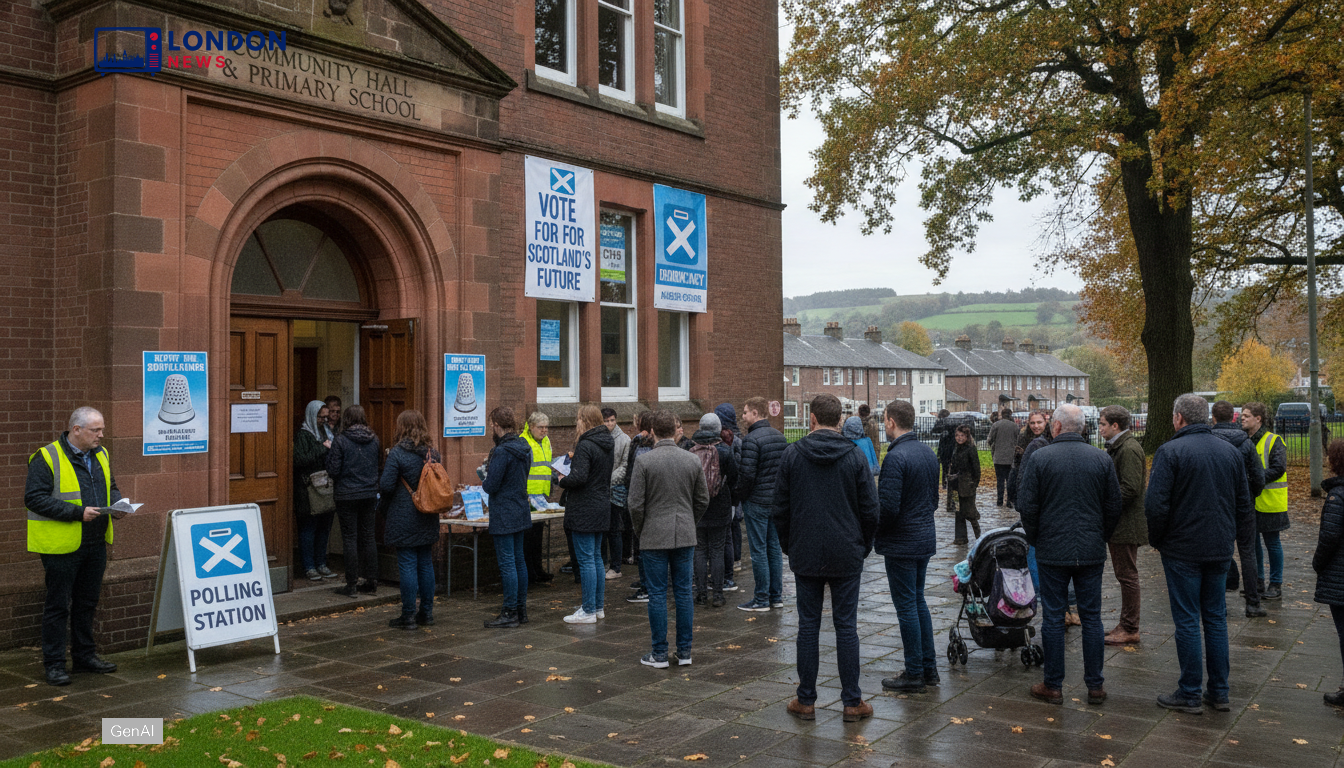
Reports indicate polls could be opening for Scotland by-elections as voters might be heading to polling stations across constituencies choosing Westminster representation. Election staff are expected to carry out routine checks of ballot papers, station logs, and accessibility support. Turnout is usually tracked by parties and observers through the day, and campaign teams could focus on reminders and practical help for voters who want it. In Aberdeen South, some voters reportedly encountered short queues that moved steadily, with staff directing people to the correct desks and assisting first-time participants. Counting arrangements are normally confirmed in advance, and party agents are typically prepared to observe the handling of doubtful ballots after polls close.
Key issues shaping voter decisions
In these Scotland by-elections, campaigners generally emphasised cost pressures, public services, and trust in national leadership rather than long-range constitutional debate, according to campaign messaging shared publicly during the final days. Attention also appeared to sharpen on local grievances such as NHS waiting times and transport reliability, as canvassers often argue that small swings can decide results. Parties also pointed to parliamentary agendas as evidence of delivery, and campaigners referenced recent procedure and committee work in their materials, and for context on legislative activity used on the doorstep, campaigners referenced MPs present Private Members’ Bills to Parliament. Discussions at community halls often focused on how quickly MPs can translate casework into action, based on what local attendees and campaigners said during events.
Candidates and campaigning on polling day
Local party offices said they were receiving enquiries about voter identification, postal ballot deadlines, and accessibility at polling places, though the volume and pattern can vary by area. Candidates typically use polling day to visit workplaces and civic groups, presenting themselves as constituency advocates able to secure responses from departments in London, according to their campaign schedules. The Scotland by-elections also encouraged independent and smaller-party hopefuls to highlight council records and charity leadership, aiming to win tactical support, as reflected in their published leaflets and social posts, and for broader by-election context, voters also compared approaches with Makerfield by-election: voters head to the polls. One cross-portal reference circulating in some political briefings was Portugal’s Renewable Energy Tug-of-War, cited as an example of how national policy debates can cut through locally.
UK political stakes and what results might signal
Party strategists have described by-election contests as an early warning system for which messages are landing and which are being rejected, particularly in marginal seats, though such assessments are inherently subjective. National leaders may try to claim momentum from any win, while analysts often caution that by-elections can be shaped by local mobilisation and protest voting rather than a clean national trend. Scotland by-elections may carry added political weight because they can influence narratives about whether parties can compete effectively across the Union and translate support into seats. The results might also affect how parties allocate staff and funding for future contests, according to party planning discussions described in general terms during the campaign, and on the UK economic backdrop that candidates have cited during campaigning, some canvassers pointed voters to BoE grapples with rates as energy hikes risk inflation.
What the outcome might mean for Scotland and Westminster
Within Scotland, the outcomes could be read as a signal about leadership credibility, campaign discipline, and the ability to hold coalitions of support together across different communities, as commentators often frame by-election results. Canvassing feedback suggested differences in priorities between some urban centres and surrounding towns, with some voters focused on public services and others on jobs and local investment, though such impressions are anecdotal. Scotland by-elections can also intensify internal party debates about candidate selection and message testing, particularly when constituencies deliver unexpected swings. Elected MPs generally face immediate expectations on constituency casework, and local councils often watch for any change in relationships with Westminster offices, including Aberdeen South constituency offices. Whatever the final tallies, the campaign commitments made during the contest are likely to be revisited by constituents in the months ahead.