Business
First class stamp hits £1.80 as costs rise fast
The UK postal rate increase that lifts first class stamps to £1.80 is reshaping household habits, business mail costs and Royal Mail service targets.

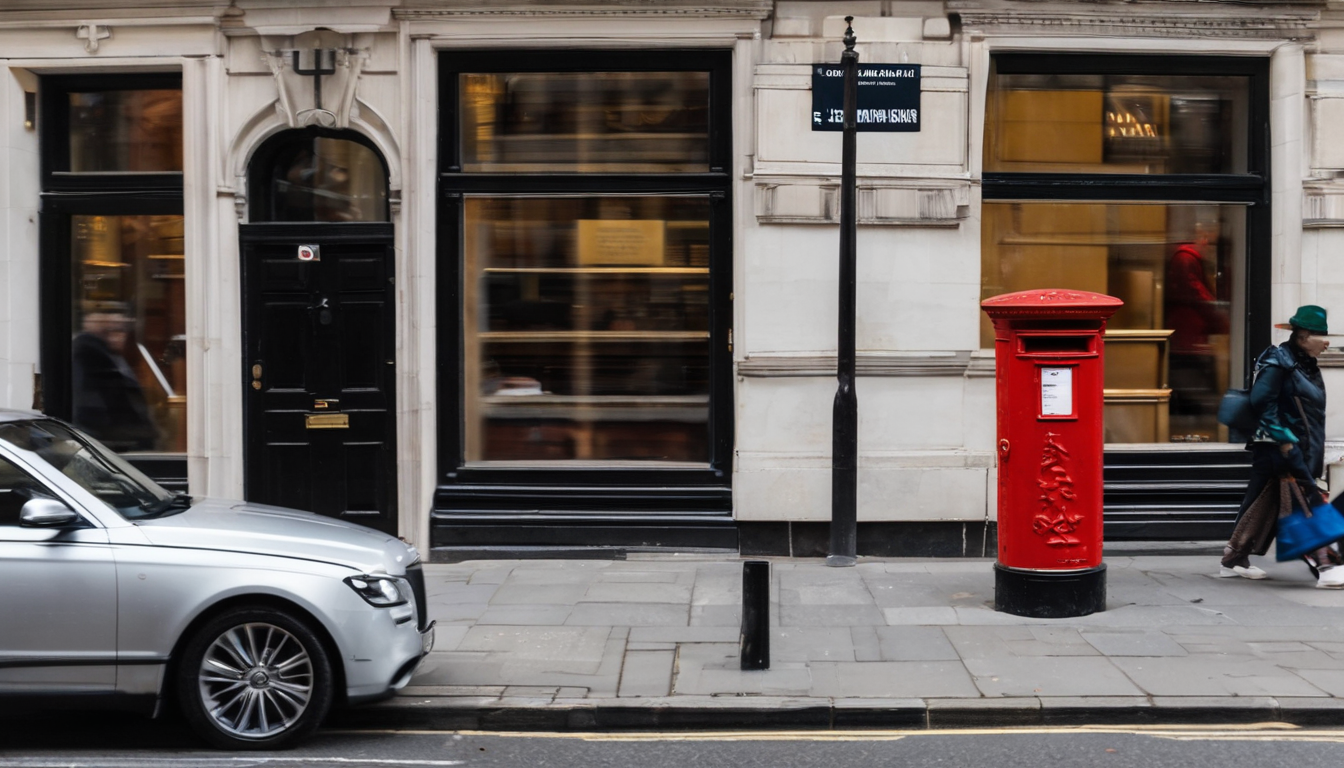
Understanding the Stamp Price Increase
Royal Mail has lifted the first class stamp price to £1.80, a step that lands immediately on households that still rely on letters for bills, legal forms and personal correspondence. The UK postal rate increase matters because it changes the break point between posting and shifting to digital channels, particularly for people without easy online access. Today the new rate is being felt most sharply in everyday transactions where a single envelope is still the fastest paper option. A Live price change also affects how quickly people buy books of stamps, with many switching to second class or bulk purchases. This Update in pricing is framed by operators as a response to higher delivery costs and the long run decline in letter volumes.
Reactions from Consumers and Businesses
Consumers have reacted to the stamp price hike by rationing non essential mail and consolidating paperwork into fewer envelopes, while small firms are revisiting invoicing cycles and customer communications. Payment reminders, appointment letters and returns labels still need post, but businesses are increasingly selective about what must go first class. In London, some retailers report higher admin time as they steer customers to email where possible, while keeping a paper trail for compliance. Today the public debate has also broadened into wider cost of living concerns, as a Live audience follows rolling headlines beyond postage. For context on how markets respond to shifting demand signals, readers tracking volatility elsewhere may note recent analysis of price pressure and buyer behaviour, even though stamps and crypto are worlds apart. This Update in spending priorities is already visible in office supply orders.
Challenges Facing the Postal Service
Royal Mail issues sit behind the pricing decision, with the operator balancing universal service expectations against the economics of a network built for far higher letter volumes. Maintaining daily delivery coverage, staffing routes and funding sorting operations has become harder as more communication moves online and parcel traffic dominates depots. The stamp price hike is also landing alongside scrutiny of service reliability, as missed delivery windows can turn a higher fee into a reputational cost. A Live operational environment leaves little slack when weather, sickness or transport disruption hits, and the business must still work towards postal service targets set by regulators. Today the core tension is that delivery obligations remain broad even as the product mix changes, pushing the operator to extract more revenue per letter. Readers can review Royal Mail product information and current pricing via Royal Mail official postage and services as the latest Update filters into post offices and online sales.
Impact on the UK Economy
The UK economy absorbs postal costs in quiet but measurable ways, especially through micro businesses, charities and local traders that still depend on paper notifications, membership mailouts and compliant record keeping. A first class increase feeds into overheads, then into pricing decisions, margins and cash flow management, particularly where customer contact is regulated or older demographics prefer letters. The UK postal rate increase can also affect regional commerce by widening the gap between firms that can switch to digital and those that cannot, including some care services and community organisations. Today the impact is less about a single stamp and more about cumulative transactions across thousands of entities. A Live shift in communication norms may accelerate, but the transition itself carries costs such as software subscriptions and staff training. This Update in operational spend sits alongside other pressures on small firms, including higher bills and uncertain demand, and can influence how quickly invoices are chased or contracts are posted.
Future Outlook for Postal Services
Future policy focus is likely to sharpen on how to sustain universal access while reflecting what people actually send, and that includes whether delivery frequency, pricing tiers or product design should evolve. Royal Mail issues will keep drawing attention to performance measures, route efficiency and the balance between letters and parcels, with regulators weighing service quality against financial viability. Today the key outcome to watch is how quickly behaviour changes after the £1.80 level becomes normal, because sustained declines in letter volumes can trigger further price adjustments. A Live environment of constant cost review also means the operator will be judged on whether higher charges translate into better reliability and clearer customer options. This Update phase will not be solved by pricing alone, as long term resilience depends on modernisation, workforce stability and transparent standards that the public can track. For industry reporting and sector commentary, Postal Hub coverage of postal industry developments provides additional context as the market adapts.