Business
Sanctioned Russian Oil Tankers Continue Crossing UK Waters Despite Boarding Threat

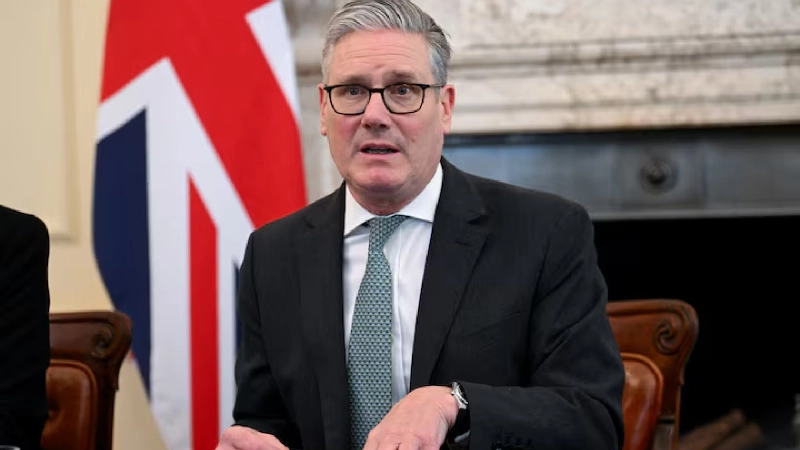
More than 25 Russian oil tankers under UK sanctions have continued to pass through British waters in recent days, raising questions about the effectiveness of enforcement measures announced by Prime Minister Keir Starmer. The vessels, linked to what is widely described as Russia’s shadow fleet, have reportedly maintained their regular routes along England’s southern coast despite warnings that the UK military could board and detain ships involved in sanctioned oil exports. The situation highlights growing challenges in policing maritime sanctions as geopolitical tensions remain elevated.
Data based on ship tracking activity shows that sanctioned vessels are still moving through the English Channel at similar levels as before the government’s announcement. The UK had signaled its intention to take a tougher stance by authorizing potential military intervention, hoping the move would deter ships from entering British waters. However, no confirmed boarding operations have been publicly reported so far, and the continued movement of these tankers suggests that the deterrent effect may be limited in the early stages of enforcement.
Experts say the lack of immediate action reflects the complexity of maritime enforcement and the legal risks involved. Boarding foreign vessels in international or transit waters is not straightforward and could expose the UK to legal challenges or escalate tensions with Russia. Analysts note that any direct intervention carries potential geopolitical consequences, including the risk of retaliation or further strain on already fragile diplomatic relations between Western nations and Moscow. As a result, authorities appear to be proceeding cautiously while assessing the broader implications.
Government officials have indicated that any enforcement action will be handled on a case by case basis, without providing detailed public updates on potential operations. The strategy appears to rely partly on signaling intent rather than immediate action, with the expectation that the threat of intervention could eventually influence shipping behavior. Some observers believe back channel communications may also be playing a role, with diplomatic pressure being applied alongside public statements to discourage continued use of British waters by sanctioned vessels.
The issue has gained urgency due to the broader economic context, particularly rising oil prices linked to the ongoing Middle East conflict. UK officials have argued that Russia could benefit financially from higher energy prices, making enforcement of oil related sanctions even more critical. The shadow fleet, made up of older tankers often operating with opaque ownership structures, has become a key tool for Russia to sustain its oil exports despite international restrictions tied to its war in Ukraine.
Other European countries have taken more direct action in recent months, with reports of vessels being boarded or detained to disrupt the network. This contrast has added pressure on the UK government to demonstrate stronger enforcement, especially after publicly committing to tougher measures. Critics argue that failing to act decisively risks undermining the credibility of sanctions, while supporters of a cautious approach emphasize the need to avoid unintended escalation in an already tense geopolitical environment.
Legal experts highlight that the UK’s authority to detain ships in transit is limited under current international law. Without a specific United Nations mandate or clearly established legal grounds, any attempt to board vessels could be challenged. Some scholars describe the legal framework as largely untested in this context, meaning that enforcement actions could set significant precedents for future maritime sanctions. This legal uncertainty remains a central factor shaping the government’s cautious approach.
As the situation develops, attention will remain on whether the UK transitions from signaling enforcement to taking direct action. The continued passage of sanctioned vessels suggests that the current strategy is still evolving, with authorities balancing legal constraints, diplomatic considerations, and economic pressures. The coming weeks are likely to determine whether stronger enforcement measures are implemented or whether the focus remains on deterrence and international coordination.