Business
UK Urges G7 Unity as Iran War Threatens Global Trade and Energy Stability

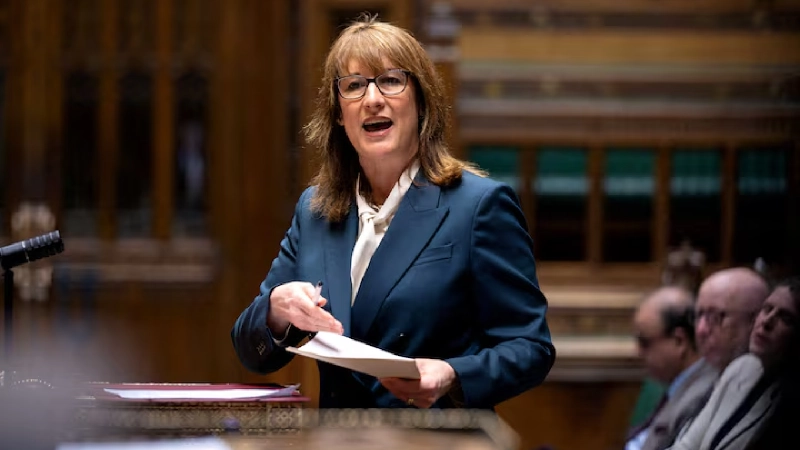
Britain’s finance minister Rachel Reeves is set to call on G7 nations to avoid unilateral trade actions during the ongoing Iran war, warning that isolated decisions could deepen global economic instability. As geopolitical tensions continue to disrupt energy markets, Reeves is expected to stress the importance of coordinated responses among major economies. The warning comes at a time when rising oil prices and supply concerns are already placing pressure on global growth, making cooperation among leading nations increasingly critical to maintaining stability in trade and energy systems.
Speaking ahead of a key gathering of G7 finance ministers, central bank governors and energy officials, Reeves will emphasize that collective decision making is essential in managing the economic fallout from the conflict. She is expected to caution that introducing new trade barriers or protectionist measures could worsen supply chain disruptions and increase costs for both businesses and consumers. The UK government believes that maintaining open trade channels is necessary to ensure the steady flow of goods and energy resources, particularly as global markets remain highly sensitive to geopolitical developments.
The Group of Seven, which includes the United States, the United Kingdom, Canada, France, Germany, Italy and Japan along with representation from the European Union, plays a central role in shaping global economic policy. In times of crisis, coordinated action among these nations is often seen as a stabilizing force. Reeves is expected to argue that fragmented approaches could shift economic pressure from one country to another, ultimately weakening the group’s collective resilience and undermining efforts to contain the broader economic impact of the war.
According to officials familiar with the discussions, Reeves will highlight the risks that protectionist policies pose to energy security. With the conflict already causing significant disruption to global energy supplies, any additional barriers could lead to further volatility in prices and availability. She is also expected to underline that collaboration is key to easing inflationary pressures over time, as coordinated policies can help stabilize markets and reduce uncertainty. The message reflects growing concern among policymakers that economic fragmentation could prolong the crisis.
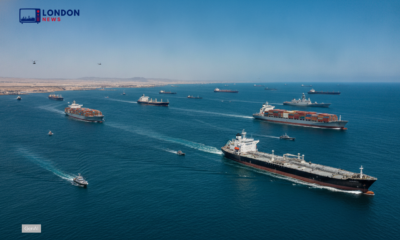
The ongoing war in Iran, which began in late February, has rapidly expanded across the Middle East and triggered one of the most significant disruptions to global energy supply chains in recent history. The conflict has pushed oil prices higher and raised fears of broader economic consequences, including increased transportation costs and rising household energy bills. Governments around the world are closely monitoring the situation, as prolonged instability could impact everything from industrial production to consumer spending patterns.
Financial markets have already shown signs of strain as investors reassess risk in light of the conflict. Currency fluctuations, commodity price swings and shifts in capital flows are becoming more pronounced as uncertainty grows. Policymakers are increasingly focused on preventing these pressures from translating into long term economic damage. Reeves’ call for unity reflects a broader effort among global leaders to maintain stability and avoid actions that could unintentionally amplify the crisis.
The G7 meeting is expected to serve as a platform for discussing coordinated strategies to manage both the immediate and long term economic implications of the war. Topics are likely to include energy supply security, inflation control and measures to support economic resilience. Reeves’ intervention signals the UK’s intention to play a leading role in shaping a unified response, emphasizing that collaboration remains the most effective path forward during a period of heightened global uncertainty.