Politics
UK support for Ukraine: Burnham rejects Russian threats
UK support for Ukraine stays firm, Andy Burnham says, rejecting Russian threats tied to British drones and urging clear aims, limits and funding in Parliament.

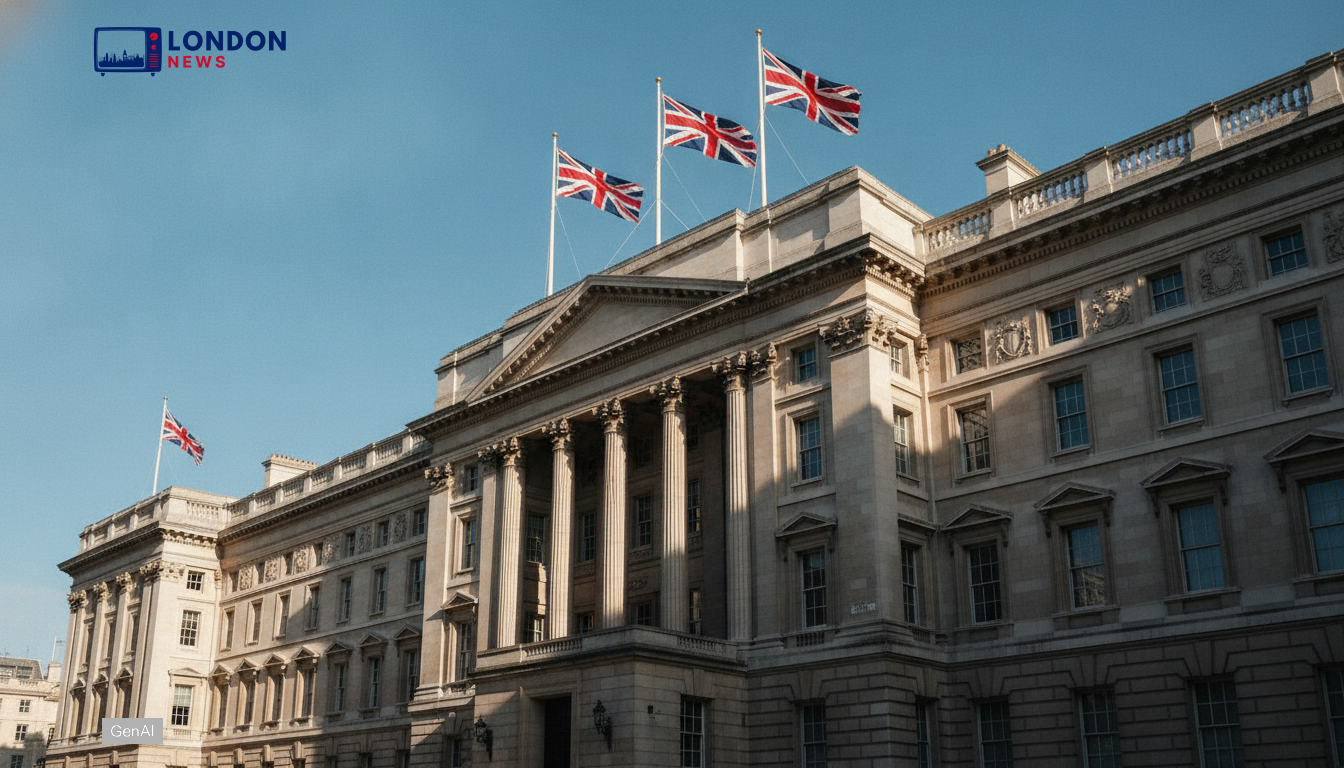
UK support for Ukraine: Burnham sets out his stance
Andy Burnham thinks UK support for Ukraine shouldn’t waver due to threats from Moscow. According to UK media, he believes UK backing shouldn’t be derailed by scare tactics. Burnham sees this as a matter of credibility and safety, suggesting that choices now affect future risks. He wants ministers to clearly explain the UK’s actions, their legality, and limitations, allowing voters to judge based on facts rather than fear.
Russia and the row over British drones
Russian officials have criticised UK involvement in Ukraine’s military efforts, with debates in Russian and UK media about British drones and training support. Burnham claims this type of messaging aims to scare voters and sow division rather than clarify policies. He suggests Parliament needs to set the debate terms. Highlighting broader Westminster issues and security discussions, including the UK Parliament petition on criminalising catapult attacks on animals, Burnham argues for clear public communication. As indicated by other reports, like recent international diplomacy coverage, the issue isn’t purely domestic.
Westminster pressure, budgets and accountability
Burnham’s comments come amid ministerial efforts to blend deterrence with restraint, according to political insiders. He criticises what’s described as performative outrage, suggesting it might undermine public trust in foreign policy. This overlaps with fiscal concerns, such as those noted in UK borrowing challenges. Any enduring commitment, he says, must align with Westminster’s budget plans, defence spending included. Burnham stresses that leadership requires transparency about trade-offs, clear goals, and public updates about UK support for Ukraine.
How UK-Ukraine ties evolved since 2022
The debate is set against Britain’s support for Kyiv since Russia’s full-scale invasion in February 2022. Burnham claims this isn’t a shift but a reaffirmation of safeguarding European order. He warns that international scrutiny matters as European capitals are observed closely to see if they maintain their positions under threat. He urges ministers to show resolve cautiously, stating that credibility is about transparency and measurable aims, not just grand statements.
What this could mean for UK foreign policy next
Burnham suggests the key question is whether Britain’s foreign policy is reactive or strategically consistent. He calls for ministers to set clear goals for aid, explaining the legal and operational boundaries of UK involvement, including decision oversight and reviews. In London and beyond, local leaders should discuss national security openly since public risk perceptions extend beyond Whitehall. The debate might shape how future UK support for Ukraine commitments are communicated, financed, and evaluated in Parliament, especially as domestic priorities vie for attention.