Business
Chancellor John Healey faces test as UK borrowing rises
Chancellor John Healey faces scrutiny after an ONS report showed UK public sector borrowing in July was higher than analysts had expected, raising questions about fiscal headroom ahead of his first Budget.

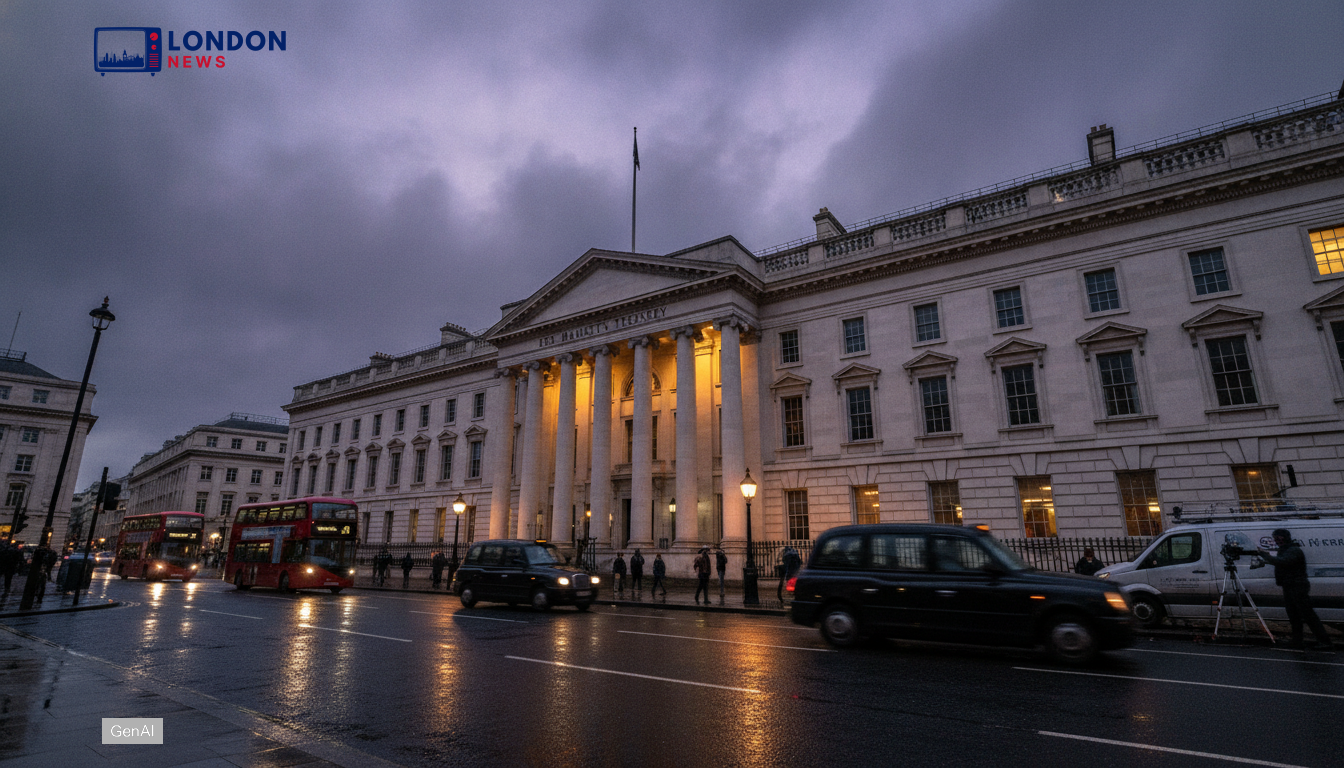
Chancellor John Healey and the July borrowing snapshot
UK public sector borrowing in July was reported as higher than analysts had expected, tightening the room available ahead of the first Budget, as indicated by reporting that cited the Office for National Statistics (ONS) monthly release. Chancellor John Healey is facing an early test after the ONS monthly public finance statistics release put borrowing back at the centre of policy debate, as ministers weigh what can be funded while still aiming to meet fiscal rules, according to available reports from the news wires. The numbers are also monitored by gilt investors and households assessing whether tax and spending plans could change, analysts have said. With the Budget timetable approaching, the July print is being treated by market participants as one data point on how hard it may be to set a credible path for debt and borrowing.
What the ONS data means for Healey’s first Budget
Inside the Treasury, departmental negotiations on costings and options are under way, according to routine pre-Budget processes described by officials and analysts in past UK fiscal cycles. Reuters reported the July outturn as above expectations, citing the ONS release, and said it added pressure on officials to explain how any new commitments would be funded; for additional context on market conditions that influence policy space, see Portugal Corporate Loan Interest Rises for Fourth Month. Chancellor John Healey is expected to base decisions on how the latest borrowing profile affects headroom under the government’s fiscal framework and how debt interest costs may evolve, as commonly assessed in fiscal planning. Within the UK debate, inflation remains a key constraint and is tracked in Chancellor John Healey tested as UK inflation jumps.
Fiscal rules, headroom and policy trade offs
Higher borrowing can raise the stakes for fiscal policies that must balance growth goals with debt targets, economists and budget-watchers often note when reacting to ONS public finance updates. The Treasury typically stress tests scenarios such as changes to tax thresholds, investment incentives and departmental settlements to see how each affects the medium-term debt path, according to standard UK budget documentation and past fiscal statements. The Office for Budget Responsibility (OBR) approach means small changes in assumptions can shift apparent headroom, particularly when debt interest spending is volatile, as the OBR has noted in its methodological explainers. In the July reporting cycle, that can translate into sharper trade-offs between near-term support and longer-run sustainability, and it increases scrutiny of whether measures are temporary or permanent.
Economists on why July borrowing matters
Economists say the key lesson from July is not a single month but whether the pressures behind the figure persist, based on how public finance analysts typically interpret ONS monthly data. The ONS breakdown often shows debt interest costs can move quickly, particularly where inflation-linked instruments and changing market rate expectations play a role, according to explanations that accompany UK public finance commentary. The Institute for Fiscal Studies has argued in briefings that this kind of volatility can reduce room for manoeuvre even when receipts are relatively steady. For example, when inflation-linked debt costs swing from one month to the next, it can make headroom look materially different in short order. For Chancellor John Healey, that means any major pre-announced pledges are likely to be judged against durable funding sources and the forecast path published alongside official fiscal events.
What comes next for the UK economy
Looking ahead, markets will watch whether borrowing momentum eases as growth firms and inflation pressures cool, or whether structural costs keep the deficit sticky, as indicated by analysts who track UK public finance trends. The Bank of England Monetary Policy Committee projections in its Monetary Policy Report will influence how investors interpret the policy mix, especially if rates stay restrictive, as reflected in the Bank’s published framework. Related pressures on household budgets are also part of the broader domestic picture, including PM unveils rough sleepers housing plan before Christmas, as analysts assessing the UK economy into 2025 focus on whether investment rebounds enough to lift trend growth, which could improve receipts without headline tax rises, according to common fiscal analysis. Chancellor John Healey is expected to set out a route that meets fiscal rules while maintaining public services, and the next ONS releases will help show whether July was an outlier or a tougher baseline.