Latest News
UK electric car sales target may be eased by ministers
UK electric car sales target may be revised as ministers weigh softer ZEV mandate compliance rules, reshaping plans for carmakers, dealers and buyers.

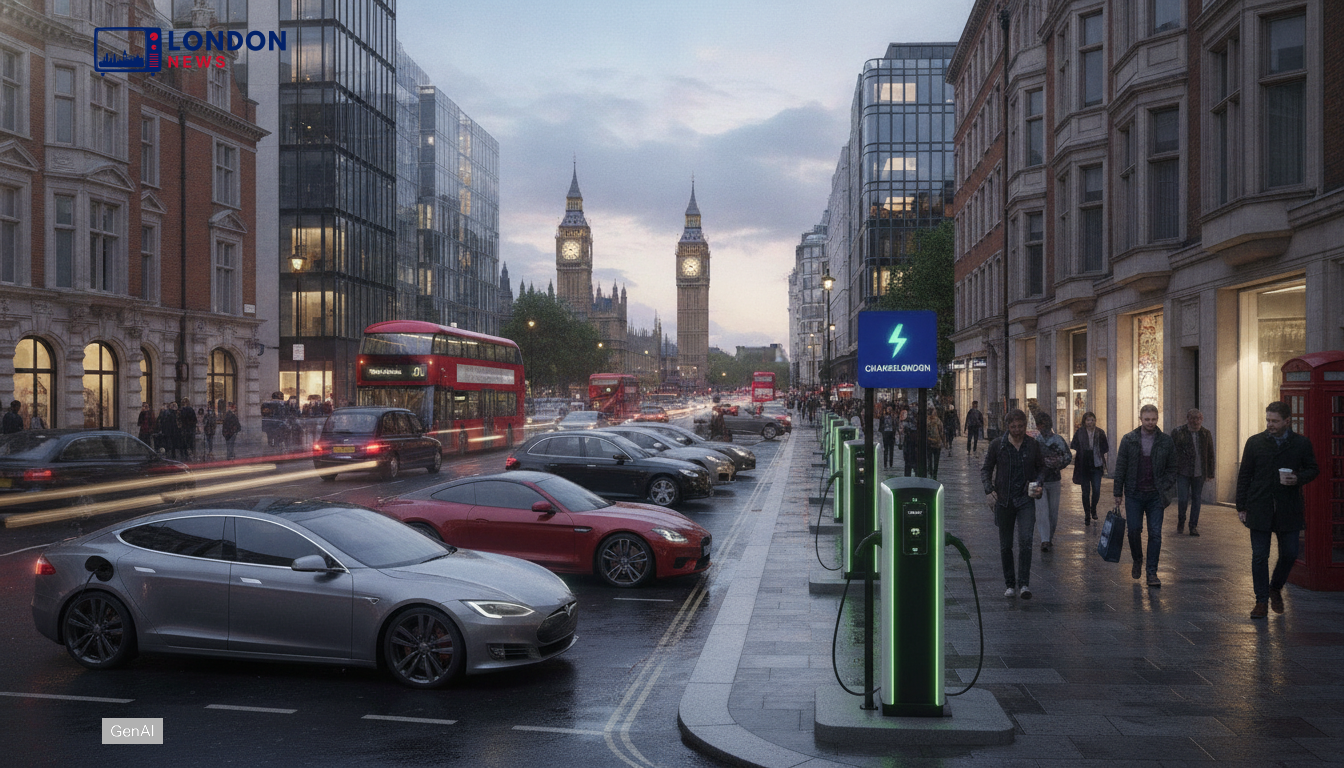
UK electric car sales target review: what is changing
The UK electric car sales target is under review as ministers consider easing how quickly manufacturers must increase battery electric registrations under the zero emission vehicle (ZEV) mandate, as indicated by reports from the Department for Transport (DfT). Reports have described discussions with industry about compliance flexibilities that would adjust how targets are calculated rather than end the policy, though no formal proposal has been published. The DfT has said it keeps the mandate under review and will engage with businesses, but it has not published revised numbers or a confirmed timetable. The debate is whether the UK electric car sales target should be recalibrated to reflect reportedly slower demand growth, discounting pressures, and model availability. Any change, if made, would likely be presented as a technical adjustment to rules and timelines rather than a shift away from electrification goals.
How the ZEV mandate links to annual EV sales requirements
Under the ZEV framework, carmakers must meet rising annual shares of zero emission sales, with credits and trading intended to smooth compliance, as set out in UK government policy documents. Stakeholders have been lobbying for changes that would reduce near-term penalties and broaden the ways firms can meet annual electric-vehicle sales requirements. The UK car industry is also watching broader reliability and servicing costs across the market, including the Ford vehicle recall notice for 250,000 stalling cars, because recalls can affect dealer margins and consumer confidence at the same time as electrification targets tighten. Charging providers argue that policy certainty is essential for long lead investments in networks, grid connections, and maintenance capacity, according to industry statements.
Industry reaction to the sales mandate discussion
Manufacturers and retailers say the mandate has influenced production planning, marketing spend, and allocation of vehicles across Europe, according to trade groups and company commentary, so uncertainty over the UK electric car sales target can disrupt ordering and stocking decisions. The political context also matters for investors assessing policy stability, alongside issues such as the Keir Starmer defence spending plan amid Cabinet shifts and wider economic expectations that shape household confidence. Reuters has reported that some firms have used incentives to help meet quotas, while smaller retailers have warned about profitability when finance deals are pushed to move inventory. Trade bodies have called for clearer enforcement guidance and earlier publication of any revisions to avoid costly retooling and supply chain changes, according to their public submissions and briefings.
Emissions goals and policy timeline behind the UK electric car sales target
Climate groups have argued that softer compliance rules could increase transport emissions and make it harder to stay within the UK’s legally binding carbon budgets, while industry bodies say the main constraint is consumer uptake and charging access, particularly outside large cities. Analysts note that consumer sentiment can swing with running cost expectations, and the BBC’s explainer on how could the US-Iran deal affect oil prices and the cost of food? illustrates how energy-price narratives can influence major purchases such as cars. The UK electric car sales target sits within a longer policy timetable that includes a planned 2035 end to sales of new purely petrol and diesel cars, with hybrids allowed under certain rules, according to UK government policy announcements. Ministers are expected to face calls for more support for home charging and faster grid upgrades, based on recurring requests from industry and consumer groups.
What the UK electric car sales target means for buyers
For motorists, any easing of the mandate could mean fewer aggressive discounts on new battery models if brands feel less pressure to hit near-term volumes, though pricing will still depend on competition and model supply. Dealers say incentives and cheaper leasing have helped some households and small businesses access electric cars, but rapid price swings can also hurt residual values for existing owners, according to retailer commentary. If the UK electric car sales target is softened, the supply of used battery vehicles could grow more slowly later in the decade because fewer new cars may enter the market in the near term. Consumer groups want clear guidance on charging reliability, pricing transparency, and warranty support as fleets age. Any revision will depend on the final details of compliance rules and whether the government pairs changes with measures that improve charging coverage and financing access.