Technology
Croydon to Refund Drivers After Court Rules Low Traffic Schemes Were Unlawful

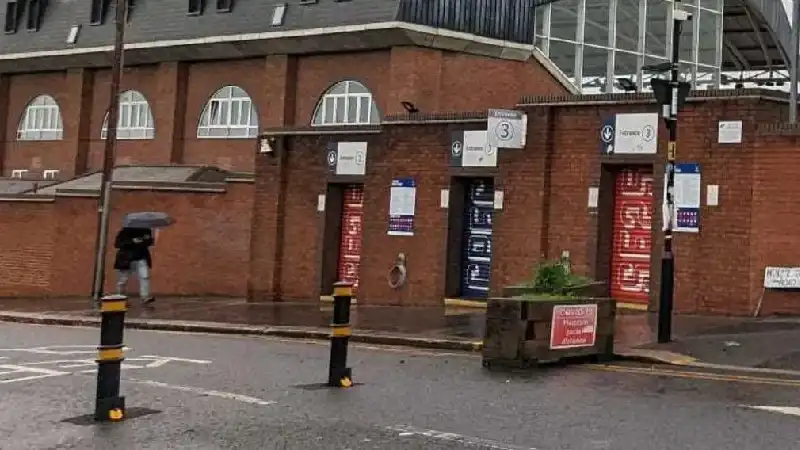
Drivers fined under Low Traffic Neighbourhood schemes in Croydon will receive refunds after a High Court ruling found the measures had been introduced unlawfully. The schemes, which restricted traffic on residential streets using barriers and road closures, were originally designed to improve air quality and road safety. However, the court determined that their implementation did not meet the required legal standards, prompting the council to scrap all six permanent schemes and begin the process of reimbursing affected motorists.
Local authorities have confirmed that efforts are now focused on ensuring drivers can reclaim fines paid under the schemes as quickly as possible. Residents whose details are already on record will be contacted directly, while others will be able to submit claims through a newly launched online system. The council has stated that it is prioritising a smooth refund process, acknowledging the financial impact on individuals who were penalised under rules that have now been deemed invalid.
The decision has also sparked a wider political debate, with differing views over how the schemes were introduced and the consequences of their removal. The current mayor has defended the move to abandon the initiatives, stating that the schemes were implemented before his administration and that he did not support them. He has also made it clear that similar measures will not be reintroduced during his tenure, reinforcing a shift in local transport policy following the court’s findings.
Opposition figures have raised concerns about the financial implications for the council, warning that refunding fines and dismantling the schemes could create significant pressure on public finances. Estimates suggest that the cost of compensation and lost revenue may run into millions of pounds, potentially affecting funding for other local services. The situation highlights the risks associated with large scale policy changes, particularly when legal challenges arise after implementation.
The controversy surrounding the schemes has also reignited discussion about the balance between environmental initiatives and public acceptance. While traffic reduction measures have been promoted in many urban areas as a way to cut emissions and improve safety, critics argue that poorly planned schemes can disrupt communities and lead to unintended consequences. The Croydon case is likely to influence how similar policies are designed and evaluated in the future.
As the refund process begins, attention will remain on how quickly residents receive compensation and how the council manages the financial fallout. The ruling has set a precedent that may encourage further scrutiny of local transport policies, particularly those involving fines and restrictions on public roads. Authorities are expected to review existing frameworks to ensure future schemes comply with legal requirements while maintaining public trust.