Business
LSEG Faces Investor Pressure as AI Strategy and Profit Margins Come Under Scrutiny

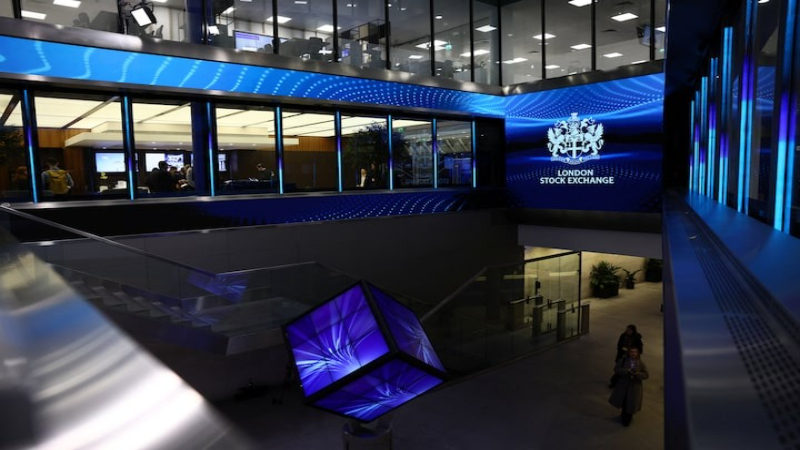
London Stock Exchange Group is heading into its annual results week under growing pressure from investors, with activist hedge fund Elliott Management pushing for sharper performance and clearer delivery on its artificial intelligence strategy. The group’s shares have fallen roughly 30 percent over the past year, raising concerns about growth, margins and long term competitiveness in a rapidly evolving data market.
Chief executive David Schwimmer, who has led LSEG since 2018, transformed the business through the 27 billion dollar acquisition of Refinitiv in 2019. That deal shifted the company from being primarily a stock exchange operator to a global financial data and analytics powerhouse. In 2022, LSEG deepened its technology ambitions with a 10 year cloud and AI partnership with Microsoft, aiming to modernise infrastructure and embed advanced analytics into its services.
Despite those strategic moves, the company’s share price has struggled compared with some global peers in the exchange and market data sector. Investor anxiety has been fuelled by questions about whether artificial intelligence could disrupt traditional data providers. Schwimmer has previously argued that LSEG’s proprietary datasets and long standing institutional relationships cannot easily be replicated by generic AI models trained on public information.
Elliott Management has recently built a position in the company and is understood to be urging management to improve operating margins and provide more transparency around the benefits of the Microsoft partnership. Market participants say the activist investor wants clearer evidence that AI integration will translate into measurable revenue growth from 2025 onwards.
Analysts expect LSEG to report adjusted pretax profit of about 3.3 billion pounds for 2025, up from 2.97 billion pounds the previous year. However, subscription growth measured through annual subscription value has plateaued in recent quarters. After a post acquisition boost driven by lower customer attrition, growth has moderated, partly reflecting industry consolidation and softer demand in certain segments.
Elliott is also believed to favour a review of LSEG’s asset portfolio. The group owns valuable businesses including FTSE Russell, its global index provider, and LCH, a major clearing house. It also holds a significant stake in electronic trading platform Tradeweb. Some investors argue that targeted asset sales or a substantial share buyback programme could unlock value and lift the share price in the near term.
Other large shareholders have expressed caution about aggressive restructuring. They warn that breaking up integrated businesses could undermine long term strategic advantages built through scale and cross selling. For them, the focus remains on disciplined cost control, margin expansion and demonstrating that AI investments enhance productivity rather than threaten the core model.
With results imminent, markets will be watching closely for updates on cost efficiency plans, capital allocation strategy and tangible progress on AI driven products. The outcome may shape not only LSEG’s valuation trajectory but also broader investor sentiment towards traditional financial data groups navigating the next phase of digital transformation.