Latest News
UK air traffic control glitches spark delays and scrutiny
UK air traffic control is under renewed scrutiny after a second technical failure triggered delays, airline criticism and fresh ministerial questions for NATS.

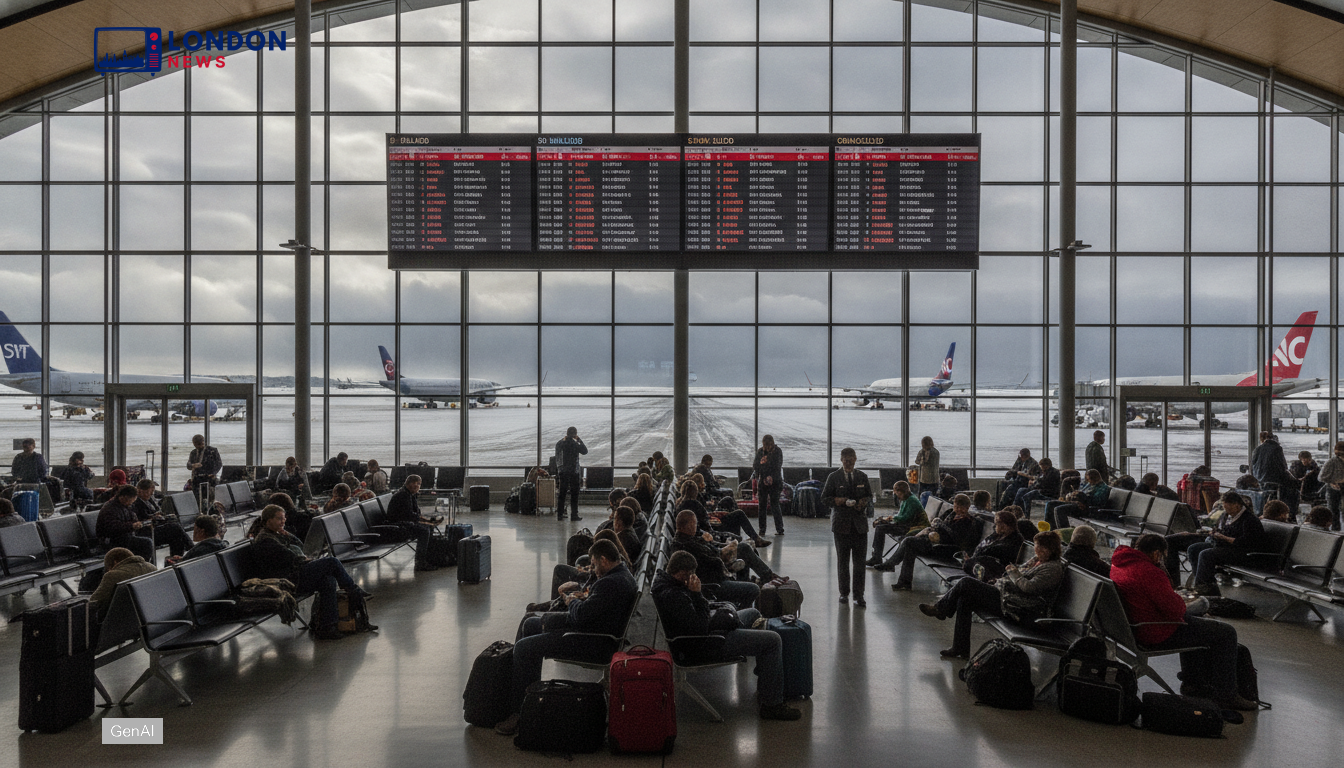
UK Air Traffic Control Disruption: What Happened
Airline woes continue as flight plans slow to a crawl due to a recent outage. This technical snag, labelled a “second failure,” threw flight planning and departures into chaos across the UK. Carriers grumble that backlogs are inevitable, warning of the cascading effects on legal duty limits and missed take-off slots. There’s a crescendo of calls for accountability and detailed explanations of what failed and what will buffer future disruptions, especially with summer travel looming large.
Airlines and Operators Respond to the Glitch
Operators are vocal about longer turnaround times and aircraft stuck in holding patterns, as delays pile up. Airlines highlight the escalating cost of rebookings and care for wayward passengers. The finger-pointing continues, with demands for a timeline on fixes and stronger contingency measures. For a broader view on how similar service failures can domino into wider issues, compare with Monetary Policy Shakes Up: Fed Hikes and Ripples Follow.
Government and NATS: Accountability and Timelines
Political heat is on NATS to shed light on recurring glitches and pinpoint enhancements before peak travel times. Officials assure us safety systems held, yet public timelines for remediation remain foggy. The clamor grows for transparent reporting that doesn’t just toot technical uptime but actually reflects passenger headaches. Dive into more pressure-filled governmental maneuvers in UK Budget 2026: Andy Burnham faces hard tests ahead.
Passenger Impact at Airports: Delays, Cancellations, Rebooking
Travellers are hit the hardest when connections go south, facing extra fees and lost time. Queues stretch as airports juggle delayed arrivals and resource constraints. The ripple effect of these disruptions can vary significantly across different times and airports. Airlines reckon this saga is less a one-off hiccup and more an unresolved headache, especially given its repetitive nature. Experience other high-pressure scenarios in UK Schools Funding: Extra £500m to Avert Strike.
Investigation Next Steps and Future Resilience Measures
There’s a clamour for NATS to unravel whether software, data feeds, or operational snafus are to blame. Pressure builds for a probe that distinguishes immediate glitches from ingrained flaws. Transparency is key, as planning hinges on understanding if these failures could recur under similar conditions. Critics argue for compensations to correspond to classifications of disruptions, highlighting that past reports haven’t delved into specifics. The onus is on regulators to test these resilience promises against real-world stress conditions and to provide timely updates—specific dates, please!