Latest News
Bus fare cap: England to cap fares at £2 from January
Bus fare cap policy begins in England from January, setting most single tickets at £2 on eligible routes, with operator reimbursements and some exclusions.

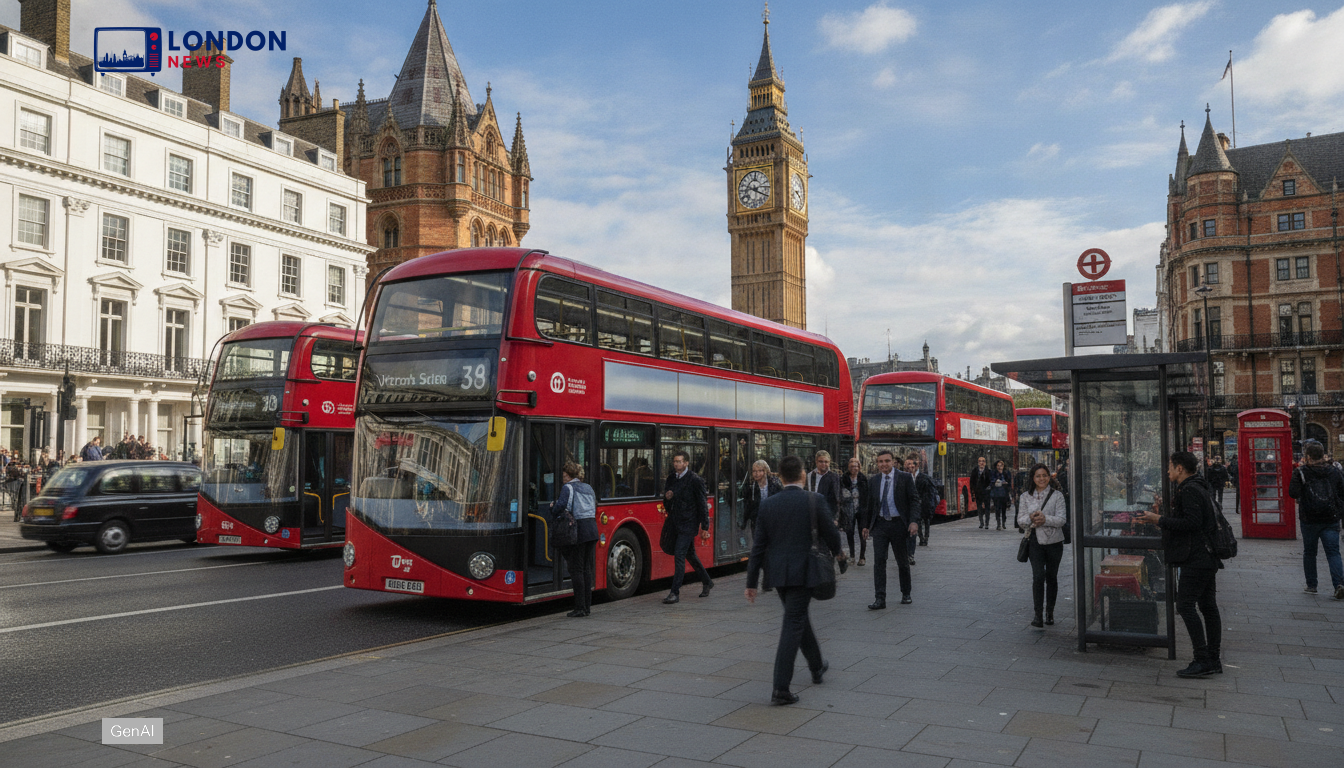
Bus fare cap: England brings in £2 single tickets
The bus fare cap is set to limit most single bus tickets in England to £2 from January, according to available reports, under a government fares scheme aimed at easing cost pressures and protecting services. Ministers have suggested the change could be applied at the point of sale using existing ticketing, with operators reimbursed for the discount. The Department for Transport has indicated that coverage will vary by operator and local agreement, meaning some services or areas might be excluded. As reported by the BBC, this measure is time limited rather than a permanent reset of fares, with the goal of keeping passenger numbers steady during a period of high household bills.
How the £2 scheme works and who might be excluded
Officials suggest the cap is designed to be simple to administer: passengers buy tickets as normal and the discount is applied automatically where the route is eligible. For the original report and details as published, see Most bus fares in England to be capped at £2 from January, while wider debates over funding trade offs in public projects are echoed in Lisbon airport environmental regulations face legal tests. Operators and local transport authorities are expected to follow scheme conditions to qualify for reimbursement, and councils may still manage local ticketing rules. Not every journey is guaranteed to fall to £2, because some routes, special services, or areas could be outside the scheme depending on local arrangements.
Cost of living aim and the government’s transport strategy
Ministers have suggested the bus fare cap as a targeted cost of living intervention while trying to stabilise public transport finances after the pandemic and encourage some drivers to switch to buses for short journeys. The Department for Transport has stressed that it is not a promise of permanently lower fares, and that future decisions will depend on ridership and the public subsidy required. The scheme also lands amid wider pressure on public budgets and essential services, and on related policy scrutiny. Readers can compare how other utilities and funding models are being debated in Thames Water nationalisation risk: lenders back golden share. The government has not confirmed how long the £2 cap will remain in place beyond the current plan.
What the bus fare cap means for commuters and communities
Passenger groups say the cap matters most on short, frequent trips where costs can add up quickly for part-time workers, students, and carers. In many towns and rural areas, buses are essential for shopping trips, medical appointments, and connections to rail stations, so even small price changes can influence whether people travel at all. For a view on how government departments are reshaping where staff work and spend, see Civil servants’ great trek north: What’s in it for them?. The cap is a ceiling for many single fares rather than a guarantee that every trip becomes cheaper, because some services may already be below £2 while others could be excluded. The policy also feeds into local debates about route reliability and control of services.
Implementation and what happens when the cap ends
Operators and transport authorities will focus on practical delivery, including updating ticket machines, displaying clear signage, and training staff so passengers are charged the correct fare. Communications will be important, particularly where routes are excluded or where local ticket products sit alongside the national scheme. Analysts will then watch what happens at the end of the scheme period: whether lower single fares produce enough extra journeys to justify continued subsidy, or whether ministers scale back support if budgets tighten. The bus fare cap may also be compared with different approaches in devolved areas, and any extension is likely to depend on take up, reimbursement costs, and local authority finances as much as on passenger sentiment.