Latest News
Thames Water nationalisation: ministers block rescue deal
Thames Water nationalisation moves closer after ministers reject a rescue deal, raising questions on bills, regulation, and investment in the UK water sector.

Thames Water nationalisation risk rises after rescue rejected
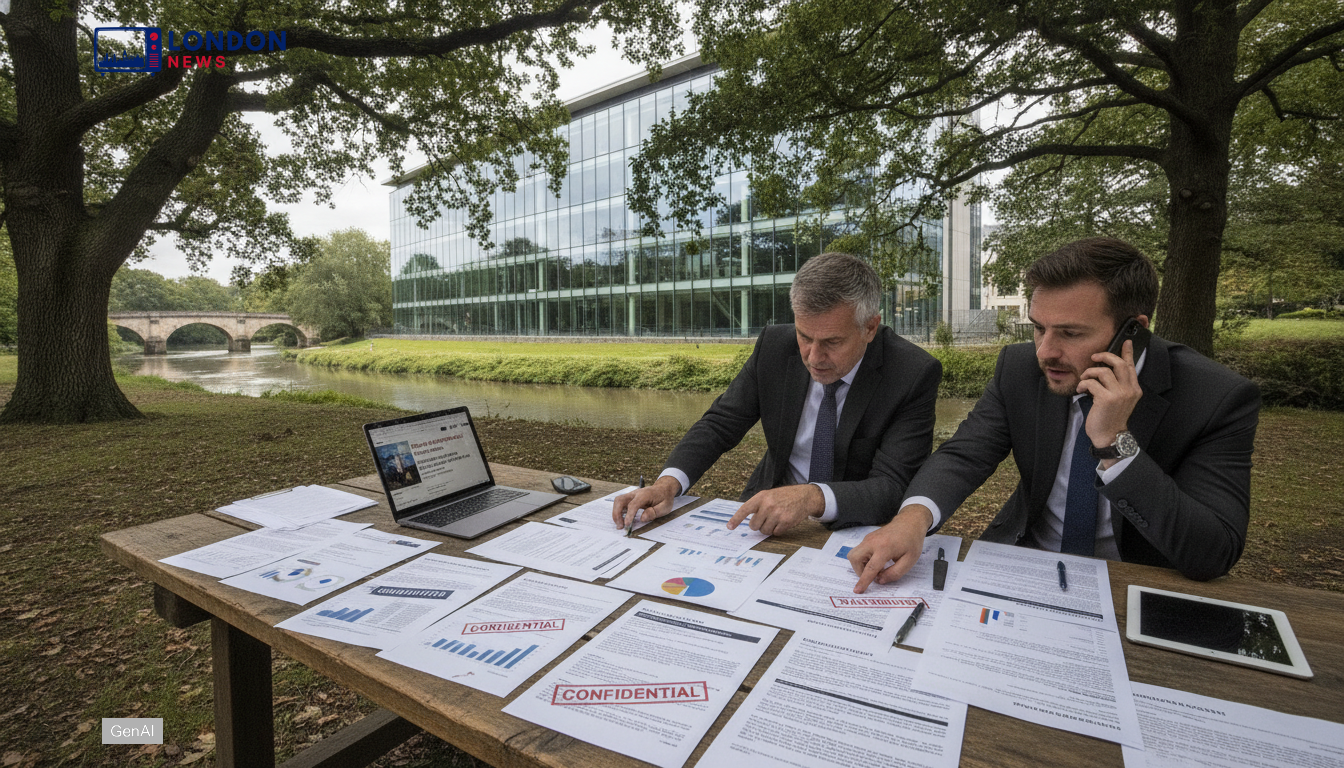
According to available reports, the idea of nationalising Thames Water inches closer as ministers throw a spanner in the works of a rescue package, igniting a fiery debate about the company’s future. In a statement to Parliament, the Department for Environment, Food and Rural Affairs expressed reluctance to back conditions placing too much risk on customers while offering flimsy operational commitments. This puts Thames Water under the gun to devise a fresh plan that aligns with government and Ofwat standards. Ofwat, the regulator, has its eye keenly trained on ensuring any refinancing proposal safeguards consumers and the environment. Meanwhile, company representatives assert they’re still huddled up with lenders and others to hash out new terms.
Why ministers and Ofwat are challenging the rescue plan
The government’s objection centres on whether the proposal offered credible improvements in service and governance, alongside fair risk sharing for customers. Officials signalled they expect stronger operational conditions, including clearer delivery commitments and accountability if performance does not improve, and Thames Water nationalisation is being weighed as an option if revised terms fail. In other sectors, intervention often follows when compliance and public interest are at stake, as seen in Ford vehicle recall notice for 250,000 stalling cars. The regulator has repeatedly said any solution must protect customers and the environment, while ensuring essential services continue. For Thames Water, the next steps are likely to hinge on whether a revised refinancing package can meet these standards without transferring excessive costs into future bills.
What Thames Water nationalisation could mean for bills
For households and small businesses, the immediate concern is whether decisions prevent sudden bill shocks while keeping treatment works and supply operating reliably. Ofwat has said customer interests must sit at the centre of any restructuring, including limits on how costs can be recovered through future price allowances. Policy shifts can also reshape consumer rules quickly, as highlighted by What UK social media ban means for gaming and YouTube. Thames Water nationalisation is not a bill cut by default, but it can change who carries financing risk and how quickly investment decisions are made. Consumer groups said transparency on service standards and funding assumptions must be part of any outcome.
Environmental standards and enforcement remain central
Environmental scrutiny has intensified because any rescue plan is being judged against real world performance, not just balance sheet mechanics. The Environment Agency has repeatedly said companies must meet permit conditions and deliver investment that reduces pollution incidents and improves river health, and Thames Water nationalisation would not remove these obligations. Regulators have stressed that governance and operational controls must be strengthened alongside any financial fix, particularly where sewage and storm overflow performance is under public pressure. Ministers are likely to demand clearer, measurable delivery milestones, including publication of performance updates. Campaigners said enforcement outcomes should be publicly trackable so customers can see whether service and environmental performance improve.
Routes to special administration and the wider industry impact
If the company cannot secure terms acceptable to government and regulators, the practical mechanism could be a temporary special administration under the Water Industry Act, overseen by the courts. Thames Water nationalisation would likely place day to day operations under an administrator while funding arrangements are stabilised, with Ofwat continuing to set performance expectations and monitor delivery. The dispute is also a stress test for the UK water industry model, and it may influence how investors price political and regulatory risk, similar to debates seen in UK electric car sales target may be eased by ministers. The stated objective in such cases is to maintain services while a longer term solution is found, which may include a sale or a return to private ownership.