News
William to Sell Duchy Land for Homes and Nature
Prince William duchy sale will shift 20% of Duchy of Cornwall assets into housing and nature conservation, with communities awaiting timelines and funding.

Prince William’s Plan for the Duchy Sale
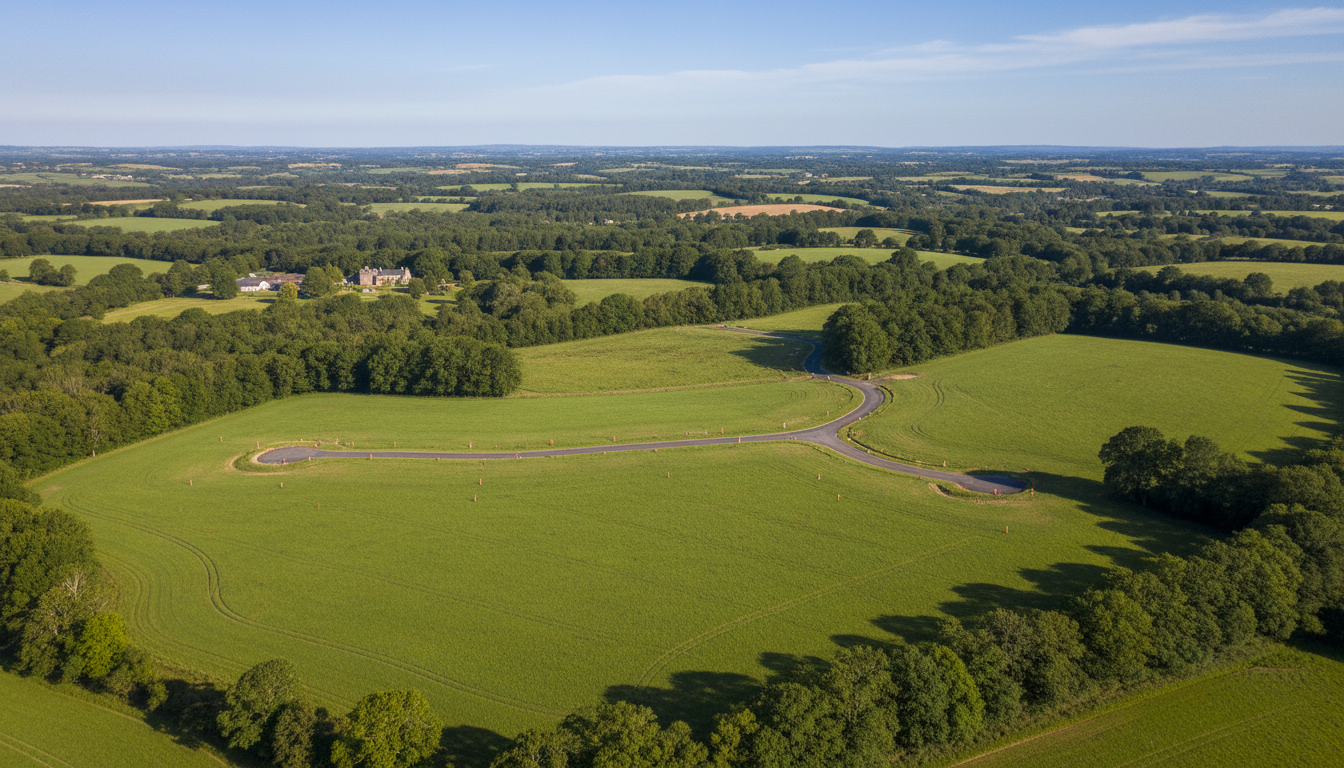
Officials supporting the Duchy of Cornwall moved Today to outline the next steps for a partial disposal of land and property intended to unlock new development capacity. In briefings carried by the BBC, the Prince William duchy sale focus is on selling about a fifth of holdings while retaining long term income and stewardship responsibilities. The Prince William duchy sale is being framed as a targeted reshaping rather than a fire sale, with managers asked to prioritise sites that can move quickly through planning. Live interest from housing associations and conservation buyers is already being assessed through standard market processes. An initial Update on eligible plots is expected once valuation work and local authority consultations are complete.
Impact on Housing and Nature Projects
The biggest immediate question Today is how receipts will be directed between housing projects and environmental outcomes, and what delivery partners will be chosen. The BBC report on the plan details the intended split between homes and nature conservation, linking the decision to a drive for measurable public benefit and place based investment; for readers following wider policy debates, a separate context link sits here: Trump Xi talks end with few deals confirmed so far. Live monitoring will track whether new homes are genuinely additional or simply replace other schemes, and an Update is anticipated when agreements specify affordability, tenure, and biodiversity conditions. Any project claims will need clear reporting lines to avoid confusion across regions.
A Closer Look at the Duchy of Cornwall
Administration teams noted Today that the Duchy of Cornwall operates as a longstanding estate with a wide portfolio, which means disposal decisions have to account for farming tenancies, heritage constraints, and commercial leases. The BBC coverage sets out the current initiative and provides the clearest public baseline so far, via BBC report on the Duchy sale plan, while the Prince William duchy sale is being managed through conventional property routes, including valuation, site due diligence, and buyer screening, rather than bespoke grants. Live scrutiny will focus on governance because estate decisions can affect local supply chains and land management practices. A further Update should clarify how proceeds are ringfenced and audited.
Community Reactions and Expectations
Local leaders said Today that community confidence will depend on transparent sequencing, because planning risk and infrastructure capacity can derail otherwise viable sites. Some councils have pointed to existing local plans as the proper channel for allocating land, while residents groups are watching for commitments on design standards and access to green space; for comparison with other UK accountability stories, readers have followed coverage such as British Gas backlash grows after £20m meter scandal and are applying similar expectations about disclosure. Live engagement sessions are expected to test whether transport, schools, and drainage are addressed alongside nature conservation. The Prince William duchy sale will be judged locally on outcomes rather than announcements, and an Update on consultation feedback should be published after the first rounds of meetings.
Future Prospects for the Royal Initiative
Programme managers said Today that the practical test is delivery pace: transactions must complete, plans must secure consent, and partners must build or restore habitats on schedule. Because land markets can shift quickly, Live oversight will likely concentrate on how the estate avoids selling at discounts while still meeting public interest aims, and the Prince William duchy sale also creates a template for how royal linked assets can respond to policy pressure without substituting for government funding. Early success will be measured by signed agreements that specify affordability, tenure mix, and measurable nature conservation outcomes. An Update that includes timelines and a short list of priority locations would help reduce uncertainty for councils, developers, and conservation bodies working around the chosen sites.