News
RMT cancels London Tube strikes, talks continue
RMT Tube strikes were cancelled after renewed talks, easing pressure on the London Underground as TfL sets a new timetable for negotiations.

RMT Union Pulls Back from Strike Action
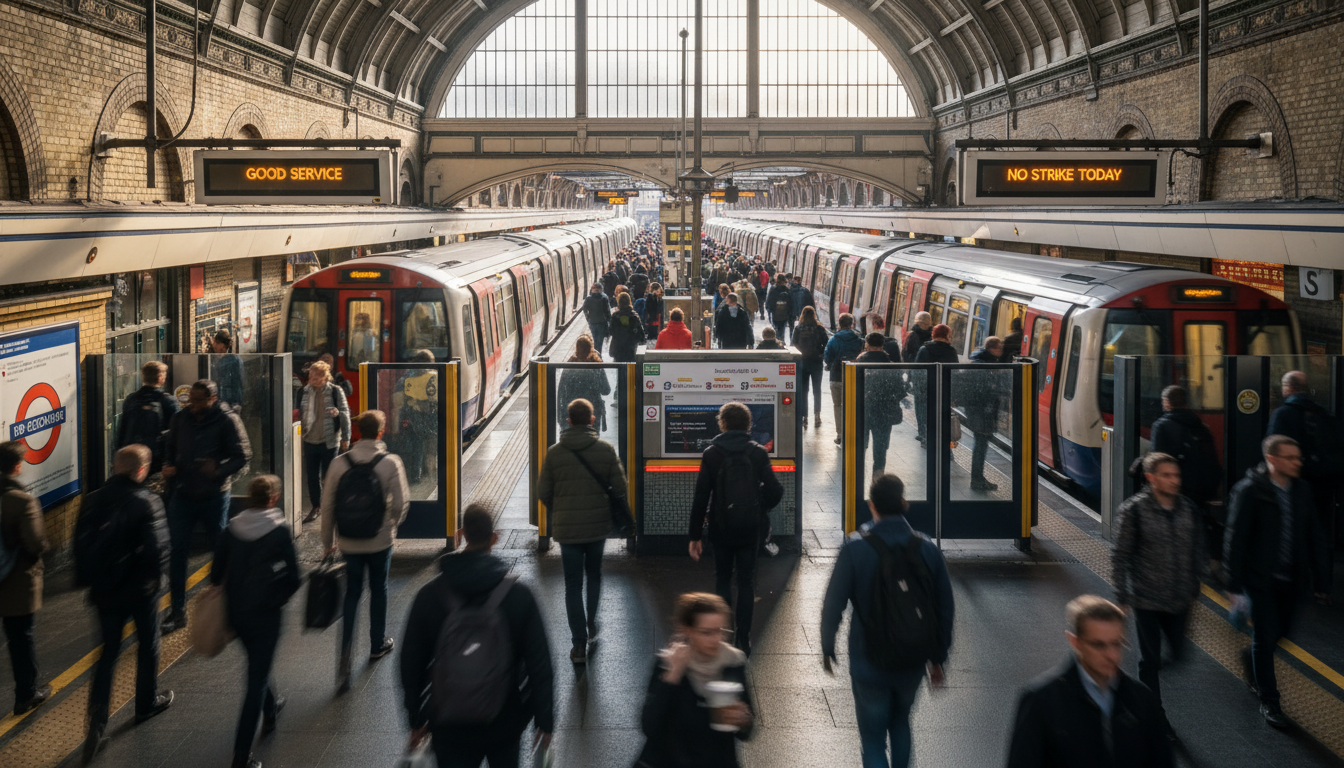
The RMT confirmed that the planned walkouts on the London Underground have been cancelled, shifting the dispute back into negotiations. A union spokesperson said the decision followed fresh engagement with Transport for London and a commitment to keep discussions going, and the focus turned to whether RMT Tube strikes could be avoided longer term as talks moved onto pay, rosters and staffing levels. In the middle of the day, Live operational planning teams across the network were told to stand down contingency measures that had been prepared for disruption. An Update on the next meetings was expected to be circulated internally to reps as the union set out what it wanted in writing. The cancellation changes immediate travel expectations across the capital.
Impact on London Commuters
Today commuters were told to expect normal services, although TfL advised passengers to keep checking journey planners in case late changes ripple through shift patterns. A Live passenger information notice highlighted that station staffing and train frequency should run as scheduled, and for context on how other security and enforcement actions can affect transport conditions, readers also followed NYC crushes illegal motorbikes in crime push as an example of policy choices shaping daily travel. Any delays were to be treated as routine incidents rather than industrial disruption. In a separate Update, the BBC noted broader pressures on the UK economy that can feed into public sector bargaining in its analysis of UK growth forecast upgraded by IMF but risks remain. The strike cancellation eased immediate crowding risks at interchanges.
Reactions from Transport for London
Transport for London said it welcomed the decision to call off action and would continue talks with the transport union to reach a settlement. TfL added that keeping services reliable remains central to supporting Londoners travelling Today for work, education and appointments, and in the middle of its statement it referenced RMT Tube strikes as the issue it wants resolved through formal procedures rather than walkouts. TfL said its priority was avoiding repeat disruption. A Live briefing to operational leaders focused on restoring normal planning assumptions, including driver diagrams and maintenance access windows. TfL said it would provide an Update through its customer channels as discussions progress, and it urged passengers to use official travel tools for accurate information. The authority did not disclose detailed negotiating positions.
Future of RMT-London Transport Relations
The cancellation does not end the dispute, but it signals that both sides are testing whether structured bargaining can replace brinkmanship. RMT representatives have framed the latest move as conditional, and London readers have tracked British Gas backlash grows after £20m meter scandal for comparison on how corporate and public facing organisations manage labour and consumer pressure and how reputational risk shapes responses. Further decisions are tied to what is put on the table in writing by TfL. In the middle phase of negotiations, RMT Tube strikes remain the pressure point, yet union officials said they prefer binding commitments on staffing and duty patterns over short term promises. Today the message from both camps is to keep talks continuous. Live monitoring by union branches will continue as each Update lands.
What This Means for the Capital’s Economy
By removing the immediate threat of shutdowns, the strike cancellation reduces the risk of lost hours for hospitality, retail and office activity that depends on reliable commuting. TfL has previously argued that maintaining services supports fare income and wider productivity, and business groups often echo that link when disruption looms. In the middle of the economic picture, London Underground stability affects supply chains for central London venues and the ability of employers to run full staffing on peak days, including in the West End. Today firms that had prepared remote working contingencies can revert to normal schedules, which tends to improve footfall and incidental spending. Live travel conditions also affect tourism flows, especially for attractions relying on fast cross city journeys. An Update on negotiations will matter because renewed threats could quickly reprice risk for bookings and staffing.