Latest News
Andrew Tate Sought Legal Guarantee From CPS He Would Not Be Arrested If He Returned to UK Court Hears

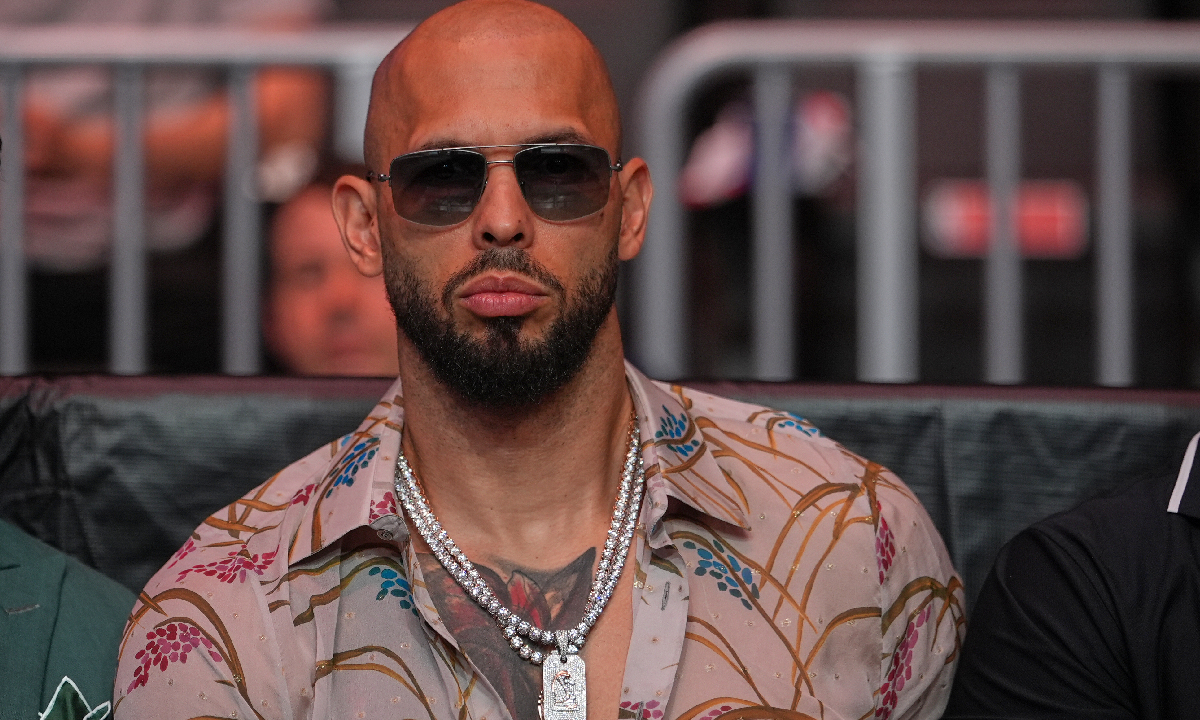
Andrew Tate attempted to secure written assurances from the Crown Prosecution Service that he would not be arrested if he returned to the United Kingdom to participate in a civil case where he is accused of rape, a court has been told during a preliminary hearing. The disclosure adds another layer of legal complexity to an already high profile set of proceedings involving the influencer and his brother Tristan Tate, both of whom are facing multiple serious allegations and ongoing investigations across several jurisdictions.
The court heard that Tate’s legal representatives made the request last year while preparing for his involvement in a civil case brought by four women who allege rape and other forms of sexual misconduct. The request effectively sought confirmation that if Tate returned to the UK to give evidence, he would not be detained on arrival due to existing criminal allegations and warrants connected to separate proceedings. The Crown Prosecution Service declined to provide such assurances, maintaining its position that there was no basis to alter existing legal measures.
According to a witness statement submitted to the High Court by a lawyer representing the alleged victims, the CPS made clear that it would not seek to withdraw warrants simply to facilitate Tate’s travel for civil litigation purposes. The statement quoted the prosecution service as saying there was no justification for removing legal safeguards that would allow the defendants to return without the risk of arrest. This response effectively confirmed that any return to the UK by Tate could expose him to immediate detention in connection with ongoing criminal matters.
Andrew Tate, a self styled influencer and self described misogynist who has built a large online following, has been charged with a range of offences including rape and sexual assault, alongside other allegations connected to separate investigations. His brother Tristan Tate is also charged alongside him. Both men have consistently denied wrongdoing in relation to all allegations. The legal proceedings in the UK are running in parallel with other investigations in different jurisdictions, adding to the scale and complexity of the cases they face.
The latest court disclosure highlights the intersection between civil litigation and criminal law, particularly in cases involving high profile defendants with outstanding charges. Legal experts note that requests for assurances against arrest are highly unusual, especially where active warrants exist, and prosecuting authorities are typically reluctant to interfere with established enforcement processes. The decision by the CPS to reject the request reinforces the principle that civil proceedings do not override ongoing criminal obligations.
As the civil case progresses, attention is expected to remain focused on whether the accused will be required to give evidence in person or whether alternative arrangements will be made. The broader legal situation surrounding the Tate brothers continues to develop, with multiple proceedings still underway and further hearings anticipated in both civil and criminal courts.