Latest News
Major Rail Disruption Hits Southern England Routes
Major delays are expected as national rail southern england disruption continues to end of day, with route changes, cancellations and crowding for commuters.

Details on the Rail Disruption
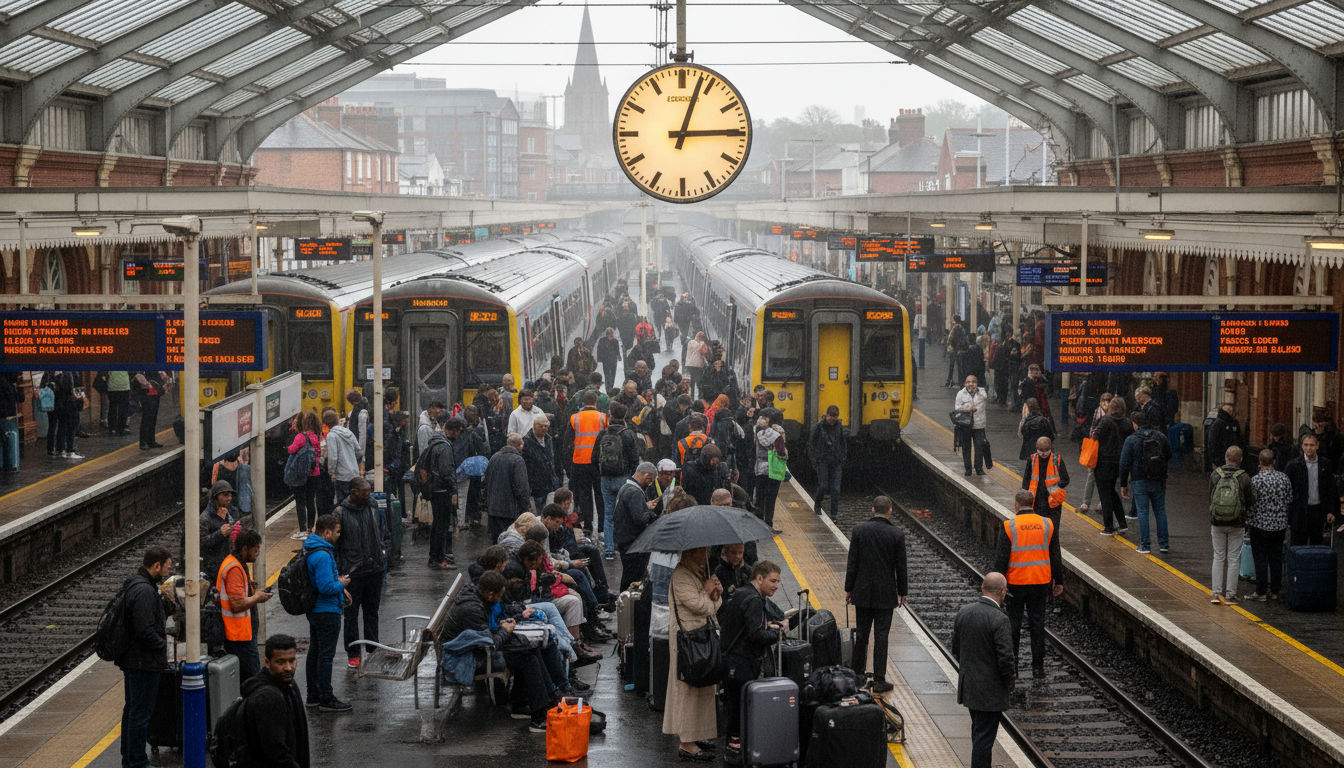
Services across several southern England corridors are running with heavy delays and cancellations, with operators warning that disruption will likely last through the end of the day. In a Live notice, National Rail said the issue is affecting planned timetables and station crowding on multiple routes, and it advised passengers to check their journey before leaving. The notice described national rail southern england disruption as ongoing, with late-running trains and some short-notice platform changes. An Update issued via the National Rail service status page stated that amended services may remain in place until close of service, and that knock-on delays are expected as stock and crews are repositioned.
Impact on Commuters and Travelers
Commuters heading into London and travellers connecting to regional services have faced longer waits, missed connections, and busier platforms during peak periods Today. National Rail cautioned in a Live service message that crowding can build quickly when trains are cancelled, and urged passengers to allow extra time and be ready for last-minute alterations. For readers tracking wider travel friction, the separate travel policy story Portugal, Italy Keep Digital Checks for UK Travellers shows how disruption can compound when rail delays meet tight check-in windows. The berkhamsted rail disruption has been cited by passengers online as particularly difficult for those commuting, though operators have directed people to official channels for verified running information.
National Rail’s Response to the Issue
National Rail has focused its public response on service-status messaging and directing passengers to operator-specific channels for the most precise routing and ticket acceptance rules. For broader context on transport and political pressure, coverage on the BBC, including Starmer under pressure as Labour suffers heavy election losses, has highlighted how infrastructure performance quickly becomes a public issue when commuters are hit. A Live banner on its website has pointed customers to real-time departure boards and has reiterated that staff may need to regulate access to platforms for safety when crowding spikes. National Rail also posted an Update stating that contingency timetables can change as the situation stabilises and crews become available.
Potential Long-term Effects on Travel
Even when the immediate fault is cleared, operators often need hours to recover rolling stock diagrams and crew schedules, which can prolong national rail travel disruption into later services. Readers following policy and public services may also be watching how pressure campaigns develop elsewhere, such as UK Supreme Court Backs Government in Legacy Case, as reliability issues can feed into wider debates about investment and accountability. National Rail has warned that late positioning moves can keep trains out of place, meaning some departures may start short or run non-stop to regain time. In the middle of the afternoon, national rail southern england disruption remained a key factor in advising passengers on whether to travel, with station teams managing information screens and announcements. Another Update is expected when operators confirm final service levels.
Advice for Affected Passengers
Passengers affected should check departure boards immediately before travelling, because platform allocations and stopping patterns can change quickly during disruption Today. National Rail has advised travellers to rely on Live running information, listen for station announcements, and keep connections flexible where possible, particularly when the last trains of the night approach. People making time-critical trips should look for operator guidance on ticket acceptance, and avoid boarding the first arriving train if it is already dangerously crowded. Some commuters have described the knock-on effects as a national rail disruption that is hardest on short-distance journeys where alternatives are limited, including around Berkhamsted during the afternoon peak. Keep receipts if you incur extra costs, and follow the operator claims process after the incident, as compensation rules depend on the train company and ticket type.