Latest News
GWR set for renationalisation as takeover nears
GWR renationalisation is expected within months as ministers prepare a transfer to public ownership, with commuters watching service plans and costs.

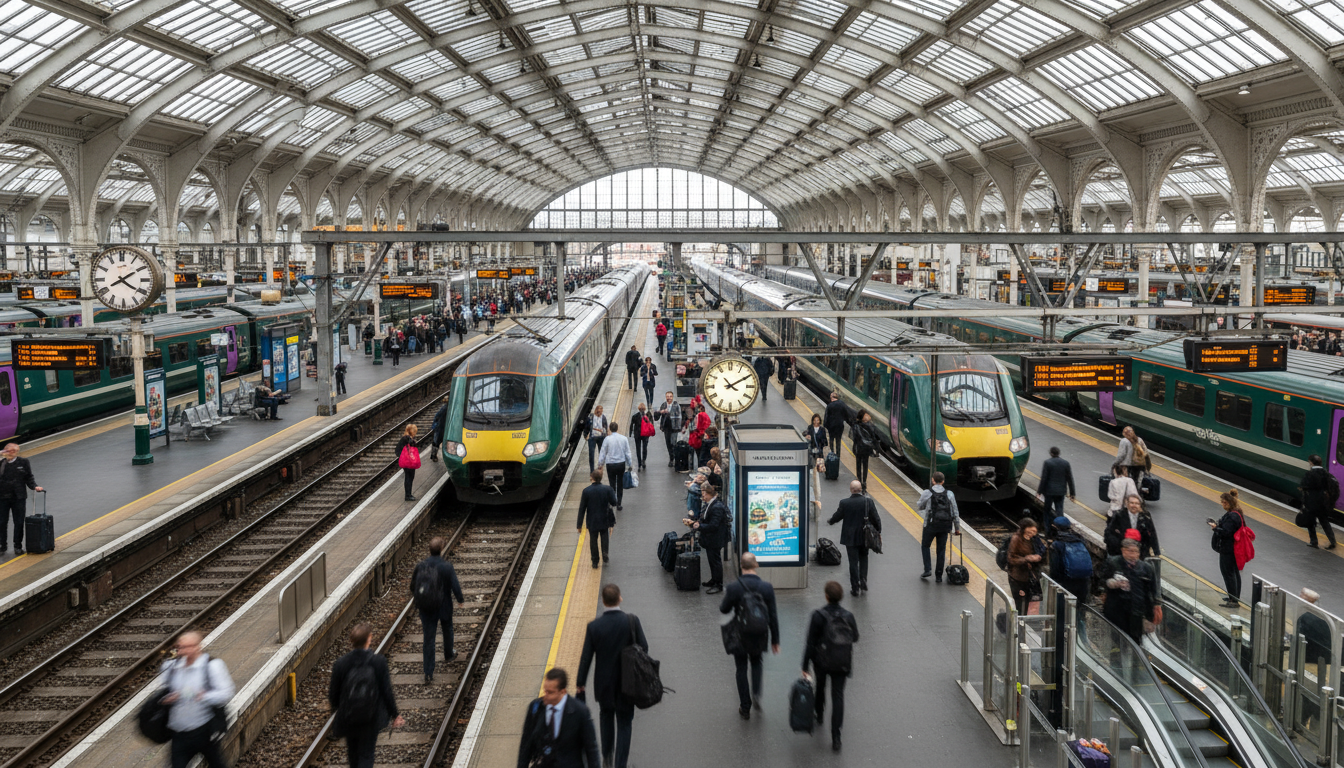
Government Set to Reclaim GWR
Ministers are preparing to bring Great Western Railway back under state direction within months as its current operating contract approaches its end. Officials briefed on the timetable said the handover would follow the established process of transferring a train operator to the public sector once contractual milestones are reached. Today, the Department for Transport has not published a precise date, but it has confirmed in past policy statements that services can move into public ownership at contract break points. In practice, the franchise would be placed under a public operator of last resort in a move described as GWR renationalisation, with railway management decisions shifting closer to government control. A Live transition plan is expected to focus on continuity for passengers and staff.
Impacts on Commuters and Services
For commuters, the immediate question is whether timetables, staffing levels, and disruption handling change on day one of the takeover. An Update issued by industry bodies has often stressed that day to day services should continue during operator transfers, because rolling stock leases and access agreements remain in place. For context on how political pressures are shaping transport decisions, see BBC analysis on Labour MPs blaming leadership after election losses here. The Department for Transport is expected to keep fare structures aligned with national policy, rather than introduce a separate GWR regime. Today, passenger groups will be watching performance metrics, especially punctuality and cancellations, to see whether government control changes incentives quickly.
History of Railway Renationalisation
The move follows a pattern already used when contracts expire or fail, with operations switching to state ownership without changing the underlying network structure. In recent years, the Department for Transport has used the operator of last resort model to keep trains running while a longer term railway management approach is developed. A Live example of how public bodies frame continuity during institutional change can be seen in broader policy coverage such as Trump’s July 4 Deadline Stirs the EU Trade Deal Pot here, where deadlines drive administrative handovers. In the rail case, the shift is about who holds the operating contract, not ownership of tracks, which remain under Network Rail. Update communications are likely to stress stability for onboard staff and depot operations.
Political Reactions and Statements
Political reaction has been shaped by wider electoral turbulence and arguments over the scope of public ownership. In Parliament, ministers have previously said that public operation can be used to protect passengers when a train operator contract ends, while critics argue it can reduce competitive pressure. A related political context has been covered by Labour Faces Welsh Senedd Defeat After 100 Years here, which has intensified scrutiny of delivery in public services. Today, opposition figures are demanding clarity on whether government control will bring measurable improvements or simply rebrand accountability. Live briefings from transport spokespersons are expected to focus on workforce protections and service reliability, while an Update on costs will likely be requested by select committees.
Future of UK Train Operations Post-Takeover
What comes next is less about symbolism and more about how the state manages incentives for punctuality, investment, and customer service once the contract is held centrally. The Department for Transport has said in previous rail reform documents that it wants clearer lines of responsibility between operators and infrastructure, and the transfer provides a test case for that approach in a major intercity region, including routes between London Paddington and Bristol. Today, the practical benchmark will be whether passenger information improves during disruption and whether maintenance planning reduces short notice cancellations. A Live operating environment also depends on how Network Rail coordinates engineering possessions with service needs. Another Update is expected to address how performance targets and penalties will work when the same public sector ultimately carries the financial risk.