Business
WHSmith high street exits as up to 150 close
Tracking the whsmith store closures list as up to 150 former high street branches shut, with impacts on jobs, landlords and UK retail industry shifts.

WHSmith’s Legacy on the High Street
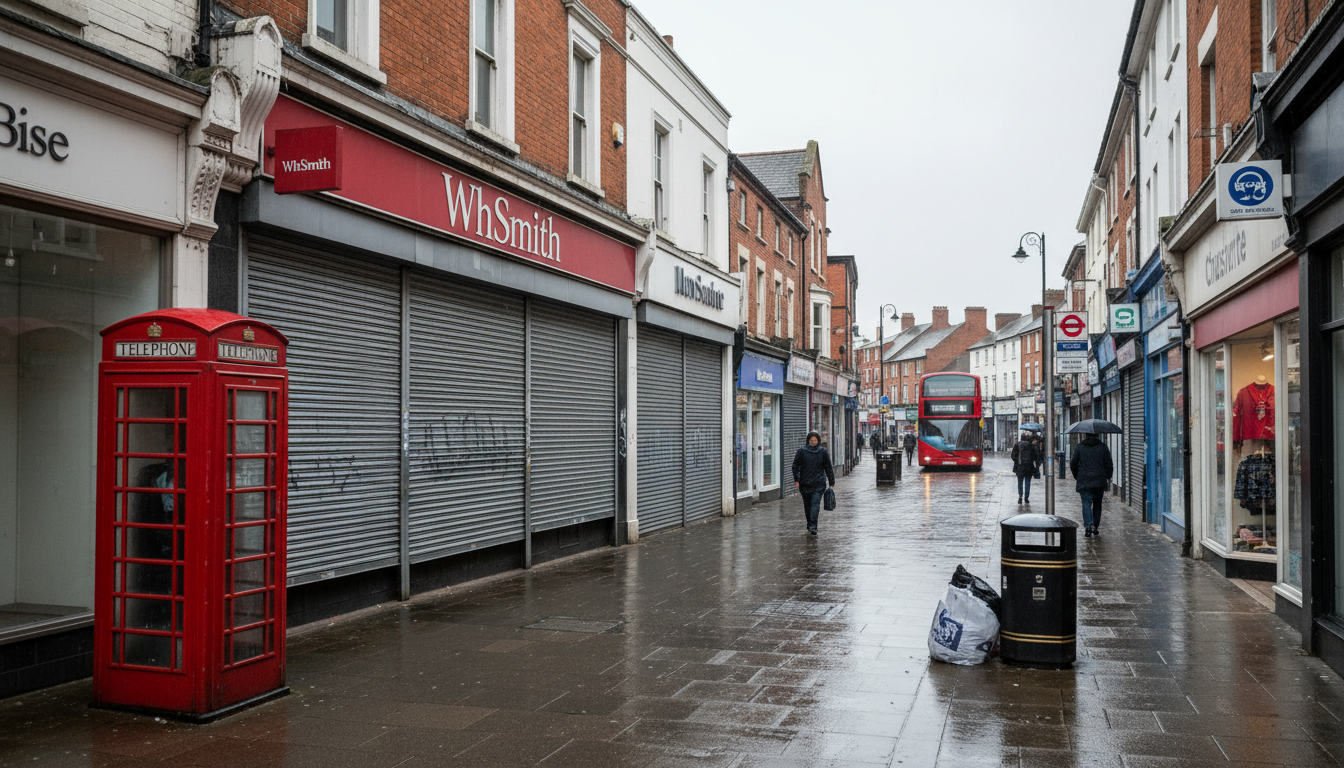
WHSmith signage is still being taken down in town centres, and Today the chain’s retreat is being treated as a marker of changing shopping habits. The immediate issue is what replaces familiar units that once sold stationery, books and travel essentials in daily footfall corridors. In many locations, landlords are already discussing short leases and pop up terms to keep streets from looking hollow. Editors tracking the whsmith store closures list are watching how quickly new tenants can secure planning, stock and staff. Live reactions from local traders have focused on whether nearby independents gain custom or lose it to online competition. Councils want clear timelines from owners to minimise disruption.
Reasons Behind the Store Closures
The decision to close former WHSmith high street branches follows a deal that separates those outlets from the wider group’s travel focused estate, and Update statements have highlighted the sharper economics of stations and airports. The BBC has covered how retail footfall is shifting with transport hubs, and that context matters when high streets face weaker weekday trade. Live retail pricing pressure is also rising, and shoppers increasingly compare prices on phones before buying. An unrelated market signal came from UK price pressures and surcharges, which shows how consumers are being squeezed across categories. Today, the UK retail industry is shaped by rent reviews, energy bills and staffing costs that hit slower locations hardest.
Impact on Local Communities and Retail
For communities, the closures land as a practical loss of a central service point, especially where WHSmith was the easiest place to pick up school supplies or last minute essentials. Today, business groups are asking landlords for transparent schedules so staff and neighbouring shops can plan promotions around any gaps in footfall. A Live environment on some high streets means vacancies can trigger shorter opening hours elsewhere, because fewer customers walk past. Readers searching the whsmith store closures list often want to know whether their branch will be replaced by another retailer or a non retail use. In parallel coverage of institutional scrutiny, a parliamentary conduct scrutiny case shows how governance questions follow large financial decisions. Update briefings from councils tend to focus on safety, signage and orderly handovers.
The Role of Modella Capital in Rebranding
Modella Capital is central to how the former high street business is being presented to landlords and suppliers, and it frames the closures as part of a reset rather than a collapse. Today, the rebranding work involves new branding, category focus and negotiations over existing leases, with a sharper eye on profitable micro locations. Any firm timeline for closures and refits should be treated carefully unless it is issued directly by the company, because contractors and landlords can shift dates. Live operational details, such as stock transfers and staff consultations, are typically communicated store by store to limit confusion. Update notes shared with employees often focus on redundancy processes and support, which are shaped by UK employment rules. In 2024, the high street decline debate will hinge on whether the new operator can offer a compelling reason to visit in person.
Future of High Street Retail in the UK
The wider question is how fast high streets can adapt as chains trim estates and prioritise travel or digital channels. Today, local authorities are experimenting with mixed use planning that blends retail with services, clinics and leisure to rebuild day time demand. Live success depends on transport links, housing density and whether landlords will accept turnover based rents that help smaller operators survive. Within the UK retail industry, analysts frequently point to consumer confidence and real wages as the deciding variables for discretionary purchases. An Update from policymakers is often about regeneration funding, but the delivery is slow and varies by region. WHSmith store closures are likely to be used as a case study in how a legacy brand reallocates capital, and how quickly new tenants can replace lost anchors without hollowing out surrounding streets.