News
UK prepares to board Russian shadow fleet ships in Channel crackdown on sanctions evasion

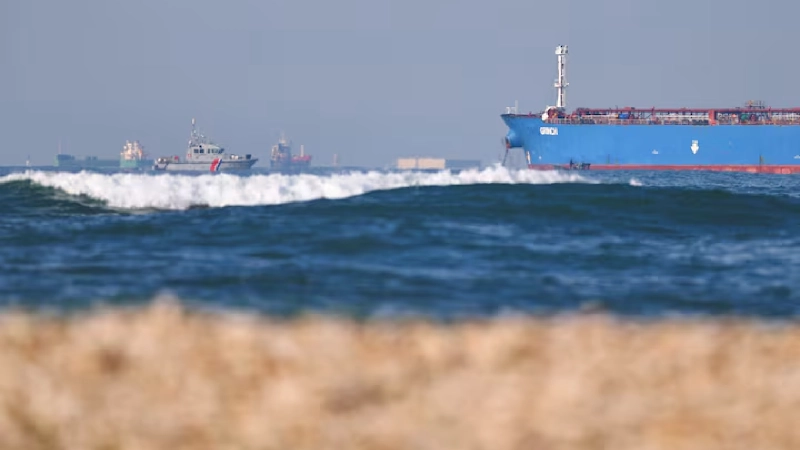
Britain is stepping up enforcement against Russia’s shadow fleet, with authorities preparing to board vessels suspected of breaching sanctions as they pass through the English Channel. Officials say the move is designed to tighten pressure on Moscow’s oil exports while protecting one of the world’s busiest maritime routes. The plan comes amid growing concern that sanctioned ships are continuing to transit the Channel regularly, raising both legal and environmental risks. The action could significantly disrupt established shipping patterns and force Russian-linked vessels to rethink their routes.
Government officials have confirmed that military and law enforcement teams are ready to intercept ships that refuse to cooperate, appear armed, or use advanced surveillance tactics to avoid detection. Once boarded, vessels could face legal action, with potential criminal proceedings against owners, operators, and crew found in violation of sanctions rules. Authorities estimate that at least a dozen sanctioned Russian vessels have been passing through the Channel each month over the past year, highlighting the scale of the challenge in enforcing restrictions across international waters.
The proposed enforcement is expected to alter maritime logistics, as ships linked to Russia may avoid the Channel entirely to reduce the risk of seizure or investigation. This would force longer and more costly routes around alternative passages, increasing transport expenses and delivery times. Analysts suggest that such disruptions could weaken the efficiency of Russia’s oil export network, which has relied heavily on a loosely regulated shadow fleet since Western sanctions intensified following the invasion of Ukraine in 2022.
Britain has already sanctioned more than 500 vessels connected to this network, which is estimated to carry roughly three quarters of Russia’s crude oil exports. These ships often operate under opaque ownership structures, making enforcement more complex. Concerns have also grown over safety standards, as many of the tankers are older and poorly maintained, raising the risk of oil spills, mechanical failures, and environmental damage across sensitive marine areas.
Recent operations underline a broader international effort to curb the shadow fleet’s activity. Earlier this year, British forces supported the seizure of a Russian flagged tanker in the North Atlantic and assisted in a European operation targeting another vessel in the Mediterranean. However, enforcement efforts have faced complications, including policy shifts elsewhere aimed at stabilizing global energy markets, which have at times allowed sanctioned cargo to continue moving under temporary waivers.