News
UK authorises military action to board Russian shadow fleet tankers amid sanctions crackdown

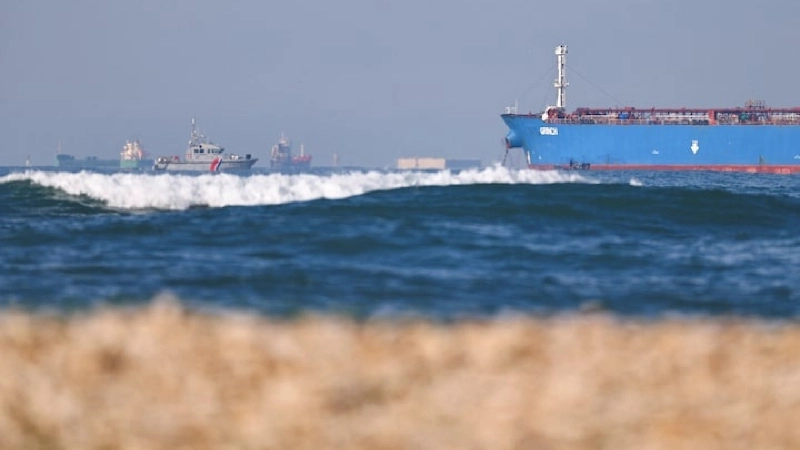
The British government has approved new powers allowing military forces to board and detain vessels suspected of being part of Russia’s shadow fleet, marking a significant escalation in efforts to enforce sanctions tied to the Ukraine conflict. The move signals a tougher stance against networks used to transport Russian oil outside Western restrictions. Officials say the decision is aimed at limiting Moscow’s ability to generate revenue from energy exports, particularly as global oil prices rise amid ongoing geopolitical tensions, adding urgency to enforcement measures across European waters.
Authorities confirmed that military and law enforcement teams are now prepared to intercept ships that refuse to comply with orders, including vessels suspected of using deceptive practices such as false flags or concealed ownership structures. Once detained, ships and their operators could face legal consequences under sanctions laws. The government has already sanctioned hundreds of vessels linked to this network and estimates that a large portion of Russian crude exports continues to rely on these tankers to bypass restrictions imposed since the invasion of Ukraine.
The so called shadow fleet has become a central component of Russia’s energy export strategy, enabling continued oil shipments despite strict controls from Western governments. These vessels often operate with limited transparency and minimal regulatory oversight, raising concerns not only about sanctions evasion but also about maritime safety. Experts warn that many of these tankers are aging and poorly maintained, increasing the risk of oil spills and environmental damage in busy shipping lanes such as the English Channel and surrounding waters.
Government officials argue that rising oil prices linked to recent Middle East tensions have increased the financial incentives for Russia to expand these operations. This has prompted calls for stronger enforcement to ensure that sanctions remain effective. The latest measures reflect growing coordination among European nations seeking to disrupt these networks. Leaders are expected to discuss further joint actions, including increased surveillance and shared intelligence, to identify and seize vessels operating outside legal frameworks.
The crackdown also comes amid shifting global energy dynamics, where efforts to stabilize markets have occasionally conflicted with enforcement strategies. Recent policy adjustments in other regions have allowed limited transactions involving sanctioned Russian oil to prevent supply disruptions, highlighting the complexity of balancing economic stability with geopolitical objectives. Analysts note that such developments may have weakened earlier attempts to fully restrict Russian exports, making stricter enforcement measures necessary.
Environmental groups have also raised alarms about the risks posed by shadow fleet operations, pointing to the potential for accidents involving poorly regulated tankers. The presence of such vessels in heavily trafficked waters increases the likelihood of incidents that could harm marine ecosystems and coastal economies. These concerns have added further pressure on governments to act decisively, combining security, environmental protection, and economic considerations in their response.
As enforcement efforts intensify, authorities are expected to increase patrols and monitoring activities in key maritime routes. The UK is also pushing for broader international cooperation to ensure that vessels cannot easily evade detection by moving between jurisdictions. The situation remains fluid as governments weigh additional steps to strengthen sanctions compliance while managing the wider impact on global energy markets and trade flows.