Business
UK inflation steady at 3 percent in February as Middle East tensions threaten price surge

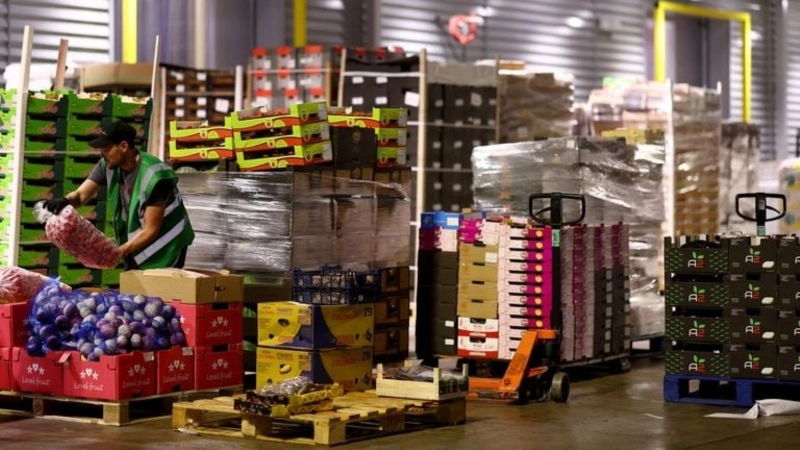
Consumer price inflation in the United Kingdom held steady at 3 percent in February, offering temporary relief for households but signaling potential volatility ahead as geopolitical tensions in the Middle East begin to impact global energy markets. The latest data reflects a brief pause in price growth following months of fluctuation, with lower petrol costs helping to balance rising prices in clothing and other consumer goods. However, economists warn that the stability may be short lived as oil prices have surged sharply in recent weeks, raising concerns about renewed inflationary pressure across the economy.
The latest figures show a mixed inflation picture, with services inflation easing slightly to 4.2 percent from 4.4 percent in January, marking its lowest level in nearly two years. This decline was driven by reduced price growth in areas such as restaurants, cafes, and cultural activities. At the same time, core inflation, which excludes volatile components like energy and food, edged up to 3.2 percent, suggesting underlying price pressures remain persistent. Officials are closely monitoring these trends as they assess the broader trajectory of inflation in the coming months.
Economists highlight that the current inflation reading reflects conditions before the recent escalation in geopolitical tensions, meaning future data could show a sharp reversal. Oil prices have risen significantly due to fears of supply disruptions, particularly around key shipping routes in the Gulf region. This increase is expected to feed into transportation, manufacturing, and household energy costs, potentially pushing overall inflation higher. The UK’s reliance on natural gas for electricity and heating makes it especially vulnerable to such shocks, amplifying the impact on both businesses and consumers.
Public expectations for inflation have also shifted dramatically, adding another layer of complexity for policymakers. Surveys indicate that households now expect inflation to rise to more than 5 percent over the next year, marking one of the sharpest increases in sentiment in decades. This shift can influence spending and wage demands, making it harder for the central bank to control price growth. Analysts warn that once inflation expectations become entrenched, they can prolong periods of elevated inflation even if underlying conditions begin to stabilize.
The Bank of England had previously projected that inflation would fall closer to its 2 percent target in the near term, supported by changes in regulated energy prices and easing cost pressures. However, recent developments have forced a reassessment of that outlook. Updated forecasts now suggest inflation could climb toward 3.5 percent by mid year, reflecting the impact of rising energy costs and broader global uncertainty. Despite this, there remains debate among economists about whether interest rates will rise further, as higher borrowing costs could weigh on economic growth.
Financial markets are currently pricing in the possibility of additional rate increases later this year, although policymakers have signaled caution. Officials have indicated that decisions will depend on how inflation evolves in response to external pressures, particularly energy prices. Government measures aimed at easing the cost of living are also set to take effect, including adjustments to household energy bills. However, support is expected to be more targeted compared to previous interventions, leaving some households exposed to rising costs.
The broader economic backdrop remains fragile, with inflation still above target and growth facing headwinds from higher energy prices and global uncertainty. Businesses are already reporting increased input costs, which could soon be passed on to consumers. As the situation develops, attention will remain focused on how quickly price pressures build and how effectively policymakers respond. The coming months are likely to be critical in determining whether inflation stabilizes or enters another period of sustained increase.