News
Nigel Farage outlines sweeping political agenda as Reform UK gains momentum in polls

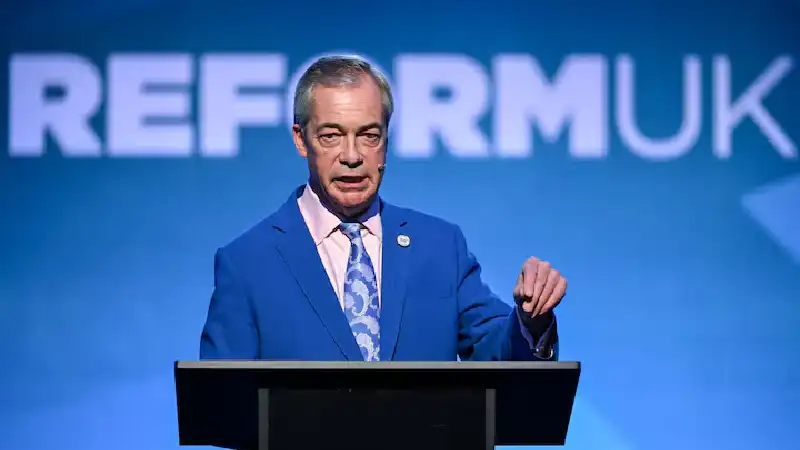
Nigel Farage has intensified his political push by unveiling a broad and disruptive vision for Britain, positioning his Reform UK party as a direct challenge to the country’s traditional political establishment. With rising support in national polls, Farage is presenting his movement as a response to what he describes as a changing global order and growing public dissatisfaction with mainstream parties. His message centres on reshaping economic, social and political systems, with a focus on national identity, immigration control and institutional reform.
At the core of Reform UK’s emerging platform are proposals that would significantly alter the direction of government policy. These include stricter immigration enforcement, including mass deportations of illegal migrants, and a reduction in overseas aid spending. The party is also considering withdrawing from certain international legal frameworks and scaling back diversity initiatives. In economic terms, Farage has signalled support for expanding domestic energy production, reducing the size of the civil service and positioning the UK as a centre for digital finance and emerging technologies.
Farage has framed his agenda as a break from what he calls an outdated political mindset, arguing that established parties have failed to adapt to new global realities. He has drawn comparisons between his approach and that of other populist leaders around the world, suggesting that similar political shifts are taking place internationally. His allies describe the movement as a response to what they see as a disconnect between political elites and ordinary voters, emphasising themes of community, national sovereignty and economic independence.
Despite its growing popularity, Reform UK faces significant challenges as it seeks to translate polling success into electoral gains. The party currently holds a limited number of seats in parliament and lacks experience in government, raising questions about its readiness to lead. Critics argue that its policy proposals remain underdeveloped and warn that some of its rhetoric could deepen divisions within society. Concerns have also been raised about past controversies involving party members, which opponents say could undermine its credibility.
Political analysts note that Farage remains a highly polarising figure, capable of energising strong support among his base while also attracting significant opposition. His ability to connect with certain groups of voters has been a key factor in the party’s rise, but it also highlights the challenges of expanding its appeal to a broader electorate. As the political landscape continues to shift, Reform UK’s strategy will likely focus on consolidating its support while addressing concerns about governance and policy detail.
The party is expected to continue developing its policy platform in the months ahead, with further announcements likely as it prepares for the next general election. Its growing influence has already begun to reshape the political debate in Britain, forcing established parties to respond to its messaging and proposals. With momentum building, Farage’s vision for a redefined political order is set to remain a central theme in the country’s evolving political environment.