News
Major A40 Closure Planned in West London for Essential Safety Upgrades

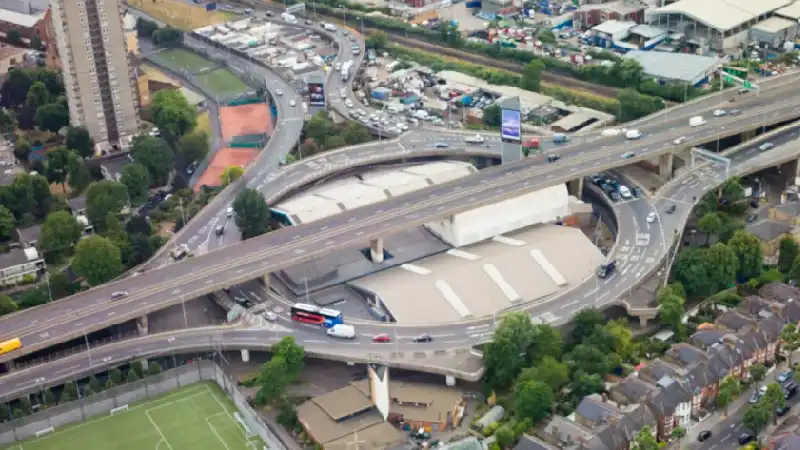
A key transport route in west London will close for more than a month as Transport for London carries out major safety improvements on the A40 Westway. The closure will affect both directions of the road between the Westway roundabout and the Marylebone flyover starting late on the evening of 20 March. Officials say the restrictions will remain in place until late April while engineers complete complex structural repairs. The A40 Westway is one of the busiest roads in the capital, carrying tens of thousands of vehicles each day and providing a vital connection between central London and the western suburbs as well as routes linking to the M25 motorway.
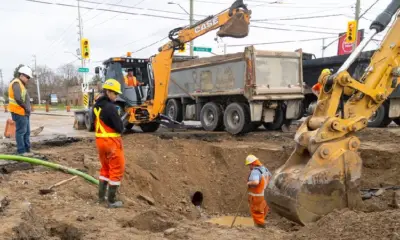
Transport for London said the closure is necessary to allow engineers to safely carry out maintenance work on the Marylebone flyover. The project will involve replacing key structural joints that allow the elevated roadway to expand and contract in response to temperature changes and constant traffic pressure. These components play a critical role in maintaining the structural integrity of the flyover, which was originally built in the late nineteen sixties and early nineteen seventies. Officials say the repairs are essential to ensure the long term safety and reliability of a road used daily by thousands of commuters, freight vehicles and public transport services.
Because of the complexity of the work, engineers will need full access to the carriageway throughout the construction period. Transport authorities say partial closures would not allow crews to safely remove and replace the bridge joints that support the elevated roadway. The work has been scheduled to begin during the Easter period when traffic volumes are typically lower than usual. Despite that planning, officials expect significant disruption across surrounding routes as drivers adjust to the extended closure of one of the city’s major transport corridors.
Drivers travelling between the M25 and central London who normally rely on the A40 are being advised to plan alternative routes well in advance of their journeys. Transport for London recommends using the M4 and A4 corridors as the primary diversion for traffic heading into the capital from the west. For those travelling between outer boroughs and central London, authorities suggest using the A312 Parkway or the A406 North Circular Road to connect with other major routes that lead toward the city centre. Officials warn that surrounding roads are likely to become extremely busy during peak travel hours as traffic redistributes across the network.
Public transport may offer an alternative for some commuters, although the closure is also expected to affect several bus routes that normally travel along or across the affected section of the road. Transport authorities are encouraging residents to consider rail and Underground services where possible and to allow additional travel time during the construction period. Cycling and walking are also being promoted for shorter journeys within local neighbourhoods, particularly for those who normally use the road for short distance travel.
The initial closure lasting until late April represents only the first stage of the maintenance project. After the main work is completed, further disruption will occur during the following months as engineers continue maintenance on the Westway infrastructure. From late April until early July the road will be closed to westbound traffic at the Westway roundabout during most weekends. These closures are planned to allow additional safety work to continue while minimising disruption to weekday traffic flows.
Transport officials say the long term benefits of the repairs will outweigh the temporary inconvenience for drivers and local residents. Maintaining key infrastructure such as the Marylebone flyover is considered essential for keeping London’s road network safe and reliable. Engineers say the upgrades will help ensure the structure continues to support heavy traffic safely for years to come while preventing more serious repairs that could require even longer closures in the future.