
Latest News
Beavers Released in Loch Ness as Highland Conservation Move
Beavers released Loch Ness, reportedly creating a ripple in Highlands conservation with monitoring plans and habitat aims for land managers.

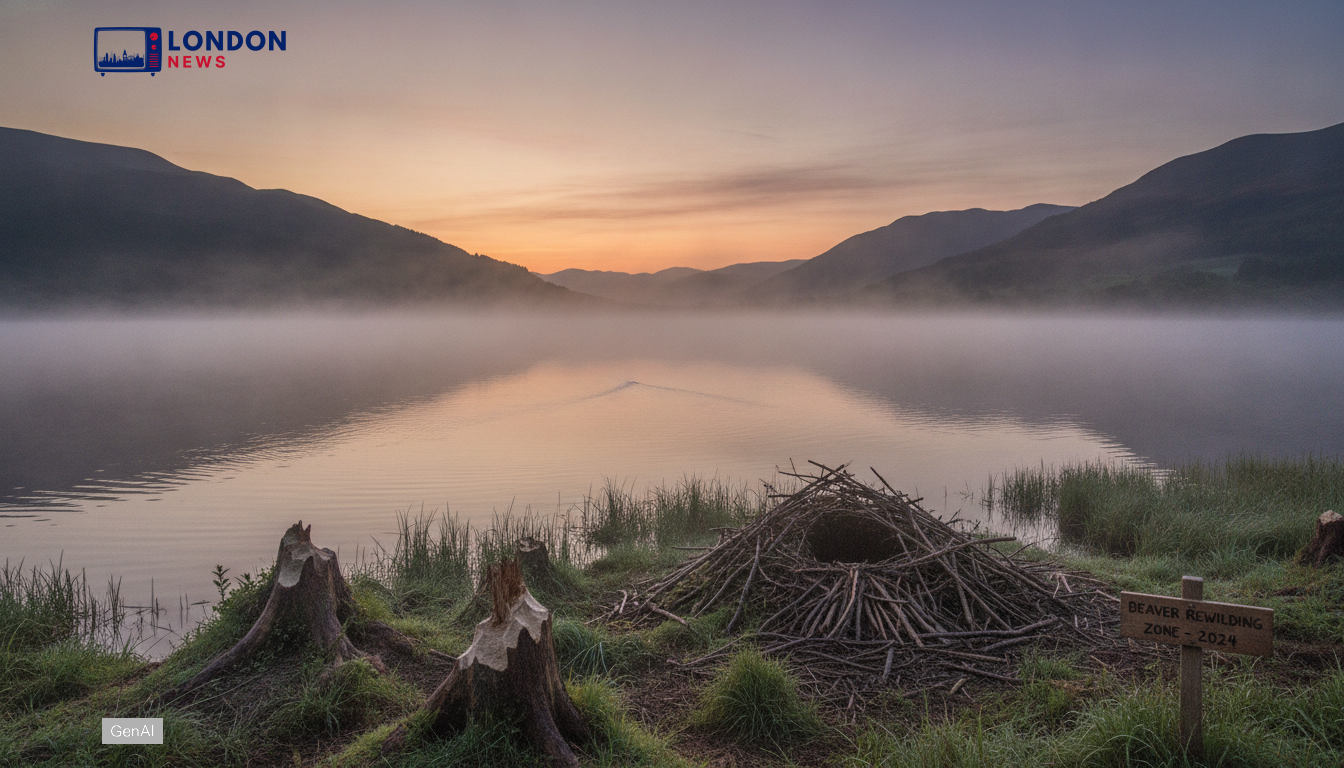
Beavers Released Loch Ness: What’s Happened and Why
Conservation staff suggest they have completed a release of Eurasian beavers near the Loch Ness catchment, reportedly under licence. The move is characterised as a step in Scottish wildlife policy. Reportedly, the animals were relocated after veterinary checks and transport protocols, then placed into areas described as suitable woodland and burn habitat. Officials mention the work will allegedly be monitored for dispersal, dam building, and potential conflicts with farms, fisheries, or infrastructure. Field teams claim to plan welfare checks and will record breeding signs to determine if the animals settle. Project partners also indicated that communication lines for landholders will be open from day one for early issue resolution.
Licence, Monitoring and Mitigation Around the Loch Ness Beaver Release
Organisers call the action a milestone, extending regulated releases into an area with notable public interest and sensitive land management. Under what partners term as NatureScot licensing conditions, on-site monitoring is expected to track movements, dam activity, and any impacts on culverts, roads, or productive land. A local context link, Housing protests in Lisbon: police arrests after clashes, illustrates how public policy debates can intensify when community impacts are contested. Mitigation tools might include flow devices, advisory visits, and responses to complaints, according to described beaver-management practice. Partners stress that transparent updates will be important for maintaining trust.
Expected Habitat and Water Impacts Near Loch Ness
Ecologists involved in similar Scottish projects say beaver activity can reshape small watercourses by slowing flows and creating ponded areas beneficial for insects, amphibians, and birds. For related reporting on UK water pressures, see UK Water Pollution Still Flowing Despite £5bn Flushed Away. Supporters mention potential benefits for water retention and wetland restoration, while critics note risks to fish passage and riparian trees. In this reported Loch Ness-area release, teams claim they will monitor changes in sediment and nutrient dynamics, and any floodplain storage effects after heavy rain. Staff indicate interventions would follow established, non-lethal practices.
Historical Context for Beaver Return in the Highlands
Beavers were once native across Britain but disappeared centuries ago. Their return is reportedly shaped by modern regulation, land use patterns, and public scrutiny. NatureScot is portrayed as overseeing licensing, management guidance, and conflict-resolution measures for beavers in Scotland. The Loch Ness area is noted for linking a high-profile landscape with practical conservation delivery. The Scottish Highlands context is crucial as river systems, forestry, and rural economies vary sharply by catchment, affecting where beaver activity is deemed acceptable. Partners acknowledge some land managers may need time to adapt to new water and woodland dynamics.
What Happens Next for the Loch Ness Release Programme
Next steps, coordinators suggest, involve tracking outcomes over several seasons with regular surveys and open channels for landholders. NatureScot frameworks are portrayed as allowing managers to address potential dam threats to roads, culverts, or productive land while prioritising coexistence when possible. Coordinators intend to expand local training on mitigation techniques and provide clearer guidance on justified interventions for the Loch Ness project. To highlight national scrutiny of regulated decisions, the BBC has covered other UK governance and legal disputes, including Harry and five others seek to challenge Mail publisher privacy ruling. The programme aims to use reports and site checks to assess potential future releases.