Latest News
London Underground strikes: Tube drivers plan walkout
London Underground strikes are being considered by Tube drivers ahead of the Christmas rush, with talks under pressure and commuters warned of possible disruption.

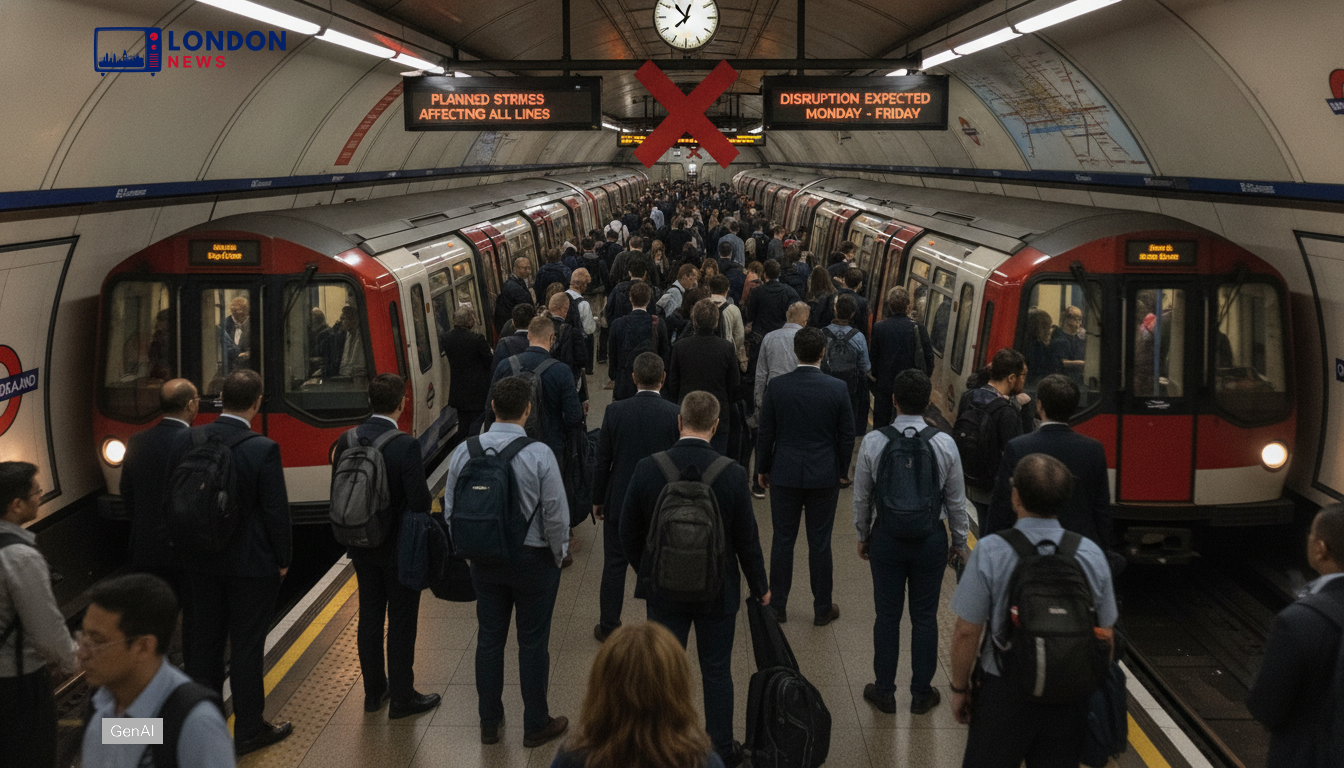
London Underground strikes: Tube drivers announce plans
According to union representatives, Tube drivers are considering strikes for the London Underground in the run-up to the Christmas travel period, increasing pressure on Transport for London (TfL) to return to talks. The dispute is described by union officials as centring on pay, rosters and working conditions, and organisers have indicated to members that they would prefer stoppages on multiple dates rather than a single day of action. In briefings to members, organisers reportedly described the planned action as an escalation after earlier discussions did not resolve the issues. Transport unions have urged passengers and businesses to prepare for reduced services, while noting that a late settlement remains possible if negotiations progress quickly.
What the strike could mean for commuters
For passengers, any walkout scheduled close to the Christmas period could affect some of the busiest shopping and social nights of the year, based on typical seasonal travel patterns. Operators typically try to prioritise core central sections when services are disrupted, but commuter disruption can spread quickly when fewer trains run and platforms become crowded. Planning for surges is a recurring challenge on major networks, including lessons highlighted in Lisbon Metro boosts capacity for Web Summit 2026 rush on managing peak flows, especially on Friday and Saturday evenings in Zone 1. TfL generally advises passengers during disruption to check service updates, allow extra time, and consider staggered travel where possible as roads and buses absorb displaced journeys.
TfL response and public reaction
TfL managers say their priority is keeping as much of the network moving as possible during disruption, even if train frequency is reduced and some stations operate with restrictions for crowd control. Public reaction to possible London Underground strikes has been divided, with some passengers criticising the proximity to seasonal events while others back the right to strike. The dispute has also renewed calls for clearer passenger information, particularly around late-notice cancellations and station closures, according to commuter groups and passenger commentary, and it comes as the BBC report New wave of bomb threats hit European airlines has sharpened attention on resilience. While unrelated to aviation, recent warnings about wider passenger disruption in Europe have sharpened attention on resilience.
Union demands and the negotiations
Union representatives say the core issues include pay progression, predictable rest days and limits on schedule changes that can affect family life, and they argue staffing levels should match passenger demand. They also say ridership recovery has increased pressure on front-line staff during peak periods, including late-night shifts. Management disputes that assessment, according to people familiar with the talks, and maintains that long-term budgets must be balanced against competing priorities, especially where capital upgrades are required, with the broader economic backdrop discussed in Interest Rate Rise: Impact on UK Economy Explained and Bank of England Lifts UK Interest Rate to 4%. The broader economic backdrop is discussed in those articles, which are often cited in public debate about pay offers.
Possible outcomes and what happens next
A settlement could still be reached if both parties agree to mediated talks and a timetable for resolving roster disputes alongside any pay deal, as has happened in some previous transport disputes. If industrial action proceeds, TfL is expected to seek to run limited services on some lines, with reliance on managers and non-striking staff where rules allow, though exact service levels would depend on turnout and operational constraints. These scenarios, including London Underground strikes, can also have knock-on effects for night-time venues and major retail areas that plan staffing around predictable travel patterns, particularly in the West End and Canary Wharf. Any prolonged stoppage would test contingency planning as negotiations continue.