Politics
UK Safety Measures Under Scrutiny
John Swinney expresses concerns about UK safety measures against Russian threats, increasing pressure on ministers to clarify security strategies.

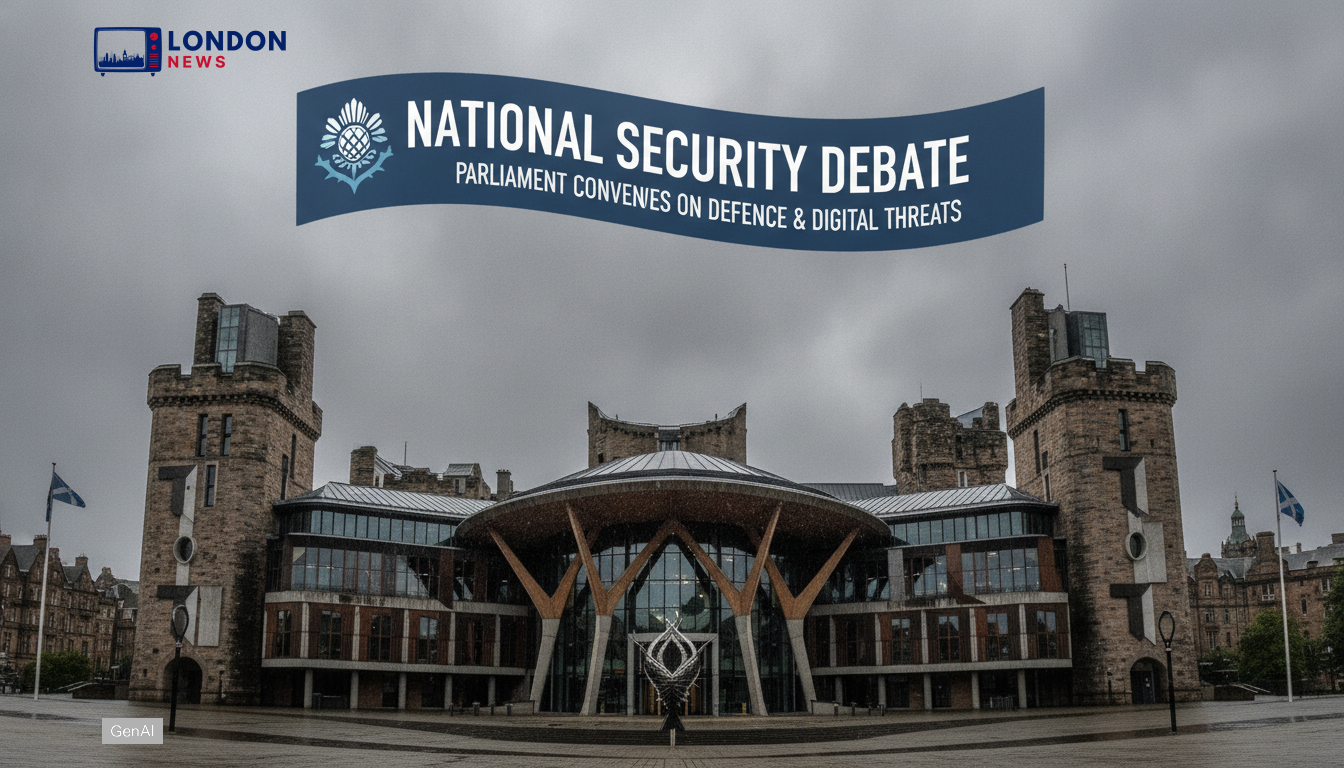
UK Safety Measures: What Swinney Suggests Needs Changing
Pressure is mounting on ministers in Westminster to reveal how the nation is safeguarded as political leaders challenge official reassurances. John Swinney expressed concerns that current UK safety measures may not be keeping up with hostile state activities, cyber attacks, and modern risks. The debate has grown beyond intelligence operations to include resilience planning for critical infrastructure, energy networks, and cyber security, which UK security agencies have repeatedly warned can be targeted. Commentators suggest the immediate challenge is to demonstrate operational changes, not just rhetoric, following earlier public warnings from security services. Parliament is also being urged to assess whether oversight can keep up with swift threats and if national security policy is evolving with the latest assessments.
Swinney’s Concerns Over Russian Threats and Readiness
Swinney’s comments have been framed as a confidence issue, arguing that the scale of Russian threats calls for clearer evidence of readiness and delivery, according to his public remarks and statements from his team. For background on the climate of concern raised by the intelligence community, readers have referenced MI5 chief warns of UK security threats from AI states in recent debates. His aides have stated the comments aim to drive transparency rather than seek party advantage. The context includes public warnings about espionage and cyber activity from senior security figures, as reported in UK media. Swinney is pressing ministers to show what deterrence and protection look like in practice and how safety and resilience measures are being tested.
Implications for SNP Strategy and Scottish Politics
The intervention comes at a sensitive time for Scottish politics, with party unity and positioning under close observation at the SNP conference in Scotland, according to political observers. Swinney is using the issue to emphasise his argument that Scotland should have a stronger voice in security-related decision making, even where powers are held by Westminster. Some analysts compare the public messaging around alliances to diplomatic events such as Marco Rubio Portugal visit: Lisbon talks deepen ties. Within the party, advisers have signalled an emphasis on accountability and coordination rather than protest politics. The leadership is also aware of how voters might interpret warnings if UK safety measures are debated without clear, time-bound evidence.
How Ministers Might Address UK Safety Concerns
Ministers are likely to encounter calls to provide more details on how threat assessments translate into operational decisions, including the balance between secrecy and public reassurance, according to parliamentary and security commentators. Westminster procedures may also provide a platform for rebuttal, including scheduled business referenced through UK Parliament International Update listing. One option is stronger parliamentary scrutiny of national security decisions, especially where cross-government coordination is required across transport, energy, and digital policy. Another is to point to existing legislative tools and funding commitments, although clarity would be needed about delivery timelines, departmental responsibility, and measurable outcomes. Any formal response would also need to address Swinney’s demand for measurable assurance on UK safety measures.
Public and Political Responses to Swinney’s Challenge
Across the UK, the dispute is highlighting divisions between those who want more transparency and those who argue that deterrence relies on keeping capabilities confidential, according to politicians and analysts commenting on the debate. Opposition figures are using the issue to argue the government must show clearer benchmarks for preparedness, while some Conservatives say critics risk undermining confidence. Civic leaders and industry groups are also observing closely because the discussion affects resilience planning and reporting of suspicious activity, according to stakeholder statements reported in the press. Swinney’s critics claim he should specify what extra steps he wants, while supporters argue persistent threats justify questioning whether current protections and UK safety measures are adequate. The political risk for all sides is that abstract warnings can alarm the public or fade if not tied to concrete actions and dates.