Politics
Green party leadership election: Polanski backlash grows
Green party leadership election turns tense as Zack Polanski faces backlash over a Zionism motion, by-election strategy doubts, and calls for party discipline.

Green party leadership election: Polanski faces backlash
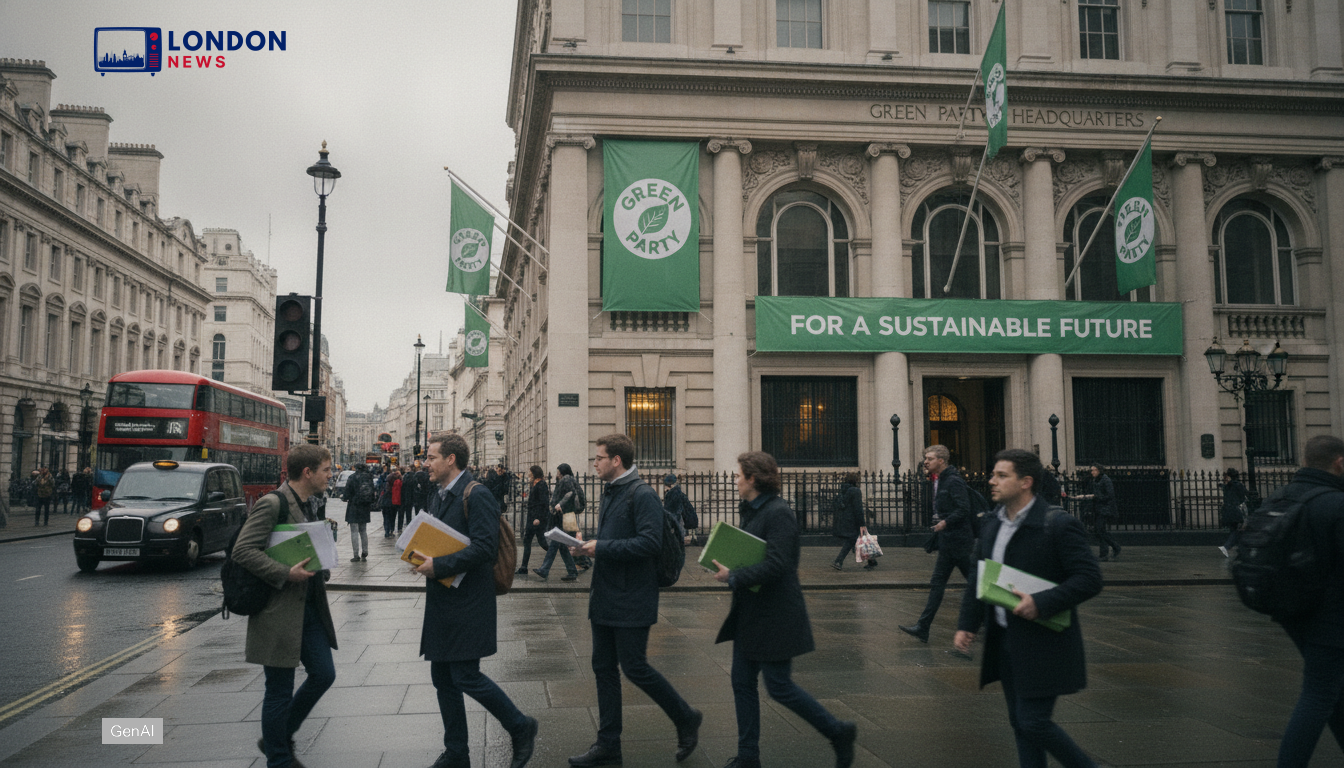
The green party leadership election has intensified as Zack Polanski faces a growing backlash from within his party, according to reports and comments from party figures. The dispute has allegedly centred on how officials handled a Zionism-related motion, and whether the leadership has applied internal rules consistently, according to critics. With members watching closely, Polanski has argued publicly that the row is about process, standards, and inclusion, rather than a personal feud. Some critics suggest the argument risks damaging credibility at a moment when voter and media attention might be limited. Supporters counter that internal discipline is essential if the party is to expand. In the coming days, further media scrutiny is expected and candidates may face sharper pressure to clarify their approach.
Polanski’s response amid the leadership row
Polanski moved quickly to frame the criticism as a test of internal discipline rather than a personal rebuke, according to his public comments. In interviews carried by the BBC, BBC political editor Chris Mason described the situation as a major early test for Polanski, according to the broadcaster’s reporting. He has also said his position is rooted in party rules and conference decisions, not a private agenda. The green party leadership election has since become the backdrop to his argument that members expect clarity on standards and message control. Allies say his immediate priority is to prevent further public splits from defining the contest and creating a prolonged reputational hit.
Zionism motion fallout and governance questions
The immediate flashpoint has allegedly been the fallout from the party’s handling of a Zionism related motion and the language used around it, according to participants and media coverage. Polanski’s team has tried to shift attention to governance, saying the dispute is about process and inclusion rather than factional victory. In the middle of that push, the green party leadership election is shaping how MPs and councillors calculate their responses, because statements are being interpreted as endorsements or rebukes by different parts of the party. Critics argue the row has distracted from core campaigning priorities and damaged external credibility in some local areas. For a recent example of how oversight disputes can dominate an institution’s agenda, see Bank of Portugal: President Meets Governor on Oversight.
By-election result and campaign strategy doubts
The party is also contending with questions about strategy after what some activists have described as a disappointing by-election showing, though assessments vary by faction and locality. Organisers and senior members have argued that message discipline matters most when voter attention is brief, according to internal discussion described by party figures. Some rival factions argue that the campaign should return to doorstep concerns and measurable pledges. Organisers say the immediate task is rebuilding confidence in targeting, turnout, and consistent local messaging. Parliament-focused reporting has tracked constituency level scrutiny in other races, including Sagal Abdi-Wali elected as Member of Parliament for Holborn and St Pancras – UK Parliament, as cited in constituency-level coverage.
What happens next for unity and leadership
Behind the scenes, reaction has been split between those demanding stronger language on discipline and those warning that sanctions could deepen mistrust, according to people involved in discussions. Several officials have said privately that the timing has worsened the damage, because it compresses debate into a narrow window and invites hostile media framing, as described by party sources. Some members argue that a more transparent approach would reduce suspicion and allow campaigning to resume. A recent example of how governance questions can dominate public attention is covered in Asos data breach: wider personal data exposure. Discussion of green party policies 2026 has reportedly been pushed down the agenda as meetings have instead focused on complaints processes and the optics of intervention, including exchanges in London-based member groups. Party managers are now working, according to party figures, to reduce the risk of further resignations or formal disciplinary action.