Latest News
UK energy bills: households brace for sharp increases
UK energy bills are forecast to jump this winter as the Ofgem price cap rises again. Here is what the BBC reported and what it means now.

UK energy bills set to rise this winter
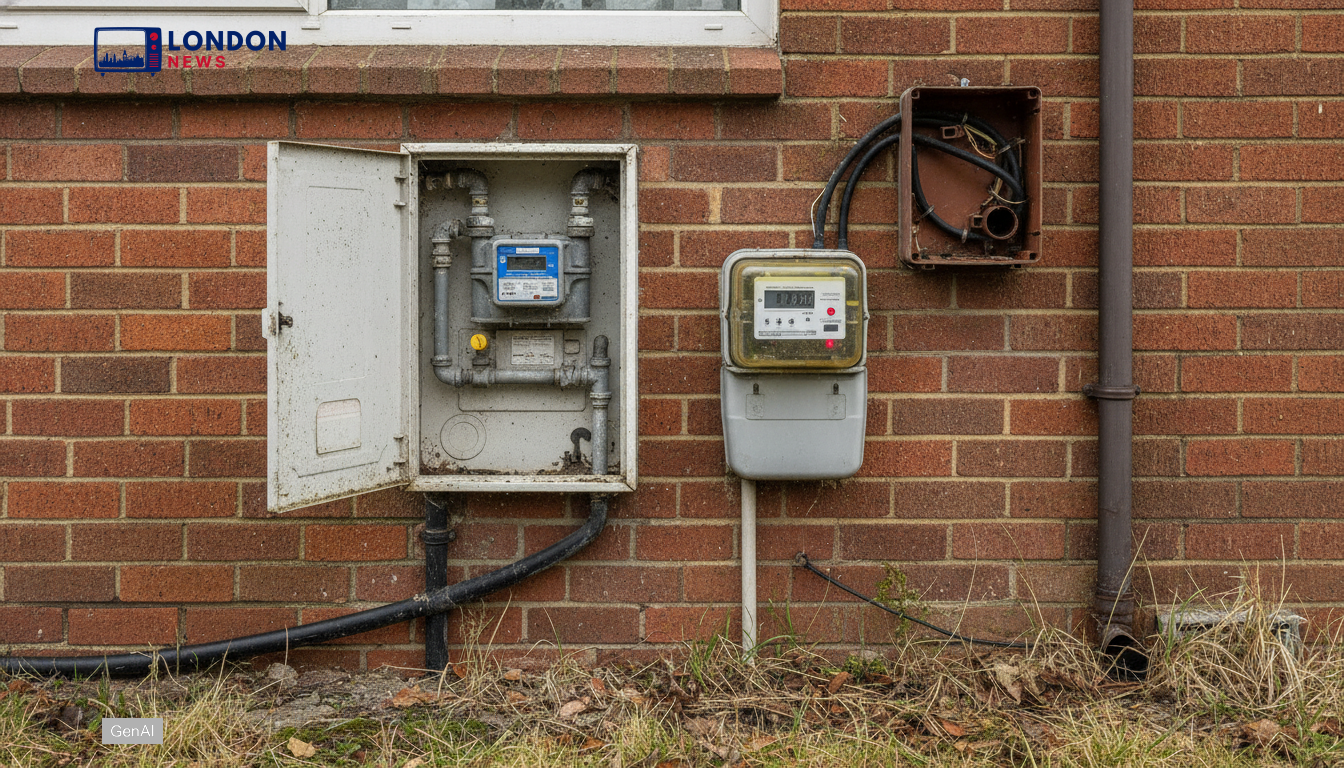
UK energy bills are forecast to jump this winter as households move into the highest usage months. In its latest report, according to the BBC, bills are expected to record what it describes as the biggest rise in four years in the first quarter, with changes linked to wholesale costs and supplier charges feeding into the Ofgem price cap. For many customers, the impact can be felt early because suppliers often adjust direct debits ahead of peak heating demand, as the BBC report noted. This can create a tight cash-flow situation even before colder weather arrives. The challenge for households is not just the headline cap level, but how quickly higher unit rates and standing charges translate into larger monthly payments when consumption rises.
What the BBC report says about the Ofgem price cap
The BBC coverage frames the increase as a winter shock after a period when some homes had been budgeting around lower summer consumption. Details in BBC reporting on the forecast rise highlight how shifts in market costs can flow through to the cap and then to household payments. While the cap limits the maximum unit rates suppliers can charge on default tariffs, Ofgem guidance commonly emphasises that it does not cap the total bill, meaning higher usage still leads to higher overall cost. The timing matters because the first quarter typically captures the coldest weeks, when heating demand is at its peak and small price moves can amplify into noticeable monthly differences for some households. For readers tracking UK energy bills, this is why payment changes can feel sharper in winter than in summer.
How rising bills hit households and wider inflation
The rise may land unevenly across customers. Larger households and homes with poorer insulation might see higher costs sooner as consumption increases, while customers on prepayment meters could notice the change more immediately because top-ups reflect current rates. Standing charges also matter because they accumulate regardless of usage, adding pressure for people trying to reduce consumption. Energy price shocks can also influence inflation expectations through input costs such as transport and logistics, as commentators often note, though the scale and timing can vary; for broader context on how commodity moves can affect European inflation sentiment, see Brent Oil Prices Slide Shakes European Stocks, Inflation. Many households respond by prioritising essential payments, then cutting discretionary spending, according to widely reported consumer budgeting patterns.
Government support and what to watch next
Policy in recent periods has generally been described as more targeted than universal, and the Department for Energy Security and Net Zero sets overall direction while Ofgem runs the price-cap methodology and compliance framework, according to their published remits. Readers may want to check official announcements for eligibility details and timelines as winter approaches. Essentially, the key questions for UK energy bills are when supplier payment plans change, how hardship funds are applied, and whether any local-authority schemes are renewed for the winter period. Fuel costs can add pressure to household budgets at the same time, especially where commuting is unavoidable, and readers tracking energy and fuel together can compare developments with UK fuel prices graph: diesel at record high explained and UK response to US diesel export ban threat grows.
Practical steps to manage higher energy costs
Households cannot control the cap, but they can limit how quickly higher unit rates inflate monthly payments. Submitting regular meter readings can reduce the risk of estimated bills compounding over several months, and checking statements can help confirm that the tariff and payment method match what was agreed. Customers offered discounted deals should read terms carefully, because some promotions can expire during winter and revert to higher rates. Ofgem and Citizens Advice guidance commonly stresses contacting a supplier early if repayment becomes difficult, because support options and repayment plans are often easier to arrange before arrears build. The most reliable savings typically come from reducing heat loss and moderating thermostat settings, since each unit saved is worth more when prices rise.