Politics
UK Budget 2026: Andy Burnham faces hard tests ahead
As the UK Budget 2026 approaches, Andy Burnham and ministers weigh fiscal rules, energy price uncertainty, and pressures on services while trying to present a credible plan for growth.

Budget 2026 timeline and early priorities
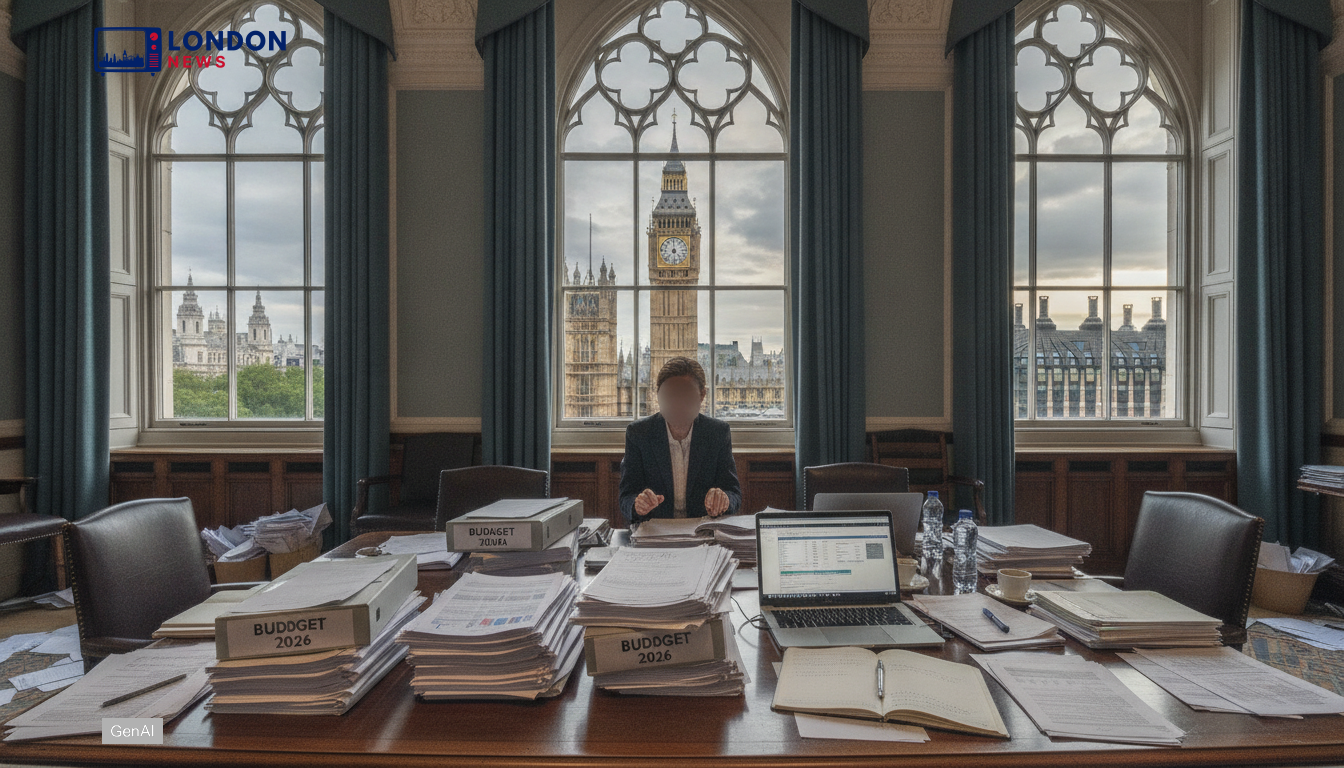
With the 2026 Budget approaching, Whitehall is reportedly tightening the timetable for briefings, costings and sign-offs, according to people familiar with preparations. Treasury teams are working to lock assumptions ahead of an Office for Budget Responsibility forecast, which the OBR publishes for major fiscal events and which typically anchors market and parliamentary scrutiny. In meetings with officials and regional leaders, Burnham has argued that the plan should show a clearer link between spending choices and measurable outcomes, including how impacts vary by region, according to aides. Ministers have also signalled they want fewer late policy reversals that can unsettle investors and complicate delivery. The next phase will challenge the government’s ability to balance a plausible growth plan with maintaining core services and ensuring tax decisions remain acceptable to voters.
Economic risks shaping fiscal decisions
The Chancellor faces persistent cost pressures, weak productivity and tight departmental settlements, with officials cautioning that real-terms squeezes can hit delivery. Energy and import prices remain a key uncertainty for the British economy, alongside interest-rate sensitivity as the Bank of England weighs inflation persistence. Shipping and fuel dynamics can feed through to household bills, a theme explored in Global oil supply squeeze lifts UK inflation and fuel. Cross-border comparisons are also shaping choices, including supply-chain and investment debates highlighted by EU Needs a Whopping €24.7bn for Electric Dreams. With debt-interest costs exposed to rates, ministers are said to have limited tolerance for overly hopeful forecasting errors, according to commentators who track fiscal policy.
Burnham’s asks and devolution debate
Burnham’s pitch centres on what he describes as delivery-tested devolution, arguing that targeted transport, skills and housing powers can make national spending more efficient and easier to audit. He has urged colleagues to pair any new commitments with identifiable funding streams and transparent evaluation, especially where multi-year settlements are requested by mayors and councils, according to people close to the discussions. Parliamentary scrutiny is also part of his case when trade-offs become ideological, including evidence aired in Houses of Parliament debate on public ownership in the water sector. Allies say the Budget should reward places that hit delivery metrics rather than those best at bidding.
What the UK Budget 2026 could mean for growth and services
How the package lands may matter as much as headline totals because investors and households react to perceived credibility and follow-through. If ministers prioritise service resilience, capital budgets could be squeezed, which some economists warn can undermine long-run growth prospects. The politics is already visible in UK pension increase debate grows as wage growth cools, as the UK Budget 2026 also intersects with pensions and labour-supply incentives, since fiscal choices can influence intergenerational fairness and participation. At the same time, schools and other frontline pressures are shaping the spending envelope, including UK Schools Funding: Extra £500m to Avert Strike. Treasury modelling is expected to weigh demand support against debt stabilisation, as it has in previous fiscal statements.
Political reactions and credibility tests
Inside Westminster, backbenchers are weighing whether any tax changes can be defended to constituents while public service performance remains under strain, according to MPs and parliamentary watchers. Burnham’s approach is drawing attention among local leaders who want longer settlements, while MPs across factions are pressing for visible household relief. Think tanks are preparing scorecards, and the Office for Budget Responsibility is expected to be central to how claims are tested in committee hearings and media coverage. The fiscal statement is also sharpening arguments over regional inequality, with city regions demanding levelling commitments be measured against outcomes, not announcements. The immediate political test will be whether the package feels coherent across growth, fairness and delivery, and whether it can hold through 2026.