Politics
Keir Starmer resignation 2026: Commons exit and vote
Keir Starmer resignation 2026 triggers a London by-election. What happens next, key parliamentary steps, expected dates, and how parties plan the contest.

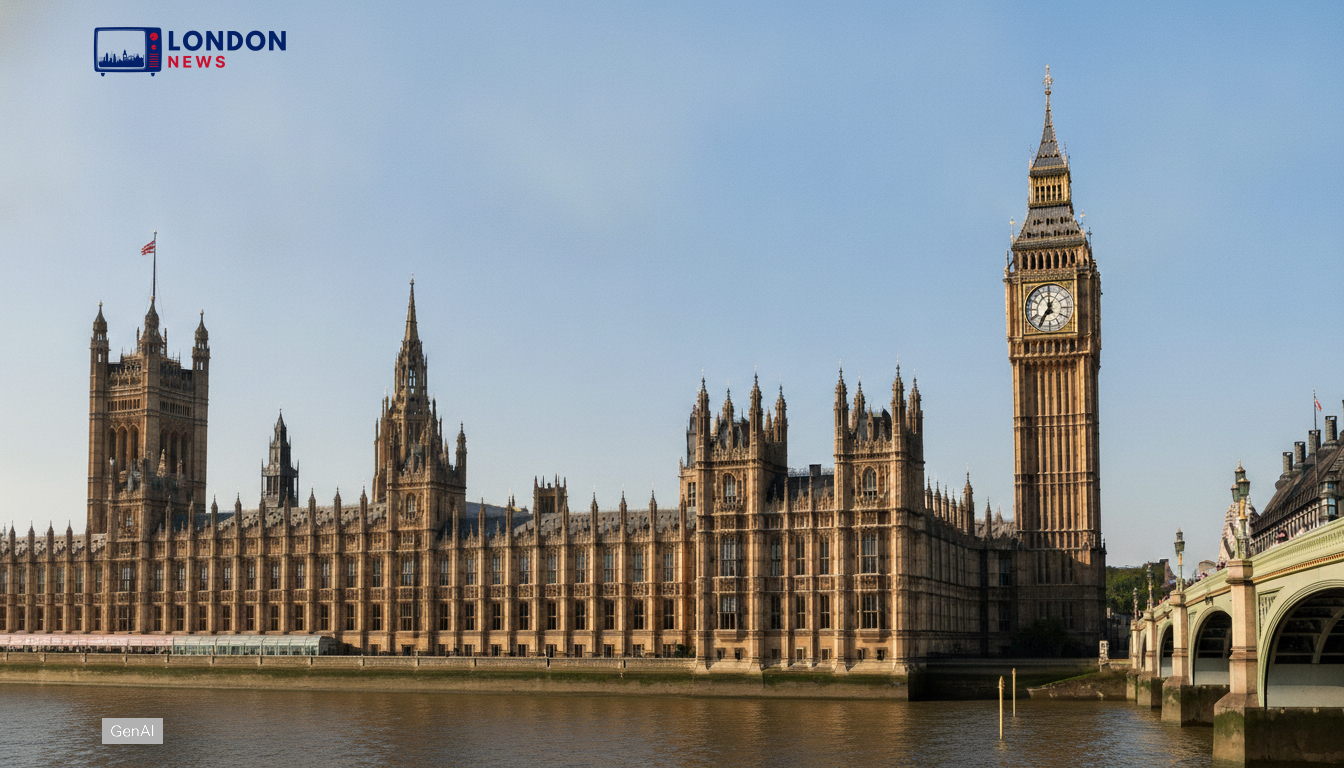
Keir Starmer resignation 2026: Decision to resign
According to available reports, Starmer has indicated he intends to resign as an MP, a move that would trigger formal Commons steps leading to a by-election and a new representative for his constituency. In remarks described by attendees and media reports as a resignation speech, he said he would follow the procedural route required for MPs to vacate their seats under UK parliamentary rules. The next stage can be tracked through Commons business papers, including motions and notices that may appear in the UK Parliament Order Paper listing. Party officials said local organisers have been briefed on the likely timetable and the administrative handover for the keir starmer resignation 2026 process.
Impact on London’s political landscape
If the seat is formally vacated, the resignation could reshape London politics by forcing a mid-term contest that is expected to draw attention from major parties and local campaign groups, according to party strategists and local organisers. Strategists anticipate any by-election campaign to test national messaging as well as neighbourhood issues such as housing supply, transport reliability, and public safety, topics that local campaigners say typically dominate canvassing in marginal seats. As the story drives the early narrative, rival teams are expected to calibrate resources and decide which national figures to deploy for visits and media appearances. For context on how Westminster developments can ripple through party management, Tory reshuffle drops Mel Stride and Priti Patel shows how quickly internal planning can shift after a major announcement. For an example of how institutions manage high-profile transitions after legal review, Portuguese immigration law: Court clears asylum decree highlights why clear procedural steps matter. Community leaders say they are preparing to press candidates for specific pledges.
Potential candidates and selection process
Attention is turning to who may stand, with local party structures expected to run shortlisting and selection contests under their own rules once a by-election is formally under way, according to party officials. Labour members are likely to prioritise a candidate with constituency ties and a strong record on casework, while opponents are expected to frame the vote as a wider verdict on national politics, campaigners said. Campaign teams are also watching how the keir starmer resignation 2026 developments are framed across broadcasters and online outlets, because early narratives can shape fundraising and volunteer sign-ups, according to people involved in local organising. Alongside traditional hustings, organisers anticipate heavy digital campaigning, including clips circulated by newsrooms and supporters, though distribution will vary by platform. Electoral administrators are expected to publish key dates after Commons steps are completed, and candidates would then begin formal spending returns under election rules.
Constituency history and what issues may dominate
The seat has been closely associated with national debates on justice, policing, and public services, and analysts say its voting history often tracks wider London trends rather than a single-issue identity. Commentators looking for parallels often point to how demographic changes and housing costs can influence turnout and party strength between general elections and by-elections, even within the same boundaries. In recent years, London’s policy agenda has also been shaped by pressure on the public estate, including courts and prisons; UK prison overcrowding: £110m plan to add cells shows how operational strain can become political terrain. Local organisers say doorstep conversations typically return to public-service delivery, especially access to NHS appointments, crime reporting, and the reliability of local transport connections. If the keir starmer resignation 2026 proceeds through Commons procedure, each party is expected to focus on competence, accountability, and concrete plans for local services.
What happens next: timetable and immediate consequences
Procedurally, the immediate consequence would likely be a by-election in London if the Commons records confirm the vacancy, with parliamentary notices setting the pace for the steps that follow an MP’s decision to leave, according to parliamentary guidance and party officials. Once the writ is moved and an election date is set by administrators, parties would finalise candidates, appoint agents, and begin the regulated spending period, with leaflets, canvassing sessions, and local media slots expected to intensify quickly in the first fortnight after the writ is issued. Separately, the constituency office would need to wind down and transfer open casework so residents have clear routes to support until a successor is elected, a process typically handled with party staff and local offices, according to former constituency staff and organisers. Any further statement about his plans will be watched for what it signals about his future role in national life, but party officials indicate that the main impact might be a high-profile contest with significant national attention and local stakes.