Tech
Wildfire detection technology that speeds up fire crews
How wildfire detection technology uses drones, sensors and AI analytics to spot ignitions earlier, guide dispatch and keep fire crews safer quickly.

Wildfire detection technology for faster first response
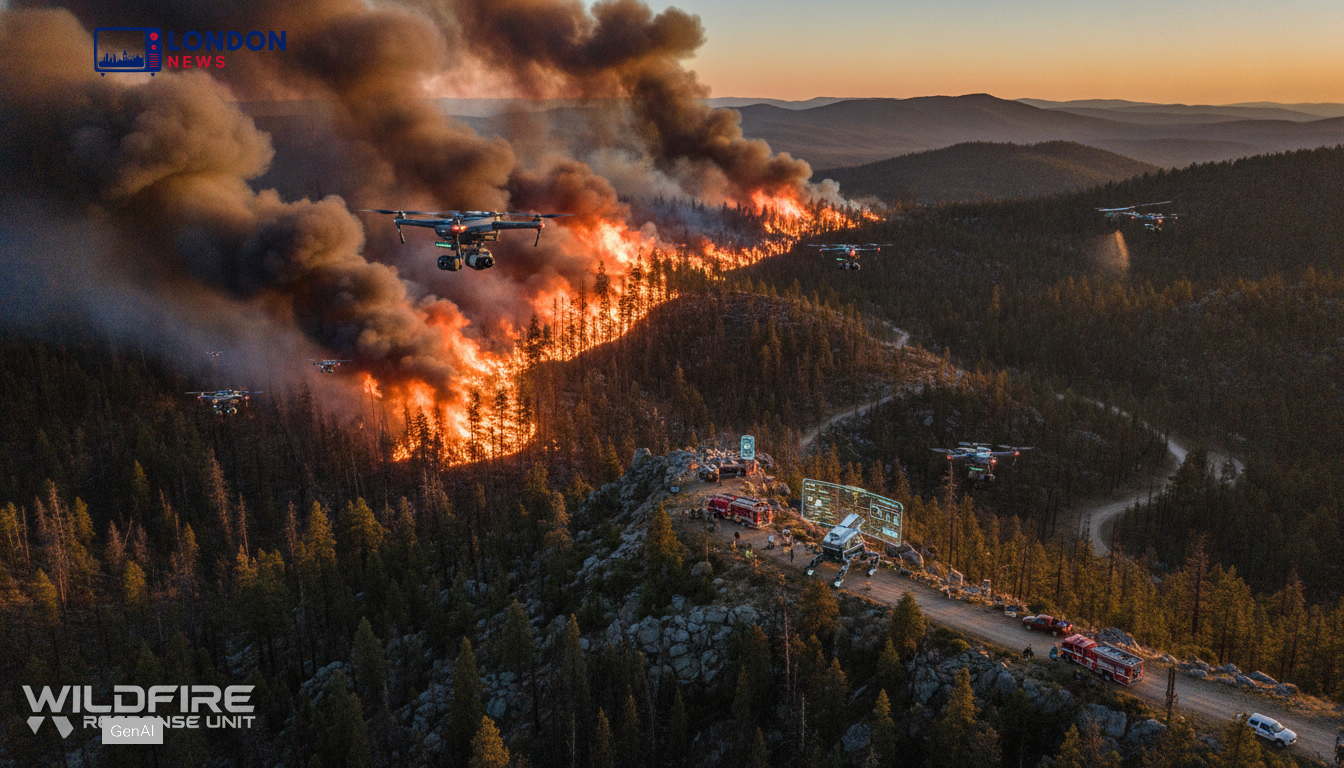
Fire agencies are increasingly looking to expand wildfire detection technology to shorten the time between ignition, confirmation and the first targeted dispatch, though methods vary by region and budget. The aim is to get verified location data to incident commanders when smoke, heat and damaged infrastructure make visibility poor. In some areas, services pair sensors with mapping and communications designed to keep working in extreme heat and heavy smoke, though performance can depend on terrain and network conditions. In trials and exercises, infrared cameras and portable weather stations can feed real-time wind and humidity updates at the fireline, which may help crews adjust tactics more quickly. UK services also rely on national resilience arrangements to share specialist kit during major incidents, as set out in official UK resilience guidance and mutual aid frameworks. The biggest gains are often reported as coming from faster verification and clearer tasking, but results are not uniform across incidents.
Drones and thermal cameras to confirm hotspots
Drone surveillance is moving from experimental flights to more routine tasking for perimeter checks, hotspot verification and night operations where it is permitted, though adoption differs between services. Many teams use thermal payloads to identify residual heat through light canopy, then relay coordinates to ground teams and aircraft when operational procedures allow. Guidance from the UK Civil Aviation Authority sets the framework for lawful drone operations, including safety case requirements for complex missions. In parallel, wildfire detection technology can ingest drone imagery into common operating pictures that commanders share across agencies, according to available reports. Where connectivity is limited, teams may cache footage locally and sync once mobile links stabilise.
AI alerting and dispatch workflows for early action
AI in firefighting is increasingly used to triage incoming signals from cameras, satellites and public calls, aiming to reduce time spent reviewing false alarms; however, vendors and agencies describe different accuracy levels depending on the data and setting. Some systems flag smoke signatures by comparing consecutive frames, while others blend weather, fuels and terrain to recommend where to send patrols. As indicated by available reports, the key change is operational: wildfire detection technology is often being integrated with dispatch workflows rather than sitting as a standalone dashboard, though integration can be complex. Tech policy reporting on classification and verification tooling shows how models are designed to reduce noise in high-volume streams via TechCrunch on AI moderation tools. Fire agencies may apply similar principles when filtering large volumes of image and sensor alerts in a single operational period.
Connectivity, resilience and data governance limits
Despite progress, modern detection and mapping systems can fail in the conditions that matter most, including heavy smoke, power loss and rapidly shifting winds, as emergency planners and after action reports commonly note. Thermal cameras can be obscured by thick cloud layers, and drone batteries can degrade faster in heat, cutting flight time just as demand peaks. These firefighting innovations also bring cybersecurity and data governance burdens, especially when imagery includes private property or sensitive infrastructure. Services investing in digital resilience may borrow practices from other regulated sectors, including risk assessments and audit trails like those described in governance disputes in major institutions reporting. Procurement is another constraint because training, maintenance contracts and software licensing can exceed hardware costs over multi-year programs, depending on supplier terms.
What comes next for detection networks and crews
Near-term development is focused on getting more actionable intelligence to crews without increasing screen time in the command vehicle, including during summer wildfire seasons such as July and August in the UK. Vendors are pushing edge processing so cameras, drones and sensors can classify smoke and heat locally, then transmit only high-confidence alerts to reduce bandwidth use. For related oversight and compliance debates, see Jaded London Smoking Ad Banned by ASA in the UK and Womb surgery breakthrough for Theo’s gastroschisis. Agencies are also testing interoperable data standards so imagery and incident layers can move between platforms during mutual aid deployments; progress depends on procurement choices and governance. In practice, wildfire detection technology tends to work best when paired with resilient communications, clear dispatch rules and regular exercises that test failures, not just best-case scenarios. With sustained funding, agencies say the goal is a tighter loop from detection to suppression that better protects responders and communities.