Politics
UK politics: Starmer advises Burnham after by-election
UK politics: Keir Starmer urges Andy Burnham to avoid internal distractions after the Makerfield by-election, emphasising unity and discipline.

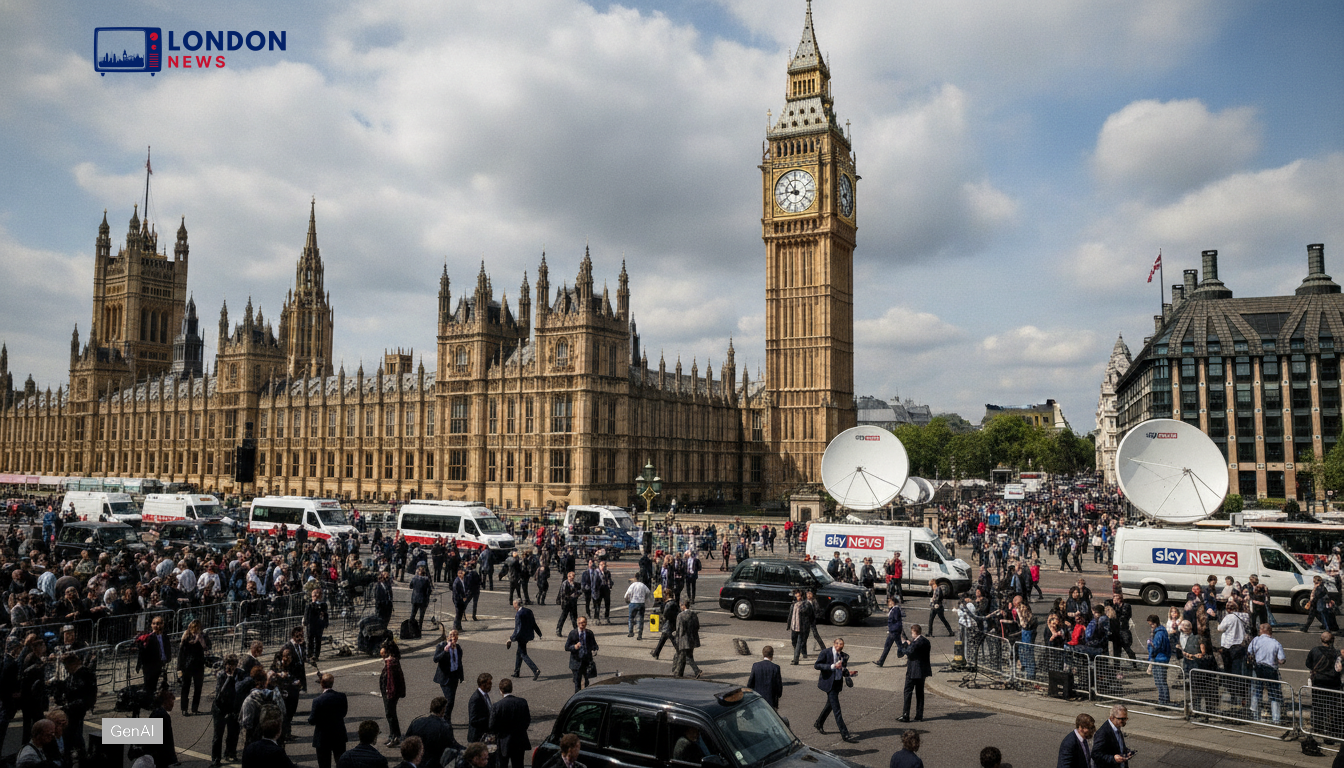
UK politics and Starmer’s message to Burnham
Keir Starmer has reportedly conveyed in both hush-hush discussions and public statements that Labour can’t risk in-fighting right after a spotlight-stealing by-election. The leadership is spinning this as an exercise in discipline rather than kowtowing to any single personality, as suggested by those privy to the leadership’s mindset. Starmer frames it as a test of wits for mayors and MPs with an eye on the top spot, observers of Labour’s internal tango have noted. Linking the message to voter expectations, he pushes ministers to focus on outcomes over party squabbles, a sentiment echoed by Labour figures in interviews. This strategic move seems to resonate as Labour insiders consider the potential uses of a by-election win in Westminster, as hinted at by media observations and internal briefings.
Makerfield by-election: what it signals
Some Labour aficionados perceive the Makerfield by-election as an unofficial referendum on trust, expertise, and party strategy, with political analysts and columnists weighing in. Party officials stress they envisage the result as a testament to everyday campaigning and local organisation, rather than a spark for leadership theatrics. By-elections have the knack for flipping media narratives swiftly, as political editors often note, prompting aides to underline message discipline and candidate focus, according to those in the know. A timely illustration of how single events can be reframed into larger political examinations appeared in General strike in portugal over reform disrupts travel. Starmer’s allies argue a victory should solidify power, not stir up succession chatter, as insinuated by internal discussions.
How Labour plans to contain leadership talk
Within Labour, the big question looms: will Andy Burnham try to leverage a Makerfield win into a strategic advantage, or might he assume a broader role without lunging for the leadership, as journalists following the party suggest. Insider MPs claim that an ill-timed contest could scatter resources spread thin across marginal battlegrounds and compromise the opposition’s ability to deliver consistent strikes, as media accounts propose. In UK politics, the swift reward for a robust by-election outcome is often narrative control, which Starmer wants to keep on government readiness rather than internal chess games, according to aides and observers. To delve into parliamentary framing and risk narratives, readers might find interest in Hold a UK-wide briefing on climate and nature risks – UK Parliament, as Makerfield and Greater Manchester teams assess the signals sent.
Analyst reaction and media pressures
Analysts view Starmer’s stance as both a caution and a call for cooperation under firm guidelines, as indicated by published analysis. They note Burnham’s strong performance on regional matters, but a sudden Westminster lunge might seem overly ambitious, overshadowing local commitments, as political observers propose. Such optics are crucial because parties that seem inwardly focused or off-track risk voter backlash, as polling trends often illuminate for strategists. Media pressures further shape message reception, with newsroom cutbacks, like those highlighted in BBC job cuts: Navigating the financial squeeze with 550 roles at stake, influencing how stories break through. Political editors broadly believe Starmer aims to dodge a news cycle that sidetracks policy differentiation and constant monitoring of government action.
What happens next for Labour in UK politics
Should Burnham clinch a win and delay aggressive moves, Labour might exhibit a more cohesive face while highlighting formidable regional leadership, as party strategists suggest. Such a setup could allow the leader to claim coherence while deploying popular figures as champions on economic and public service matters, according to campaigners familiar with Labour messaging. On the flip side, if the outcome unleashes open posturing, opponents are likely to depict Labour as muddled and fractious, which strategists warn could chip away trust among swing voters. Debates on effective governance versus internal divisions appear in policy hitches like Thames Water nationalisation: ministers block rescue deal. A potential next step, as those tracking party management note, might involve a deal over roles, public profiles, and key message themes to emphasise competence over intrigue.