Politics
Strait of Hormuz meme meets UK security push
Strait of Hormuz meme trends as the UK backs shipping security and de-escalation. What the joke means, why it spread, and what officials say next.

What the Strait of Hormuz meme means now
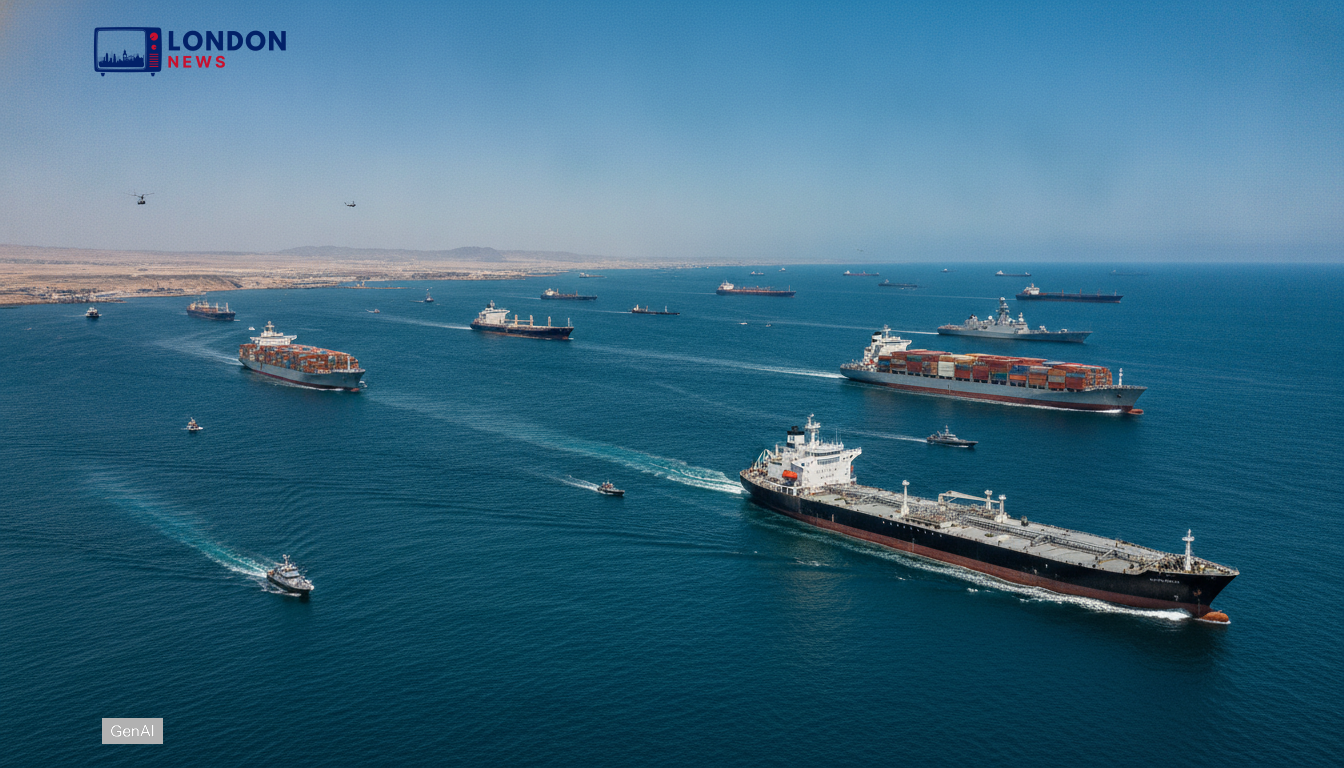
The strait of hormuz meme has surged as a shorthand for energy anxiety and a fear that shipping disruption could ripple into everyday prices. Commentators and market analysts note how tensions around major shipping routes can spark such shifts. The joke typically riffs on the narrowness of the route, tanker traffic, and sudden headlines about risk, turning complex maritime security into a simple punchline. But it also spreads real-time clips, maps, and claims that can confuse what’s confirmed versus what’s speculation. UK officials have emphasised practical guidance for shippers and crew safety while separating humour from misinformation, according to public messaging from government and defence channels. The meme also reflects how quickly public sentiment shifts when the Strait of Hormuz becomes a global concern.
Why the Strait of Hormuz meme spread online
Viral posts accelerated because the Strait of Hormuz is widely described as a critical chokepoint, with some market estimates indicating the share of globally traded oil that transits the passage is around one-fifth. When traders, commentators, and ship trackers discuss the same narrow passage, memes travel fast across platforms and languages. For context on how algorithmic content can magnify risk narratives, UK officials have pointed to adjacent concerns about online fraud and manipulation, similar to themes in UK Financial Scam Losses Near £1.3bn as AI Spreads Fraud. Another driver is the constant question: is the Strait of Hormuz open now? This query often pulls people toward unverified maps and screenshots. The result is a blend of satire and crowd-sourced monitoring that can mislead as easily as it informs.
The UK response: diplomacy and escorts
As reported by The Guardian, Keir Starmer indicated that the UK would fully participate in keeping shipping moving and reducing disruption risks, framing the issue around maritime law and allied coordination. Cabinet-level briefings have promoted de-escalation messaging while maintaining credible deterrence if threats grow, according to summaries attributed to officials. Public resilience conversations have emerged in Parliament, including the UK Parliament briefing notice, as officials aim to communicate risk without amplifying propaganda. The UK’s stance is that any action must comply with international law and focus on protecting crews and navigation freedom, as ministers have emphasised in public statements.
Coordination, frameworks, and what’s verified
London has embedded its contribution inside multilateral coordination, leaning on established naval frameworks rather than launching a standalone mission, according to defence briefings. These briefings have referenced cooperation with partners in the International Maritime Security Construct and the UK-led European Maritime Awareness in the Strait of Hormuz initiative. A cross-portal example of how technical upgrades and safety signalling are communicated in other sectors can be seen in Lisbon Metro upgrade adds Esmeralda rail grinding gear, which depends on clear, verified updates. The operational focus is deconfliction, identification, and guidance to merchant traffic if threats rise, as naval updates typically outline. Viral clips can be mistaken for official advisories, which is why UK officials urge reliance on recognised maritime channels.
Risks to trade and how to read the Strait of Hormuz meme
The primary economic concern is potential disruption of Strait of Hormuz oil, as even brief uncertainty can affect freight schedules, refinery planning, and insurance pricing, according to shipping analysts and insurers’ standard guidance. Security planners monitor scenarios such as mines and attack craft, as seen in maritime threat assessments. The Royal Navy and partners have been tasked with sharpening identification protocols to reduce miscalculation, according to official defence communications. Wider UK infrastructure debates demand clarity in crisis management, including scrutiny of essential services in Thames Water nationalisation: ministers block rescue deal. Ministers avoid price forecasts, stressing convoy timing and crew welfare instead. The government also tracks whether viral narratives, including the meme, distort public expectations about escorts, as officials noted. The best approach is treating memes as commentary while cross-checking claims against official advisories.