Politics
UK Election Maps Reveal Winners, Losses, Next Steps
Fresh maps and charts explain uk election 2026 results, showing where parties gained or lost, and what council shifts mean for policy and strategy.

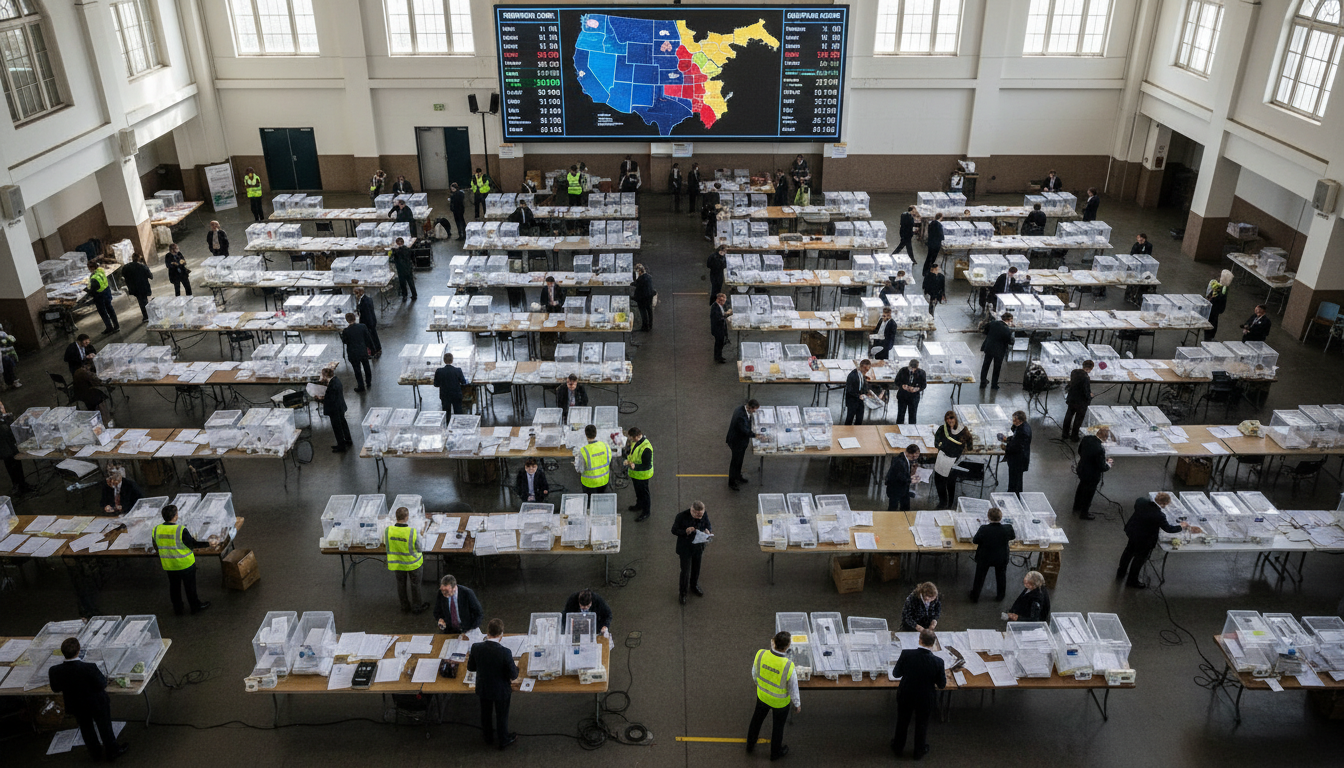
Election Results Shaping UK Politics
Returning officers have now posted the latest counts across councils, and party leaders are already rewriting their messaging. In the middle of the early declarations, the uk election 2026 results point to a reshaped patchwork of local authority control that will affect budget votes within weeks. Today, campaign teams are treating ward level movement as the clearest guide to parliamentary battlegrounds, while broadcasters keep a Live picture of turnout and swing. The BBC said its results service is drawing from official council declarations as they are verified, and an Update cycle is pushing late counts into revised seat tallies. The immediate political effect is momentum, not legislation, but it is measurable in who controls committees.
Visual Representation of Party Success
Maps are doing more than illustrating victory speeches, they are showing where organisational strength held and where it failed. Today, the most useful visuals combine turnout, majority size, and whether wards changed hands, which helps separate protest votes from durable shifts; for context on how data heavy coverage can shape interpretation across sectors, the chart driven approach in NFT Price News: Tracking Floors, Caps, and Charts offers a parallel in how audiences react to changing dashboards. A rolling Live feed of declarations has also exposed how late counting areas can skew perceptions of momentum until full returns land. When broadcasters push an Update after a recount or correction, the narrative can flip quickly in marginal wards, so editors are leaning on official statements from each local authority.
Key Gains and Losses Across Regions
Regional splits look sharper once results are layered by council type, with metropolitan areas behaving differently from county contests. In the uk election 2026 section of several election desks, analysts have used ward maps to highlight clusters of change that sit along commuting corridors rather than historic county lines. Today, those corridors matter because they track housing pressure, school capacity, and transport costs, which show up in what voters punish locally; for a read on how close run contests can upend long held expectations, Labour Faces Welsh Senedd Defeat After 100 Years captures the kind of regional shock that map overlays are now surfacing more widely. The discussion has stayed Live as parties argue over whether gains came from tactical voting or demographic churn, and each Update tends to cite individual council declarations. The takeaway is that geography is fragmenting party coalitions.
The Impact on Local and National Policies
Control of councils changes what can be delivered quickly, from planning decisions to social care commissioning, and that is why the seat totals matter beyond headlines. Under the banner of UK election results analysis, parties are tying local outcomes to policy credibility, especially where manifesto pledges rely on cooperation from councils; for evidence of how local pressure can become a national parliamentary ask, the UK Parliament petition page Nature-based flood and drought resilience shows how council level priorities can translate into legislative campaigning. Today, leadership teams are pointing to policy petitions and committee agendas to show what priorities will move first, and the Live debate is shifting toward service delivery rather than ideology. Each Update in council control affects which projects get funded first, including 2026 budget lines for drainage, flood walls, and emergency planning.
Future Implications for Political Strategies
Strategists are already modelling what the uk election results may 2026 pattern means for candidate selection, field operations, and message discipline ahead of the next nationwide contest. The uk election 2026 results are being mined for micro signals such as whether incumbency helped in high inflation wards, or whether doorstep issues like bins and parking dominated despite national debates. Today, party headquarters are using internal canvass returns alongside official ward declarations to identify where to redeploy activists, and the Live framing is moving from who won to why the ground game worked. A rapid Update cycle is also forcing parties to correct claims when late counts narrow majorities, which makes verification central to credibility. The practical implication is tighter targeting and fewer broad promises, because maps show exactly where coalitions are thinning.