Politics
Labour rocked by Wales loss as rivals surge in UK
UK parties are recalibrating after uk election 2026 results, with Labour hit hard in Wales, Reform rising in England and the SNP strengthening in Scotland.

Labour’s Unexpected Defeat in Wales
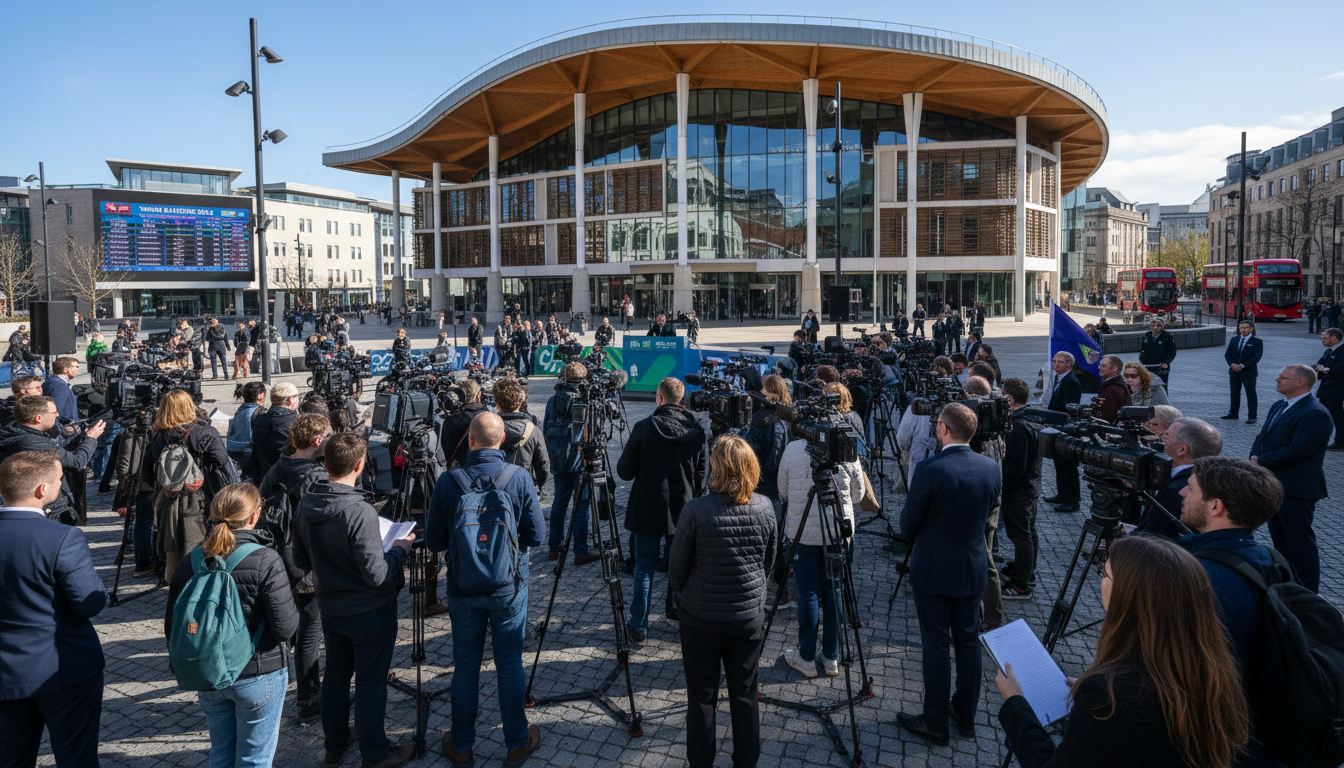
Labour entered the count expecting resilience, but the Wales outcome landed as a blunt shock for party managers. In the first wave of declarations, returning officers described decisive swings that ended long held patterns across key councils and constituencies. Live reactions from senior Labour figures focused on turnout and organisational gaps rather than policy, as activists warned that local operations had been outpaced on the ground. The scale of the reversal has intensified scrutiny of campaign discipline and message consistency. Today, Labour strategists are working through ward level results and volunteer logs to pinpoint what failed and where corrective resources can be deployed in the next cycle.
Reform Party’s Gains in England Explained
In England, Reform translated protest energy into seats by concentrating on councils where low turnout magnifies motivated blocs. The party framed itself as a clear alternative on cost pressures and border enforcement, while keeping its pitch simple enough for doorstep repetition. An Update from election analysts at the BBC highlighted the importance of local candidate visibility and disciplined targeting in marginal wards. Reform also benefited from opponents splitting the anti Reform vote in multi party contests, a pattern academics at the University of Exeter have previously modelled in local elections. Today, Reform organisers say they will professionalise data operations quickly to defend new footholds before the next set of ballots.
SNP’s New Dominance in Scottish Politics
In Scotland, the SNP leveraged incumbency and a unified field operation to reinforce dominance where opponents looked fragmented. The party has argued that devolved powers should be used more assertively on housing and public services, and it paired that with relentless constituency work. Live coverage from Holyrood correspondents described how the SNP kept its messaging tight, avoiding internal disputes during the final week. For a wider view of how parties are reading the moment across borders, Trump’s July 4 Deadline Stirs the EU Trade Deal Pot has been circulated in some briefings as a reminder that external shocks can quickly reshape domestic arguments, and update discussions now focus on whether rivals can build an equivalent ground game.
Implications for Keir Starmer’s Leadership
For Keir Starmer, the immediate political problem is that losses are being interpreted as a verdict on leadership rather than a mid cycle correction. Several MPs told Sky News that discipline and clarity must improve, while party officials insisted the campaign will be retooled without changing core priorities. Inside Westminster, uk election 2026 results are already being used by internal critics to demand sharper accountability and faster decision making. A detailed look at the Wales fallout has also circulated, including Labour Faces Welsh Senedd Defeat After 100 Years, as strategists compare local field performance with national messaging. Live scrutiny will intensify at the next parliamentary session and committee appearances.
Future Political Landscape in the UK
The next phase is likely to be defined by tactical competition rather than broad ideological shifts, as parties chase the same persuadable segments with sharper micro messaging. Analysts at the Institute for Government have noted in recent briefings that fragmented party systems raise the value of coalition building at local level, even when formal alliances are denied. In that environment, uk election results 2026 and uk election 2026 narratives will be contested daily across broadcast and social channels, with UK election results used as quick proof points by every side. Today, campaign teams are treating each by election as a test lab for messaging and turnout methods, including contests in places such as Birmingham and Bristol. Update planning is moving toward candidate recruitment, donor confidence, and rapid response capacity for the next contests.