Entertainment
Royals regain sparkle with confident US visit tour
Royal family US visit coverage tracks a crisp itinerary, strong public reactions, and shifting media narratives, pointing to more confident royal tours ahead.

Royal Visit Itinerary Reveals Key Highlights
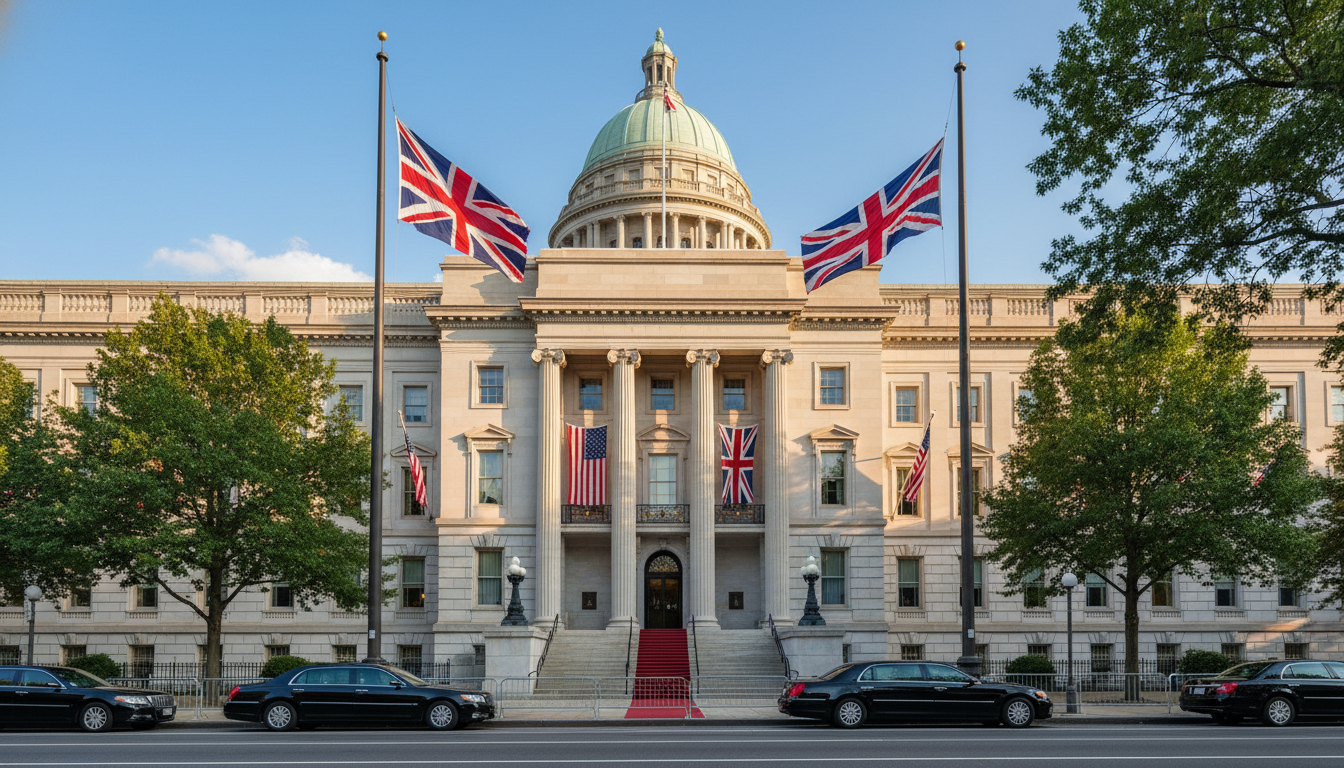
Washington and New York set a brisk pace for the delegation, with aides briefing UK broadcasters on tight timings and clear messages. Midway through the schedule, the Royal family US visit drew focus toward ceremonial welcomes, cultural stops, and business roundtables framed as soft power rather than celebrity. Today, palace logistics emphasised short walkabouts and longer closed door meetings, a format that reduced crowd bottlenecks while keeping cameras fed. Live pool footage showed repeated handshakes and brief exchanges that avoided off script detours. An Update circulated among correspondents noted staff were keeping engagements compact to preserve energy for evening receptions. The most important work was presented as listening, not lecturing.
Public Reactions Surpass Expectations
Crowd control and tone mattered as much as the venues, and organisers leaned into visibility without inviting chaos. In the afternoon, a portal explainer on global news cycles was shared by several editors to contextualise the busy US media environment around the visit, Supreme Court curbs race use in electoral maps. The Guardian also highlighted how entertainment audiences consume celebrity narratives, in a separate feature, The Pitt wildest fan theories, illustrating why royal optics compete with streaming chatter. Today, Live street interviews carried by major US networks showed friendly curiosity rather than hostility. An Update from UK desks said the calmer reception helped the team project competence. Many onlookers praised small gestures and quick smiles.
Analyzing the Monarchy’s Global Impact
Diplomacy analysts treated the trip less as glamour and more as a test of whether the institution can still travel effectively without becoming a distraction. The British royal family pitch was disciplined, and in mid coverage the King Charles US visit theme was framed by UK commentators as continuity with Commonwealth style outreach, not a partisan intervention. Today, Live transcripts from televised arrivals showed hosts stressing shared history, while UK anchors kept returning to trade, climate and veterans causes as safer ground. For domestic context on how public institutions are judged under pressure, Starmer blocks inquiry call, but fallout remains offers a parallel lens. An Update from political editors underscored that symbolism works best when it points outward to partnerships rather than inward to family drama. The trip signalled steadier messaging discipline.
The Role of Media in Royal Coverage
Broadcast choices shaped what felt like momentum, with US morning shows prioritising visuals and UK outlets parsing every line of protocol. Producers pushed the US trip spectacle angle, yet editors often balanced it with policy adjacent context when reliable material was available. In a media side note on how narratives are built from fragments, The Guardian game feature 007 First Light inside story described how audiences latch onto character cues, a dynamic also visible in royal coverage. Today, Live studio panels compared wardrobe, body language, and photo backdrops, then pivoted to charity meetings once footage proved thin. An Update issued to press packs clarified pool positions and reduced jostling. The result was less frenzy and more coherent reporting.
What This Means for Future Royal Tours
Planners will likely take away a simple lesson, keep programs tight, content rich, and risk managed, especially when the media cycle is volatile. The Royal family US visit served as a rehearsal for how royals abroad can stay visible while limiting moments that spawn distracting side stories. Today, Live scheduling tools and pre agreed camera access appeared to reduce the incentive for speculative commentary, and an Update rhythm from aides kept correspondents aligned on where and when to file. That discipline matters as budgets and security expectations rise, and it helps officials decide which cities offer workable street access. With the basics handled, future tours can prioritise credible partnerships and long term causes. The approach points to fewer stumbles and a more professional public presence.