Latest News
McSweeney Admits Pressure to Speed Up Mandelson Ambassador Process but Denies Vetting Irregularities

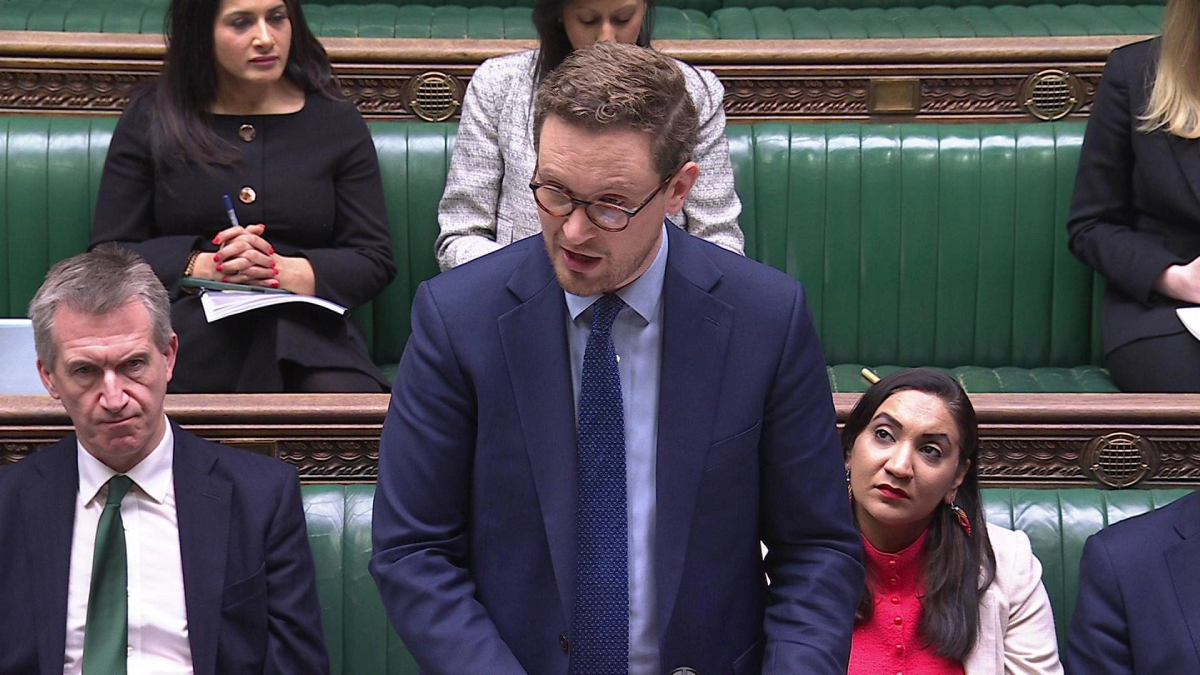
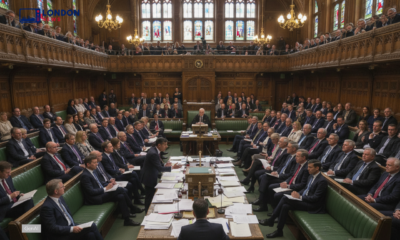
Morgan McSweeney, the former chief of staff to Prime Minister Keir Starmer, has acknowledged that Foreign Office officials faced strong pressure to accelerate the appointment process of Peter Mandelson as UK ambassador to Washington, while firmly rejecting claims that any security vetting procedures were bypassed. His comments came during a parliamentary appearance in which he was questioned about the handling of senior diplomatic appointments and the level of influence exerted from Downing Street during the process.
McSweeney told MPs that while there was an expectation for officials to work quickly, there was never any instruction to reduce standards or remove safeguards. He said there was a clear distinction between urgency and improper conduct, stressing that requests made from his office were focused on efficiency rather than altering established procedures. According to his testimony, the aim was to ensure timely completion of the appointment process without compromising the integrity of formal checks.
The former chief of staff said he had communicated with senior Foreign Office officials, including the department’s then permanent secretary Philip Barton, to encourage progress “at pace”. However, he insisted that at no point were officials asked to skip any steps or weaken the vetting process. He told MPs that maintaining proper procedure remained essential and that the integrity of the system was never questioned or undermined during discussions.
Despite these assurances, McSweeney’s appearance before Parliament has reignited political scrutiny over how senior diplomatic roles are managed and whether informal pressure from political figures can influence administrative processes. Opposition figures and some MPs have raised concerns about whether the drive for speed in high profile appointments risks creating undue pressure on civil servants responsible for security and compliance checks, particularly in sensitive international postings.
The controversy has added further pressure on the government as it faces wider questions over internal decision making and accountability in senior appointments. McSweeney, who stepped down earlier this year amid related scrutiny, maintained that he had no direct involvement in vetting decisions concerning Peter Mandelson’s appointment and reiterated that all procedures were followed correctly. The debate is expected to continue as parliamentary committees consider whether further investigation or referrals are necessary to clarify how the process was managed at the highest levels of government.