Latest News
London Councils Face £200m Social Care Overspend as Financial Pressures Deepen

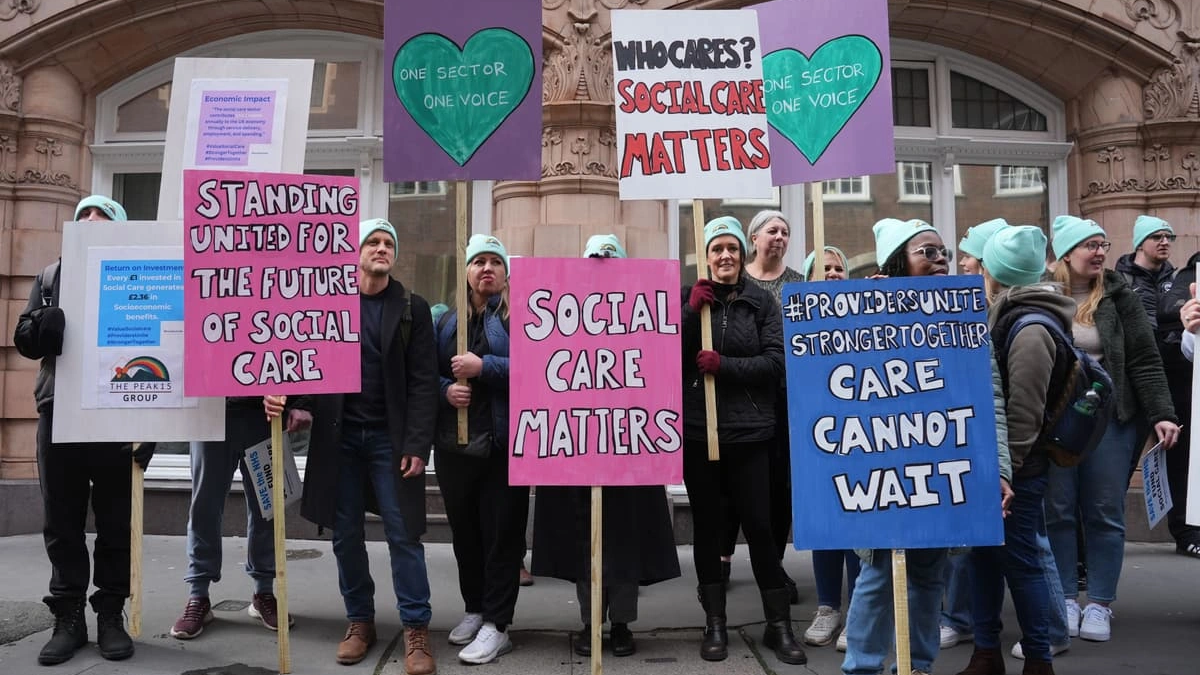
London’s local authorities are facing mounting financial strain after overspending by £200 million on adult social care, raising fresh concerns about the sustainability of essential public services across the capital. The warning comes from London Councils, which represents all 32 boroughs, and highlights how rising demand for care among older residents is placing unprecedented pressure on already stretched budgets. As councils prepare for upcoming local elections, the growing financial burden is emerging as a defining issue for policymakers and communities alike.
Adult social care, a statutory responsibility that councils are legally required to fund, has become one of the largest and fastest growing areas of expenditure. Increased life expectancy, complex health conditions, and higher care costs have combined to drive spending beyond planned budgets during the 2025 to 2026 financial year. This overspend is not an isolated incident but part of a broader trend that is steadily reshaping how councils allocate resources, forcing difficult decisions about where cuts or reallocations may be needed.
The impact of rising social care costs extends far beyond a single service area. Because statutory duties must be prioritised, councils are left with less flexibility to fund discretionary services such as community programmes, housing support initiatives, and local infrastructure projects. This shift is already being felt across London, with many boroughs warning that the quality and availability of non essential services could decline if financial pressures continue to intensify. The balancing act between meeting legal obligations and maintaining broader community support systems is becoming increasingly difficult.
Looking ahead, the financial outlook appears even more challenging. London Councils has projected a cumulative funding gap of £4.7 billion between 2025 and 2029 for boroughs and the City of London, a figure that has more than doubled compared with earlier estimates. This widening gap reflects both rising demand for services and uncertainty around future government funding levels. Without significant intervention or reform, local authorities warn that they may struggle to maintain current service levels, potentially leading to deeper budget deficits and long term financial instability.
The issue is gaining urgency as all 32 boroughs approach local elections scheduled for early May, where voters will choose councillors to serve the next four years. The financial pressures linked to social care are expected to feature prominently in political debates, with candidates likely to face questions about how they plan to manage budgets while protecting vital services for vulnerable residents. The situation underscores a broader challenge facing urban governments, where demographic changes and economic constraints are colliding to reshape the future of public service delivery.