Business
Asda Fuel Prices: 150p Pump Pressure in UK
Asda fuel prices are under scrutiny as petrol tops 150p. We examine profiteering claims, the Middle East conflict impact, and Easter travel expenses for UK drivers.

Overview of Fuel Price Surge
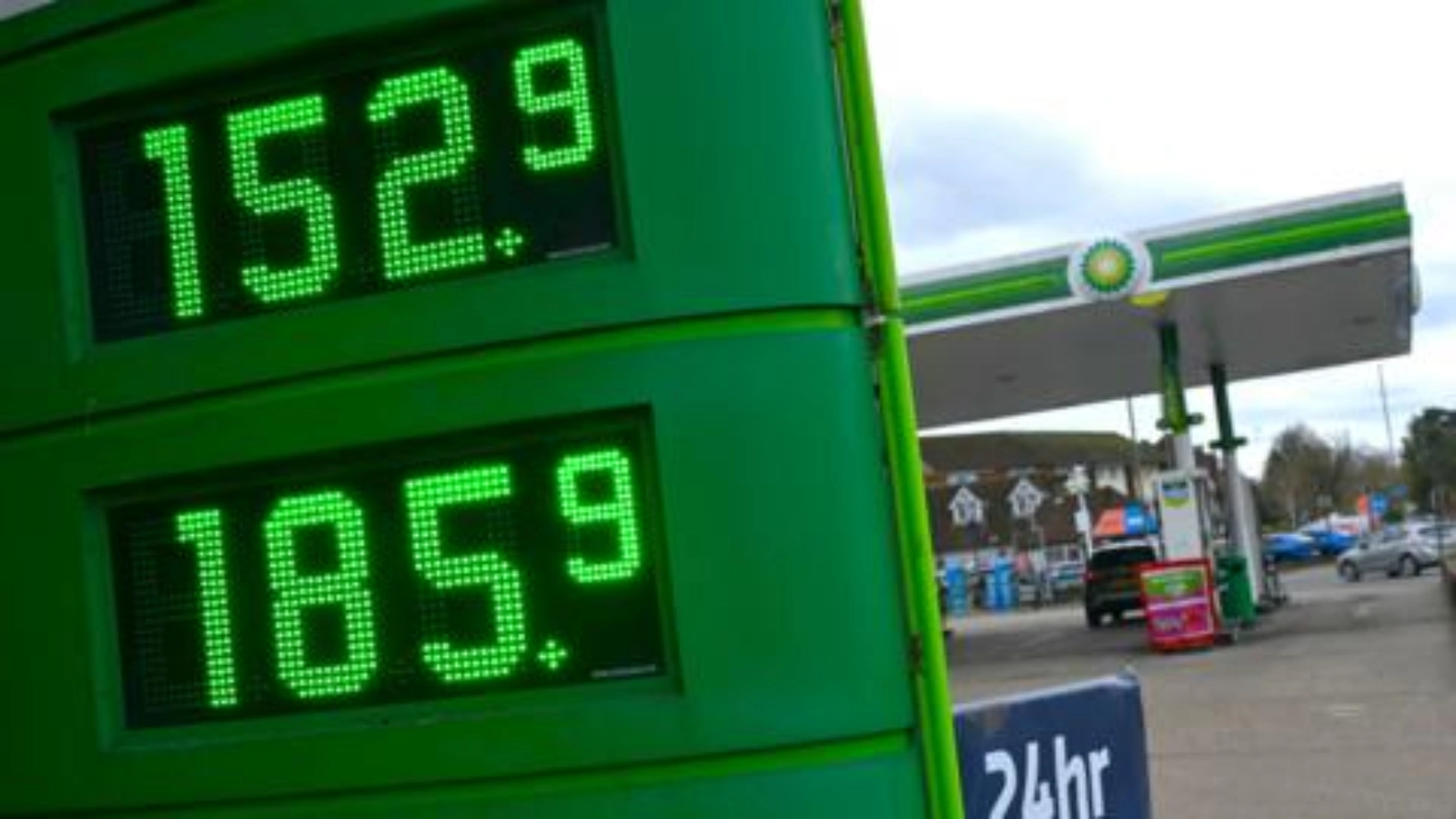
Asda fuel prices moved back into the spotlight as UK pump levels pushed above 150p a litre, sharpening comparisons between supermarket forecourts and the wider market. The jump has landed at a moment when motorists track daily swings more closely than ever, because even small rises translate into immediate weekly costs. Industry watchers link the latest move to stronger wholesale values and more cautious pricing by retailers that had previously been cutting hard to win volume. For context and timeline, national reporting on the row around Asda’s pricing has been carried by BBC coverage of Asda’s petrol price response, setting the frame for claims, rebuttals, and what drivers should realistically expect at the pump.
Asda’s Response to Profiteering Claims
Asda’s leadership has rejected accusations that the retailer is profiting unfairly from the latest rise, arguing that margins at the pump remain tight and that changes reflect underlying costs rather than opportunism. That defence matters because Asda has historically acted as a price-setter in UK fuel, with rivals often moving after its adjustments; any perception that it is holding prices higher than necessary can ripple quickly across the sector. The dispute also plays into how consumers judge value across a full basket, not only fuel, as supermarket brands compete on trust. Separate pressure on household budgets has already been tied to conflict-driven cost shocks in other sectors, including in coverage of European retailers warning on rising costs, which reinforces why pump pricing becomes such a visible flashpoint.
Middle East Conflict’s Role in Price Hike
The Middle East conflict impact is most clearly felt through crude benchmarks, refined product pricing, and insurance or freight considerations that can inflate the delivered cost of fuel before it ever reaches a UK terminal. Even when supply is not physically interrupted, risk premiums can reprice oil and key products such as petrol and diesel, and that filter works its way through wholesale contracts with a lag that confuses drivers watching pump boards in real time. Analysts typically focus on whether volatility persists long enough to reset retail baselines rather than causing a brief spike. For broader energy-market data and commentary that tracks these movements, the Energy Institute’s market and policy resources provide a useful reference point for how geopolitical risk translates into costs across the energy system.
Impact on UK Motorists During Easter
UK petrol costs bite hardest when travel demand is non-negotiable, and Easter travel expenses tend to expose that pressure because journeys are longer, discretionary spending is already stretched, and timing is fixed. The practical effect is not just a higher total fill cost, but a narrower margin for households managing food, accommodation, and entertainment in the same week. Regional disparities also matter: drivers in rural areas and along motorway corridors often face higher prices than those with multiple supermarkets competing nearby, so holiday routes can be more expensive than day-to-day commuting. Consumer groups have repeatedly urged motorists to plan purchases and compare local sites, and the RAC’s fuel and driving advice remains one of the most widely cited sources for interpreting these patterns without overstating short-term moves.
Future Outlook on Fuel Prices
Near-term direction will be shaped by whether wholesale values cool, how quickly retailers pass through any reductions, and whether competitive dynamics reassert themselves after the current scrutiny. If crude and refined prices stabilise, the key question becomes the speed of adjustment at the pump, because delayed cuts create political heat even when the economics are straightforward. Watch also for knock-on effects in wider inflation narratives, as fuel can influence transport costs and sentiment well beyond forecourts. In the UK, the conversation is already intertwined with the government’s broader assessment of household impacts from international tensions, reflected in reporting on ministerial talks over conflict-related pressures. For Asda, holding credibility will depend on transparent pricing moves that track costs closely as conditions change.