Business
FTSE 100 rises as investors bet on easing Middle East tensions and assess inflation outlook

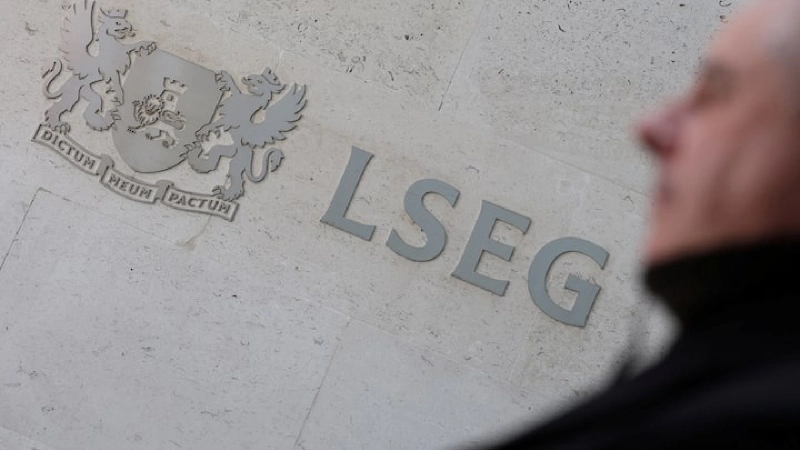
London’s FTSE 100 closed higher as investor sentiment improved on expectations that tensions in the Middle East could ease, reducing pressure on global markets. The benchmark index gained 1.4 percent, while the FTSE 250 added 1.6 percent, reflecting broader optimism across UK equities. Market participants reacted to signals that diplomatic efforts may prevent further escalation in the Gulf region, helping stabilize energy prices and ease concerns about prolonged economic disruption. The gains came alongside fresh inflation data, which investors also factored into their outlook for interest rates and growth.
The rally was supported by strong performance in key sectors, particularly mining and banking stocks, which delivered significant contributions to the index’s upward movement. Mining companies benefited from rising gold prices, as easing oil costs helped calm inflation fears and supported demand for safe haven assets. Banking shares also advanced, reflecting expectations that interest rates could remain elevated for longer, supporting margins. However, energy stocks showed mixed performance, with oil prices softening on hopes of a ceasefire, limiting gains in the sector and weighing slightly on major players.
Investors are closely monitoring geopolitical developments as they assess the potential impact on global energy markets and inflation. Oil prices have been highly sensitive to the situation, with recent declines suggesting that supply disruptions may be less severe than initially feared. This has helped reduce immediate inflation concerns, although analysts warn that uncertainty remains. The UK economy is particularly exposed to energy price fluctuations, and any sustained increase could quickly feed into consumer costs and business expenses.
At the same time, inflation data released earlier showed that price growth remained steady, reinforcing expectations that the central bank may maintain a cautious approach to monetary policy. Markets are currently pricing in the possibility of multiple interest rate increases this year, although policymakers have indicated that decisions will depend on evolving economic conditions. The combination of steady inflation and geopolitical uncertainty has created a complex environment for investors, who are balancing risks with opportunities in different sectors.
Corporate developments also influenced market performance, with notable movements among individual companies. Online fashion retailer ASOS saw its shares surge after reporting a sharp increase in profits, driven by cost reductions and improvements in its digital platform. In contrast, energy firm EnQuest declined after maintaining its production outlook despite facing pressure from domestic tax policies. These mixed results highlight the varied impact of economic conditions across industries, even as the broader market trends upward.
The current market momentum reflects a shift in investor focus toward potential stabilization in global conditions, particularly in relation to energy supply and geopolitical risks. While uncertainty remains, the prospect of reduced tensions has provided short term relief, supporting equity markets. Analysts note that sentiment could change quickly depending on developments in the Middle East, making volatility a key feature of the current environment.
As trading continues, attention will remain on both international developments and domestic economic indicators, including inflation and central bank policy signals. Investors are expected to remain cautious, with positioning likely to adjust as new information emerges. The FTSE 100’s recent gains underscore how sensitive markets are to geopolitical signals, especially when they intersect with inflation and interest rate expectations.