Business
UK house price growth slows to weakest pace since late 2024 as property market cools

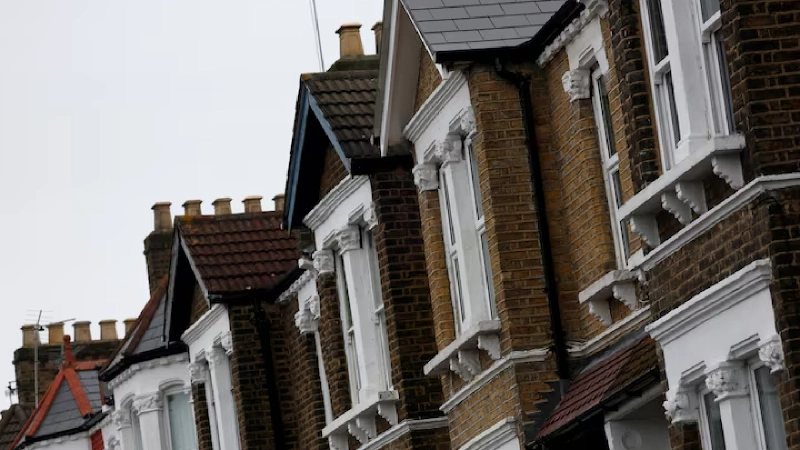
House price growth in the United Kingdom eased to its slowest pace in several months in January, signaling a cooling trend in the property market after a period of steady increases. Official data shows that annual house price inflation dropped to 1.3 percent, down from 1.9 percent in December, reflecting softer demand and ongoing affordability pressures. The average property price now stands at around 268,000 pounds, indicating modest gains but a clear slowdown compared to previous momentum. Analysts say the shift highlights growing caution among buyers as borrowing costs and economic uncertainty continue to influence purchasing decisions.
The latest figures suggest that higher mortgage rates and tighter financial conditions are beginning to weigh on housing activity. Although the market has not entered a downturn, the reduced pace of growth points to a more balanced environment following strong price rises in earlier periods. At the same time, rental prices have shown relative stability, with private sector rents increasing by 3.5 percent annually in February, unchanged from the previous month. This steady rental growth suggests continued demand for housing, particularly among those unable to enter the property market.
Economists note that affordability remains a key factor shaping housing trends, as rising living costs and limited wage growth constrain purchasing power. While interest rates have stabilized compared to previous peaks, they remain high enough to limit borrowing capacity for many households. This has led to a slowdown in buyer activity, particularly among first time purchasers. In addition, stricter lending criteria and cautious sentiment among lenders have contributed to a more measured pace of transactions across the housing sector.
The moderation in house price growth also reflects broader economic conditions, including uncertainty linked to global events and domestic policy changes. Market participants are closely watching inflation trends and potential shifts in monetary policy, which could influence future mortgage rates. A sustained period of elevated borrowing costs would likely continue to suppress demand, while any easing could provide support to the housing market. The balance between these factors will play a crucial role in determining the direction of prices in the coming months.
Housing supply dynamics are also influencing the market, with limited availability of new properties adding complexity to pricing trends. While demand has softened, supply constraints have prevented sharper declines in prices, keeping the market relatively stable. Developers and policymakers are under pressure to address long term housing shortages, which remain a structural issue across the country. This imbalance between supply and demand continues to shape both the ownership and rental segments of the market.
The current environment reflects a transition phase for the UK housing sector, moving away from rapid price growth toward a more sustainable trajectory. Buyers are becoming more selective, and sellers are adjusting expectations in response to changing conditions. Analysts suggest that while the slowdown may reduce short term gains, it could improve market stability over time. The resilience of rental demand also indicates that housing needs remain strong despite shifting economic conditions.
Looking ahead, attention will focus on how interest rates, inflation, and economic growth interact to influence the property market. Policymakers are expected to monitor these trends closely, particularly as housing plays a key role in consumer confidence and overall economic activity. The latest data suggests a cautious outlook, with moderate growth likely to continue unless there are significant changes in financial conditions or policy direction.