News
UK Seeks Diplomatic Path as Starmer Resists Military Escalation in Iran Conflict

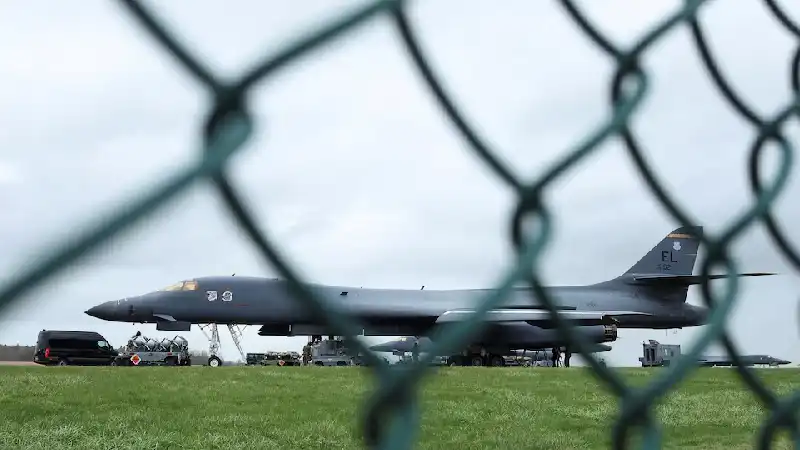
Britain will not be drawn into a wider war involving Iran, Prime Minister Keir Starmer said as tensions in the Middle East continue to disrupt global energy markets and shipping routes. Speaking in London, Starmer stressed that the United Kingdom is working closely with international partners to find a practical way to reopen the Strait of Hormuz, one of the world’s most important energy corridors. The narrow waterway between Iran and Oman carries a significant share of global oil and liquefied natural gas shipments. Its disruption has pushed energy prices sharply higher, raising concerns about economic stability and the cost of living for households across Britain.
The prime minister acknowledged that restoring normal shipping traffic through the strait will be a complex challenge that requires coordination between multiple countries. Instead of rushing into military action, Britain is focusing on diplomatic engagement and collective planning with European allies and other global partners. Starmer explained that any decision about security operations in the region would need broad international agreement rather than unilateral moves. The government’s priority remains maintaining global energy stability while avoiding a deeper conflict that could further destabilize the region and create long term risks for international trade.
Energy prices have become one of the most immediate consequences of the crisis. The disruption to shipping routes in the Gulf has pushed crude oil prices above one hundred dollars per barrel, triggering fears of rising energy bills and renewed inflation pressure. Starmer said his government is determined to protect households from the financial impact of the conflict. The government has announced an initial support package worth 53 million pounds aimed at helping vulnerable households that rely on heating oil. Officials say the measure is designed to shield those most exposed to sudden increases in energy costs while the situation in the Middle East remains uncertain.
Starmer also addressed criticism surrounding Britain’s decision not to participate in early military strikes linked to the conflict. Some international voices, including figures in the United States, have questioned the UK’s cautious approach. The prime minister responded by emphasizing that protecting British national interests and avoiding unnecessary escalation remain central to his strategy. He confirmed that he recently held a conversation with US President Donald Trump and described the discussion as constructive. According to Starmer, the two leaders spoke openly about the situation and reaffirmed the importance of cooperation between longstanding allies.
The Strait of Hormuz has long been considered one of the most strategically important maritime routes in the world. Roughly one fifth of global oil shipments normally pass through the waterway, making it a vital link for energy supplies to Europe and Asia. Any disruption quickly affects global markets, fuel prices and shipping insurance costs. Analysts warn that if tensions persist, the impact could spread beyond energy markets to affect transportation costs, supply chains and broader economic growth. Governments across Europe and Asia are therefore monitoring the situation closely while considering diplomatic and security responses.
Britain’s approach reflects growing caution among several international partners. Some countries have already signaled reluctance to send naval forces to the region as part of any potential military operation. Policymakers argue that a coordinated diplomatic solution could be more effective than a rapid escalation that risks widening the conflict. Within the UK government, officials are also examining other options that could contribute to maritime security, including advanced mine detection systems and cooperative monitoring efforts designed to protect commercial shipping.
Despite tensions surrounding the conflict, Starmer insisted that relations between Britain and the United States remain strong. He said discussions with American leadership continue as both sides assess possible strategies for stabilizing the region. For now, the British government is focusing on diplomatic engagement, energy market stability and protecting domestic households from rising costs. Officials say further economic measures could be considered if the crisis continues to influence global oil markets in the months ahead.