
Entertainment
Streaming Wars Continue as UK Viewers Decide Which Subscription to Cancel Next

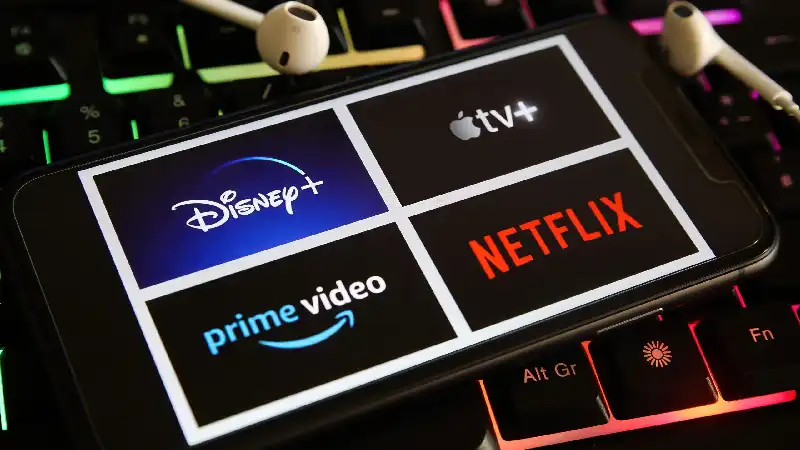
Streaming platforms have transformed entertainment consumption across the United Kingdom over the past decade, but the rapid expansion of digital subscriptions is beginning to create a new challenge for viewers. As more companies launch their own streaming services, British households are increasingly forced to choose which platforms are worth keeping and which ones to cancel. Rising living costs and the growing number of subscription options are driving a trend known as subscription fatigue. Many viewers now reassess their entertainment spending each month, comparing content libraries, pricing and exclusive shows before deciding which service remains in their digital lineup.
Subscription Fatigue Changes Viewing Habits in Britain
The rise of streaming platforms initially gave viewers greater flexibility compared with traditional television packages. Audiences could watch films and television series on demand without being tied to broadcast schedules. Over time, however, the growing number of streaming services has created a fragmented landscape where popular shows are spread across multiple platforms.
For many households, maintaining several subscriptions at once has become expensive. Viewers who once subscribed to a single service now face a marketplace filled with competing platforms offering exclusive content. As subscription costs accumulate, consumers are becoming more selective. Instead of maintaining every service throughout the year, many viewers rotate subscriptions depending on which platform currently offers the most appealing content.
Competition Intensifies Among Major Platforms
Major streaming companies continue to compete aggressively for audiences in the United Kingdom. Global platforms such as Netflix, Disney and Amazon Prime Video invest heavily in original productions and exclusive licensing agreements in order to attract and retain subscribers. These companies regularly release high profile series and films that are designed to generate global attention.
The competition has encouraged streaming services to expand their content libraries and invest in local productions aimed at British audiences. UK based films, documentaries and television series are increasingly featured on international platforms as companies attempt to strengthen their presence in the British entertainment market. Exclusive content remains one of the most important factors influencing which platform viewers choose to keep.
Price Sensitivity Influences Consumer Decisions
While exclusive programming can attract viewers, subscription price remains a significant factor in consumer decision making. With multiple streaming services competing for monthly payments, viewers often evaluate whether a platform offers sufficient value for its cost. When subscription fees rise or content offerings decline, consumers may decide to cancel or pause their membership.
This price sensitivity has become more visible during periods of economic uncertainty. Households that are carefully managing budgets often reduce non essential spending, and entertainment subscriptions can fall into that category. Streaming services therefore face the challenge of maintaining subscriber loyalty while balancing the costs of producing high quality content.
Content Strategies Continue to Evolve
Streaming companies are experimenting with different strategies to retain audiences. Some platforms are expanding advertising supported tiers that offer lower subscription prices in exchange for limited commercial interruptions. Others are focusing on franchise based storytelling that encourages long term viewer engagement through multiple seasons or interconnected storylines.
Technology also plays a role in how streaming services compete. Recommendation algorithms and personalized content feeds help platforms highlight programs that viewers are more likely to enjoy. By improving user experience and content discovery, companies hope to keep subscribers engaged even as competition across the streaming market intensifies.
Traditional Media Adapts to the Digital Era
The rapid growth of streaming has also influenced how traditional media companies operate. Television networks and film studios have launched their own digital platforms in order to maintain direct relationships with audiences. This shift reflects a broader transformation in the entertainment industry where digital distribution is becoming the primary method for delivering content.
For viewers, this evolution offers both opportunities and challenges. The variety of available programming has never been greater, but managing multiple subscriptions requires careful choices. As the streaming market continues to expand, consumers are likely to remain selective about which platforms earn a permanent place in their monthly budgets.
Conclusion
The competition among streaming platforms in the United Kingdom continues to intensify as viewers balance entertainment preferences with subscription costs. With more services offering exclusive content and new pricing strategies, British audiences are increasingly deciding which subscriptions to keep and which ones to cancel.



