Tech
UK Government Maintains Talks With US on Proposed Technology Deal

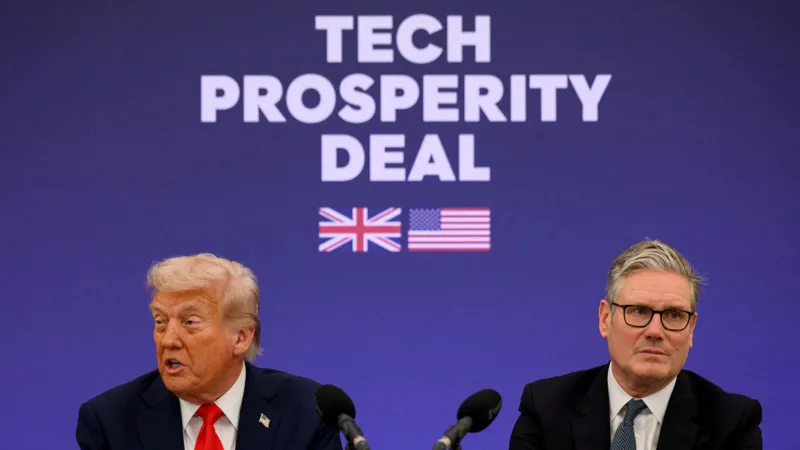
Downing Street Stresses Negotiations Are Ongoing
Downing Street has insisted that negotiations between the United Kingdom and the United States over a major technology partnership remain active, despite growing signs of friction behind the scenes. A spokesperson said the UK continues to hold discussions with US counterparts across multiple levels of government, signaling that the door remains open to progress. The reassurance comes amid reports that talks have slowed, raising questions about the future of the proposed agreement.
The Technology Prosperity Deal Explained
The negotiations center on the Technology Prosperity Deal, a wide ranging framework intended to deepen cooperation between the two countries in advanced technology sectors. When the initiative was unveiled during US President Donald Trump’s state visit to the UK in September, it was described as historic by officials on both sides. The agreement was positioned as a cornerstone of post Brexit economic strategy, aimed at strengthening transatlantic ties in high growth industries.
Key Areas of Cooperation
Under the proposed deal, the UK and the US committed to expanding collaboration in fields such as artificial intelligence, quantum computing, and emerging digital infrastructure. Supporters argued that closer alignment in these areas would boost innovation, attract investment, and help both countries remain competitive against rivals such as China and the European Union. The agreement was also seen as a way to establish shared standards for next generation technologies.
Why Talks Have Reportedly Stalled
Despite public assurances, the BBC understands that negotiations have slowed due to concerns raised by US officials about what they view as broader UK trade barriers. These concerns are believed to extend beyond the technology sector, touching on regulatory and market access issues that Washington argues could limit the benefits of deeper cooperation. Such disputes have complicated efforts to finalize the framework and move toward concrete commitments.
Balancing Ambition With Trade Realities
The reported impasse highlights the challenge of separating technology cooperation from wider trade dynamics. While both governments have expressed enthusiasm for closer collaboration in cutting edge fields, differences over regulation and market openness continue to shape the discussions. For the UK, maintaining domestic standards and policy autonomy remains a priority, while the US is focused on ensuring favorable conditions for its companies.
Political Significance for Both Sides
The Technology Prosperity Deal carries symbolic as well as economic weight. For London, it represents an opportunity to reinforce the UK’s position as a global tech hub and a key US partner following its departure from the EU. For Washington, the deal fits into a broader strategy of building alliances around technology governance and supply chains. Any delay therefore has implications beyond the immediate negotiations.
Industry Watches Closely
Technology companies in both countries are closely monitoring the talks, aware that the outcome could shape investment flows and regulatory alignment for years to come. Firms working in artificial intelligence and quantum research have particularly strong interest, as cross border collaboration and data access are central to their growth. Prolonged uncertainty risks dampening enthusiasm and delaying joint projects.
What the Situation Signals
Downing Street’s insistence that talks remain live suggests that neither side is ready to abandon the deal. However, the gap between public messaging and reported behind the scenes challenges points to a more complex negotiation than initially expected. The coming months will be crucial in determining whether the two governments can bridge their differences and turn ambitious promises into a lasting technology partnership.