
News
David Walliams allegations: Met Police assess claims
Latest on david walliams allegations as Met Police assess information. What officers have said, possible next steps, and media limits.

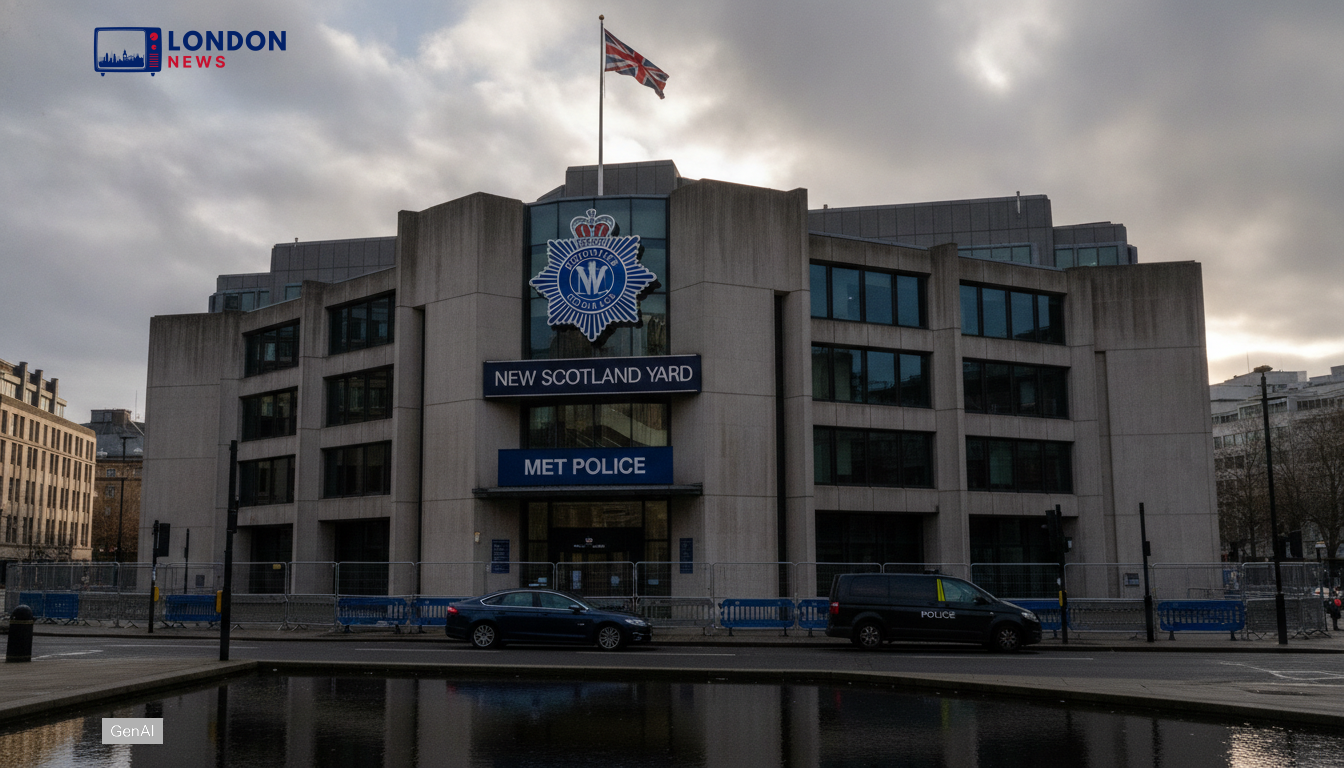
What we know about the claims involving David Walliams
The Metropolitan Police is reportedly assessing information linked to claims involving David Walliams after recent reports suggested officers were looking at allegations of serious sexual offences. According to the BBC, the matter is at an early stage, with police reviewing material rather than announcing any charge. Walliams, a well-known television figure and author, is attracting attention across broadcasting and publishing. Any next steps depend on how investigators assess the information, whether formal complaints are recorded, and whether lines of inquiry meet the threshold to proceed further, following usual police processes.
Met Police process and what “assessing information” means
Police statements have focused on procedure rather than outcomes, typical during an assessment. An assessment may include examining existing material, establishing timelines, and considering contacting complainants or witnesses. It may also involve safeguarding considerations and confirming jurisdiction, particularly for historic allegations or those involving multiple locations. Public interest has been driven by fast-moving online discussion, potentially amplifying claims without evidential testing. Institutions are under pressure to respond. In London, early-stage assessments often result in limited police updates confirming that information is under review.
Media coverage and public reaction around the allegations
Reaction is divided between calls for transparency and concerns about trial by media, with different tones across broadcasters, tabloids, and social platforms. The BBC has framed the story as a policing and legal process, focusing on confirmed details and avoiding unverified information. Outside traditional media, commentary often outpaces fact-checking, with viral posts potentially causing reputational damage even when key facts are disputed. UK outlets reporting on the David Walliams allegations navigate privacy, contempt, and defamation risks. Public debate can significantly influence institutional responses.
Legal implications and potential next steps
In the UK, an initial police assessment could evolve into a full investigation if officers find reasonable grounds. Prosecutors may later be involved to consider charges, depending on what investigators discover. Reporting should distinguish between verified police actions and untested claims online, as defamation law applies even to opinions or speculation. Courts may restrict publication under specific circumstances, depending on facts and procedural thresholds. Public interest might intrude on unrelated personal matters, although unnecessary intrusions are generally discouraged by the courts.
What to watch for as the story develops
For those following the case, significant updates will involve verifiable steps: recording a complaint, conducting interviews under caution, and whether the Crown Prosecution Service is consulted on a charging decision. Without these milestones, coverage may remain process-focused. Organisations in entertainment and publishing may internally assess risks, but such actions differ from criminal justice outcomes and are rarely detailed. This story highlights public scrutiny and protective measures in high-profile cases, a continual dialogue in public and legal discourse.