Entertainment
Johnny Marr guitar auction nears £4m landmark sale
The Johnny Marr guitar auction was reported as nearing £4m as collectors bid on The Smiths-era instruments, with documentation and tour use helping explain demand.

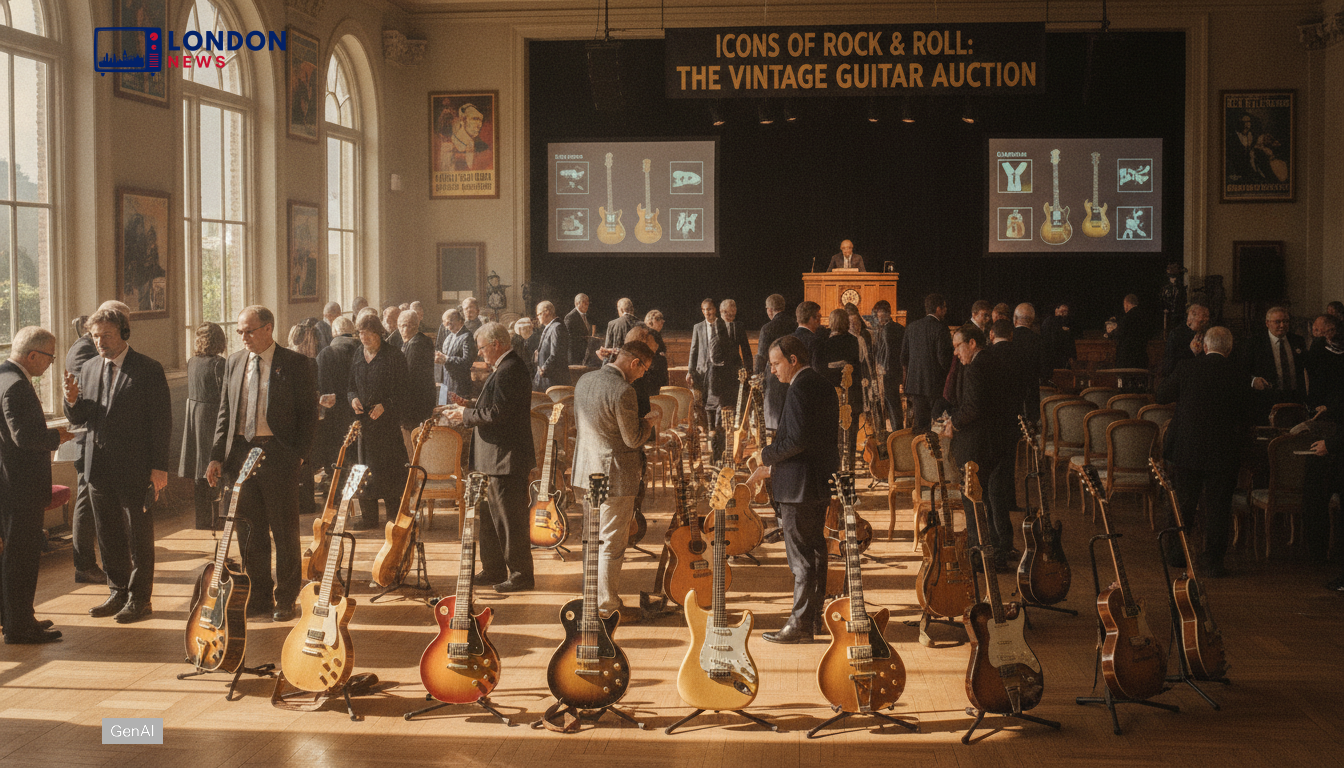
Johnny Marr guitar auction nears £4m in landmark sale
The Johnny Marr guitar auction drew intense bidding as collectors chased stage and studio instruments linked to The Smiths era and later work. During the sale, totals were reported by the auction house as nearing £4m, with multiple lots said by auctioneers to have risen past pre-sale estimates after prolonged bidding. Auctioneers said competition came from phone, online and in-room bidders, suggesting broad demand rather than a single headline buyer. Prices seemed to be bolstered by provenance paperwork, documented use on tours and in sessions, and technical details noted in the catalogue such as pickups, wiring changes and neck profiles. The overall result was presented by the auctioneer as further evidence that guitars tied to identifiable recordings can outperform condition-based expectations when their histories are verifiable and well-presented, according to available reports.
How provenance and documentation drove bidding
Specialists said the strongest lots were framed around traceable evidence, including serial number records, repair receipts, photographs and tech notes intended to anchor each instrument to a timeframe and purpose. That evidence-based pitch was used by the auction house to explain why bidders appeared willing to pay premiums for working gear rather than untouched examples, particularly in the UK, where inflation and fuel pressures have been tracked in coverage such as https://londonews.com/global-oil-supply-squeeze-lifts-uk-inflation-and-fuel/. The wider economic backdrop still matters for discretionary collectibles, but verified stories and clean paperwork can offset broader market hesitation.
What buyers were really paying for at the Marr guitar sale
Attention centred on how Marr’s working methods shaped what bidders believed they were buying: tools used to build arrangements, not just celebrity-owned objects. According to the auction catalogue notes, listings emphasised period-correct setups, modifications, and playing wear described as consistent with long-term use, which bidders reportedly treated as supporting evidence rather than flaws. Midway through the market discussion, editors linked the cultural moment to how artists build legacies and institutions, including https://www.theguardian.com/music/2026/sep/18/giggs-opens-send-school-in-kent-education-music-ehcp-provision. Collectors valued instruments with stories checked against recordings and tour histories, though the strength of that linkage can vary by lot.
The Smiths era demand and why it still commands premiums
For many buyers, pricing logic was described by auction commentary as tied directly to The Smiths’ enduring role in UK guitar music. Specialists at the sale linked specific instruments to signature textures, using session and tour context to argue why certain models mattered for particular songs, while acknowledging that precise drivers of price can be difficult to isolate. The Johnny Marr guitar auction narrative stayed anchored to verifiable credits, timelines, and consistency across catalogue claims and supporting materials. Bidders also weighed influence—how Marr’s parts shaped later bands and modern indie guitar tones—even if no single factor determines a hammer price, and in parallel collectibles markets, buyers have shown similar behaviour.
What this sale signals for future music memorabilia auctions
The outcome is being discussed by dealers as part of a broader shift in how music memorabilia is valued, with instruments increasingly treated like high-end assets rather than fan merchandise. Analysts and dealers said buyers are separating generic signed items from gear with traceable use that can be confirmed through photographs, tech logs, and consistent serial number records. In that environment, the Johnny Marr guitar auction may be cited as a proof point that documentation, not just a famous name, is what keeps international money engaged when stakes rise. Looking ahead, specialists said the next wave of high-performing sales may depend on better archiving by artists, estates, and venues, and on auction houses presenting specifications clearly enough for buyers to compare guitars like any serious collectible category, with London-based dealers referencing the £4m figure as a recent benchmark. Whether this becomes a wider trend will depend on future results, as indicated by available reports.