Business
Business rates reform review: pubs and hotels focus
Business rates reform is under review in England and Wales, with pubs and hotels tracking proposals that could alter bills, reliefs and valuations.

Business rates reform review: what the government is changing
Business rates reform is making headlines again as ministers revisit the never-ending saga of non-domestic property valuation. The hospitality sector, particularly, might feel the pinch. According to available reports, the review is sketched out in vague terms, eyeing up valuation rules, reliefs, and the frequency of revaluations. The goal? A nimble approach that mirrors high street shifts without just handing out short-term perks. Departments are whipping up plans that could head to consultation, with pubs and hotels keeping a keen eye on the situation, as these rates are a fixed cost that can morph significantly post-revaluation.
How pubs and hotels could be affected by business rates reform
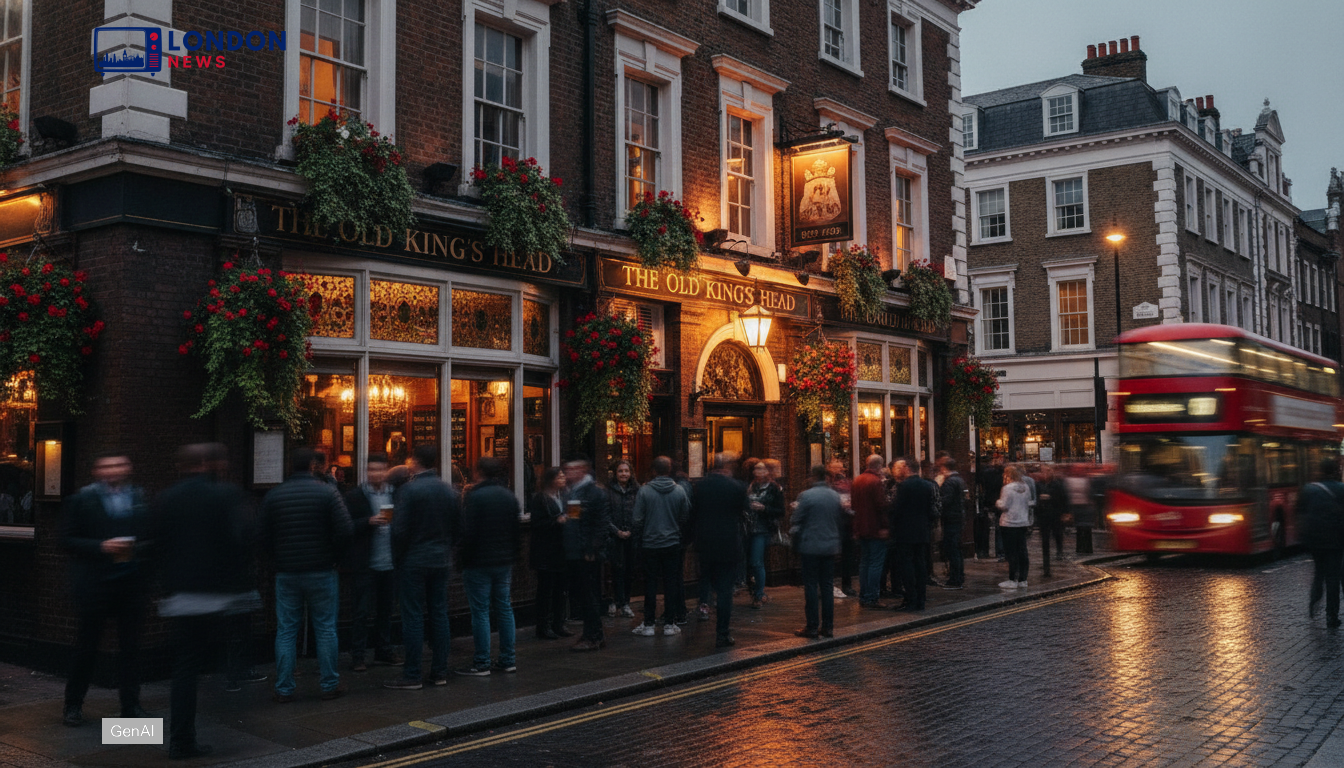
For pubs and hotels, the stakes are high: imagine your bills skyrocketing while your customers take a nosedive. That’s the worry, especially where rents and costs have been rollercoastering since 2020. The British Beer and Pub Association reckons the charge feels off-balance for local pubs compared to businesses with less property reliance. For a bit of context on financial woes, check out Portugal Corporate Loan Interest Rises for Fourth Month, which illustrates how borrowing costs can keep climbing—despite shaky demand. Meanwhile, over at Deadline, there’s chatter about household budget squeezes impacting pricing moves.
Stakeholders: councils, Treasury and industry groups
Industry groups are shouting for changes that match seasonal ups and downs and slim margins, while councils sound the alarm that unpredictable receipts could knock local services for six. The Association of Convenience Stores is on board with shifting away from property-based charges, and hospitality voices echo this, underlining that rates are a core part of the cost mix, alongside wages and energy. At the Treasury, potential reforms are typically put through the fiscal wringer, weighing regional impacts. Operators across England and Wales are tuned in, as the broader finance debate gets juicy coverage in Chancellor John Healey faces test as UK borrowing rises. Under current policy, revaluations wobble along a three-year cycle with the next buzz cut expected in 2026, according to official guidance.
What changes are being considered: revaluations, reliefs and valuations
The chatter around business rates reform has thrown up options like more frequent revaluations, new reliefs for smaller spots, and ideas of chucking more weight onto land values rather than buildings. The status of these proposals is anyone’s guess, hanging in the balance of government whims and public consultation. The Valuation Office Agency takes the wheel on setting rateable values in England and Wales, and the timeline is often grumbled about by the industry, with quicker cycles sparking uncertainty in trending neighbourhoods. Hotels are monitoring potential changes for mixed-use properties, with meeting spaces and leisure bits possibly tweaking assessments, as hinted in trade gabfests. For a related dose of labour market news shaking up hospitality costs, dip into UK graduate job market slows as vacancies plummet. There’s a call for reform to shrink inequities between sectors, though critics raise the alarm about complexity and skewed gains.
What happens next for operators and investors
Should the review unveil a promising plan, operators are hinting it might sway investment strategies, revamps, and staffing decisions. Clarity in long-term rules is the plea to spur town expansions without sudden cost hikes, while councils are eager for guarantees that changes won’t leave them reliant on random funds, based on industry chatter. Analysts point out that any rejigging in business taxation could throw a spanner in the landlord-tenant works, given that rate liabilities play into rent talks and lease nuances, especially for multi-site operators. Hotels are waiting to see if reforms gel with tourism plans and city centre regeneration dreams. The sector’s getting its submissions in order, calling for steady and fair rules across business types, with a heads-up in advance so businesses aren’t blindsided.