Entertainment
Edward Stourton dies at 68: tributes for UK broadcaster
Edward Stourton is reported to have died aged 68 in the UK. BBC and Channel 4 News colleagues recall his calm authority, strict editorial standards and Radio 4 legacy.

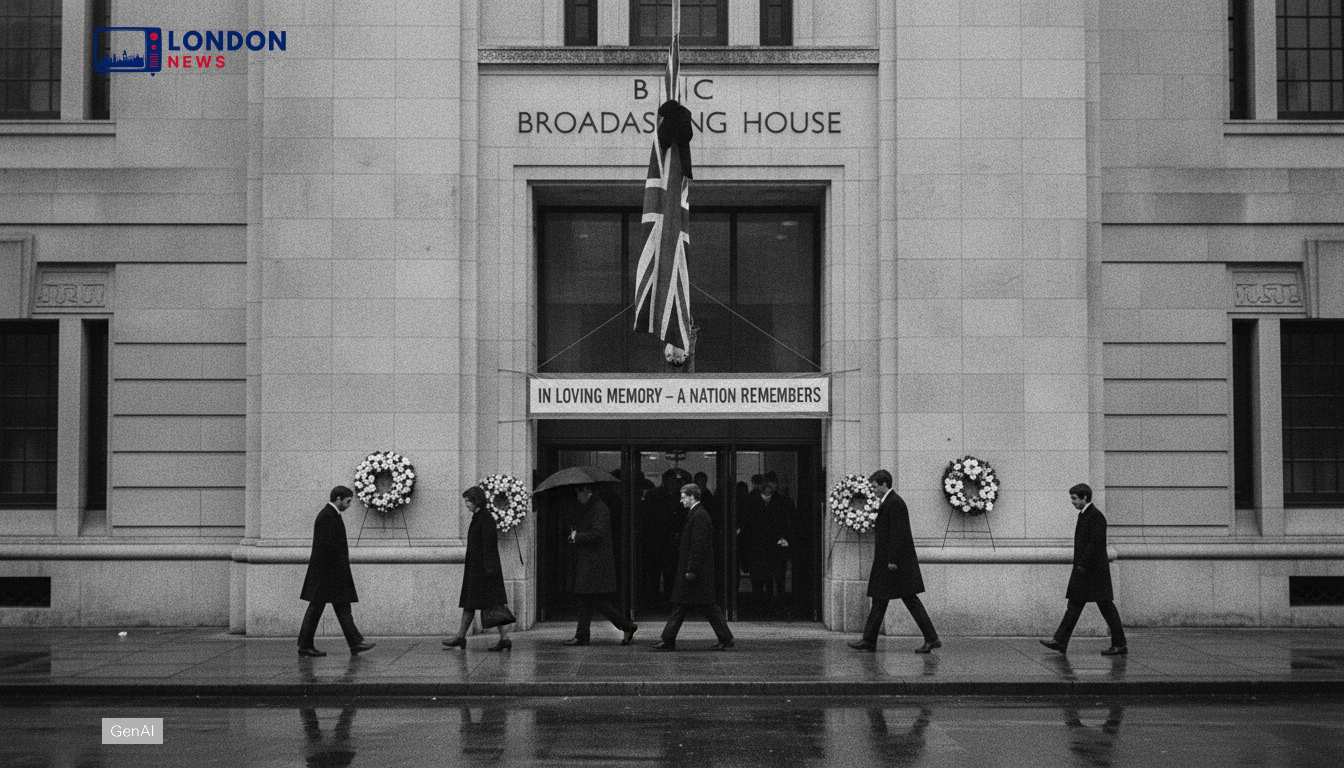
Edward Stourton dies at 68: tributes across UK media
Veteran broadcaster and journalist Edward Stourton is reported to have died aged 68, prompting tributes from across UK broadcasting. According to available reports, including indications from unnamed sources, the BBC confirmed the death on 20 July 2026, though details were still being shared in rolling updates at the time of publication. Former colleagues have described Edward Stourton as having a calm authority and an insistence on accuracy under pressure, according to posts and messages circulated among media staff. Those who worked with him said he avoided theatrics in political interviews, preferring clear questions and evidence-based follow-ups. Friends and collaborators recalled a meticulous approach to scripts and cues, with careful wording to remove ambiguity. Several producers said he mentored younger staff on verification, attribution and fairness, and that his influence could be felt in newsroom routines long after a programme went off air. The reaction has been swift and personal, rooted in shared memories of work done to high standards.
Radio 4 and the Today programme: his editorial standard
Tributes have focused on how Edward Stourton shaped Radio 4 output during periods of intense political scrutiny, particularly through senior roles linked to the Today programme, according to colleagues’ recollections shared publicly and privately. Colleagues recalled long editorial meetings where interview lines were refined to keep them tight, accurate and rooted in what could be proven on the day. They said his hallmark was separating opinion from reported fact, and keeping the temperature down even when the story demanded hard questioning. In a wider debate about how broadcasters balance performance with public service, commentators have compared styles with other high-profile moments in TV and radio culture, such as this best viral TV moments of the World Cup Guardian roundup of viral clips. Staff said his method was built on discipline rather than spectacle.
Channel 4 News founding era: building clarity over spectacle
Former Channel 4 staff highlighted his contribution to establishing newsroom routines that prized structure, running order discipline and on-air precision, based on recollections shared by alumni. In accounts circulated among colleagues, Edward Stourton was described as an organiser who pushed for documented sourcing before scripts were cleared and who insisted that wording could not outrun the evidence. For a contrast in how oversight and standards are discussed in other UK media and regulation contexts, see Ofcom investigation TikTok: UK probes child age checks and, as a cross-portal reference on how organisations communicate verified figures, Venezuelan earthquake death toll: 121 Portuguese. Some colleagues mentioned his interest in history and background, including occasional discussion of family references that circulated in newsrooms, but said he kept such detail separate from reporting priorities.
Colleagues describe newsroom mentoring and interview approach
Personal reflections on the broadcaster have centred on generosity in the studio alongside a rigour that could be bracing, according to condolences and messages shared by peers. Broadcasters said he would stay after programmes to review what worked, what lacked evidence and what phrasing could mislead listeners. For readers tracking how public institutions weigh reputational pressure against accountability, ongoing coverage of scrutiny in other sectors offers context, including China British Steel Nationalisation Dispute Intensifies. Political editors recalled interviews where he kept control without raising the stakes, applying the same method regardless of the guest’s party or status. In condolences and messages, some colleagues referenced family and friends while keeping details private, and stressed that his influence was practical rather than celebrity-driven. Those who worked with him said his example showed how careful editing protects audiences from confusion.
Legacy: what Edward Stourton left to British broadcasting
Editors and presenters have described Edward Stourton’s legacy as still visible in how programmes are made under deadline pressure, based on the themes repeated in tributes. The lessons repeated were consistent: be precise about what is known, attribute clearly, and treat interviews as a search for clarity rather than confrontation. For another angle on craft and restraint in long-form cultural reporting, the Matthew Broderick and Alan Ruck on Ferris Bueller’s Day Off Guardian interview has been cited as an example of careful tone. Several colleagues said he made seriousness accessible, without diluting the facts, and that this skill is harder to maintain in a faster media cycle. Others pointed to the way strong editorial standards can travel beyond one show or era, shaping how producers write scripts and how presenters frame questions. Tributes suggest his standards will outlast any single programme.