Business
China British steel nationalisation dispute in UK
UK ministers are considering public ownership options for British Steel as the china british steel nationalisation dispute sharpens focus on Scunthorpe output and supply-chain resilience beyond 2026.

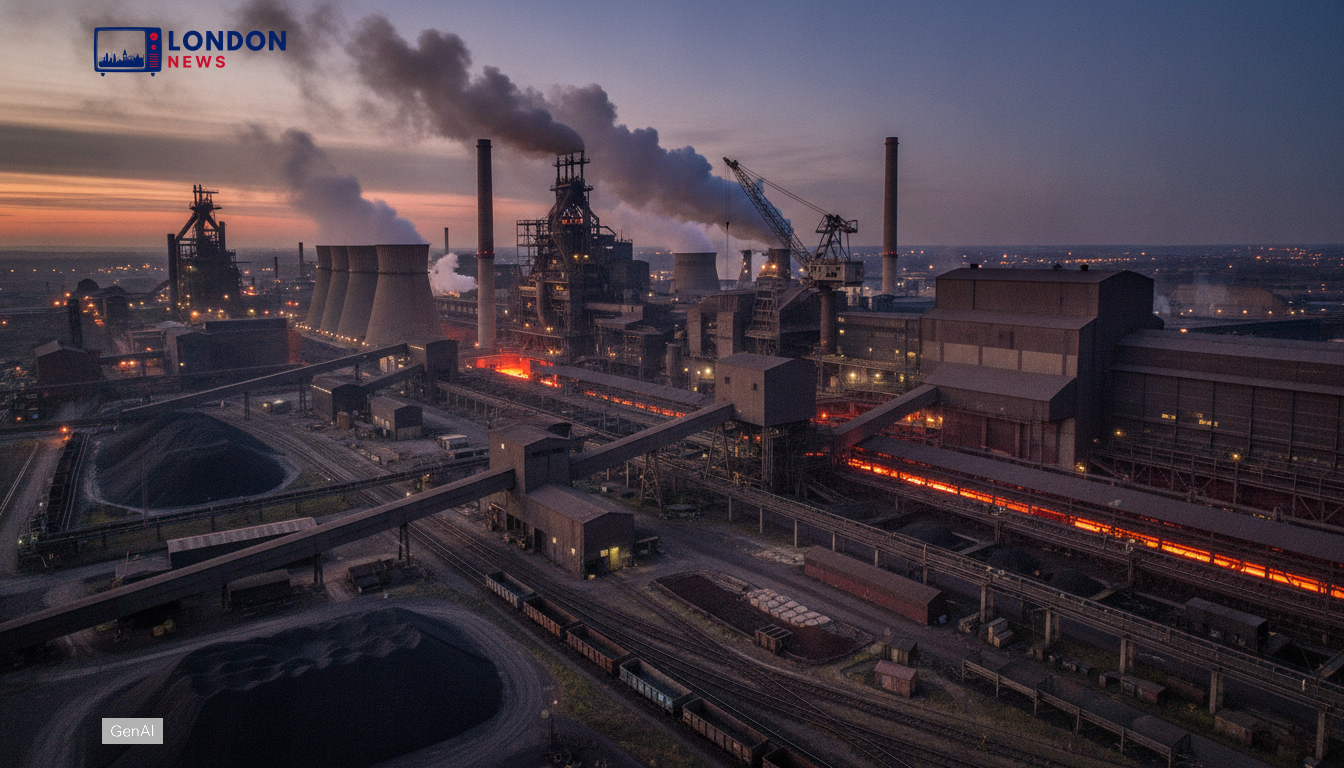
China British steel nationalisation dispute and UK move
Ministers have indicated they are considering taking British Steel into public ownership, arguing that stronger sovereign control may be needed to protect essential supply to UK manufacturers, according to statements made in Parliament and departmental briefings. In Parliament, the Department for Business and Trade framed the approach as a strategic intervention rather than a short term rescue, and said due diligence would inform the terms. The china british steel nationalisation dispute is now central to the politics of industrial policy, with officials citing continuity risks for UK production. Executives and unions have reportedly been briefed on interim governance arrangements and financing options, while ministers have said any taxpayer support would be subject to conditions such as operational stability and audited reporting. The government said it will set out next steps after due diligence is completed.
Why British Steel is critical for UK supply chains
The case for intervention rests on the role of the Scunthorpe steelworks in producing grades used across construction, rail, and heavy engineering, according to government statements on industrial capability, with knock on effects for public projects and private supply chains. Ministers have also linked the decision to procurement resilience and defence related requirements, describing domestic capability as a national interest issue. In its statement, the Department for Business and Trade said the supply supported by British Steel is vital for the UK economy, and this UK steel nationalisation debate has sharpened the focus on single point failures; for a separate example of how political confidence shapes major state decisions, see Portugal political confidence debate grips Lisbon as PM pressed. Ministers have indicated that procurement rules and contract timing could influence how quickly continuity measures take effect.
Local economic impact in Scunthorpe and the region
For Scunthorpe and neighbouring communities, public ownership is being presented by ministers as a tool to reduce the risk of abrupt disruption to jobs and contractors while longer term decisions are made. Local authorities have said the UK steel industry has deep links to logistics, maintenance, and specialist services that cluster around large plants; for nearby Westminster context, see Keir Starmer’s Farewell PMQs: An End of an Era in Commons. The government intervention could also affect local business rates and training programmes, depending on how the new ownership structure treats capital spending and supplier commitments. National union leaders have urged clarity on staffing and safety standards during any transition period, including written timetables and named responsibility for workforce engagement.
Industry reaction, governance tests and liabilities
Industry analysts have described the move as a high stakes test of whether the state can stabilise a complex producer while maintaining competitive discipline, according to commentary circulated among market observers. Some economists point to past UK interventions as cautionary, arguing that cost control and procurement certainty matter as much as ownership, and that clear performance metrics are needed from day one; a separate regulatory example of enforceable conditions on essential services can be seen in Ofwat sets South East Water penalty at £30.5m. Others say British Steel nationalisation could create leverage to coordinate energy policy, infrastructure demand, and investment, provided governance is transparent and conflict of interest controls are explicit. Near term questions include how liabilities would be handled and what framework would be used to measure performance.
Future prospects for UK steel and the China dispute
According to available reports, any public ownership route by the government would aim to secure continuity first, then create a platform for a longer term industrial strategy that can attract investment and modernise assets. Any future plan will need to address input costs, particularly electricity, and the pace of technology change as producers consider lower carbon processes, according to industry groups and ministerial remarks. Ministers have said that a clearer operating mandate should help the Scunthorpe steelworks plan production and maintenance cycles with fewer shocks. The china british steel nationalisation dispute will also shape trade and diplomatic choices, since supply security policies can trigger retaliation or legal challenges under international rules, analysts have warned. Any timeline for “2026 and beyond” should be treated as indicative unless confirmed in an official plan, and would likely depend on enforceable milestones, audited accounts, and a credible route to sustainable output.