Tech
E-scooters UK ban: Retailers still push commuting
Retailers market commuting scooters despite the E-scooters UK ban, raising enforcement, safety, and clearer guidance for buyers across the UK.

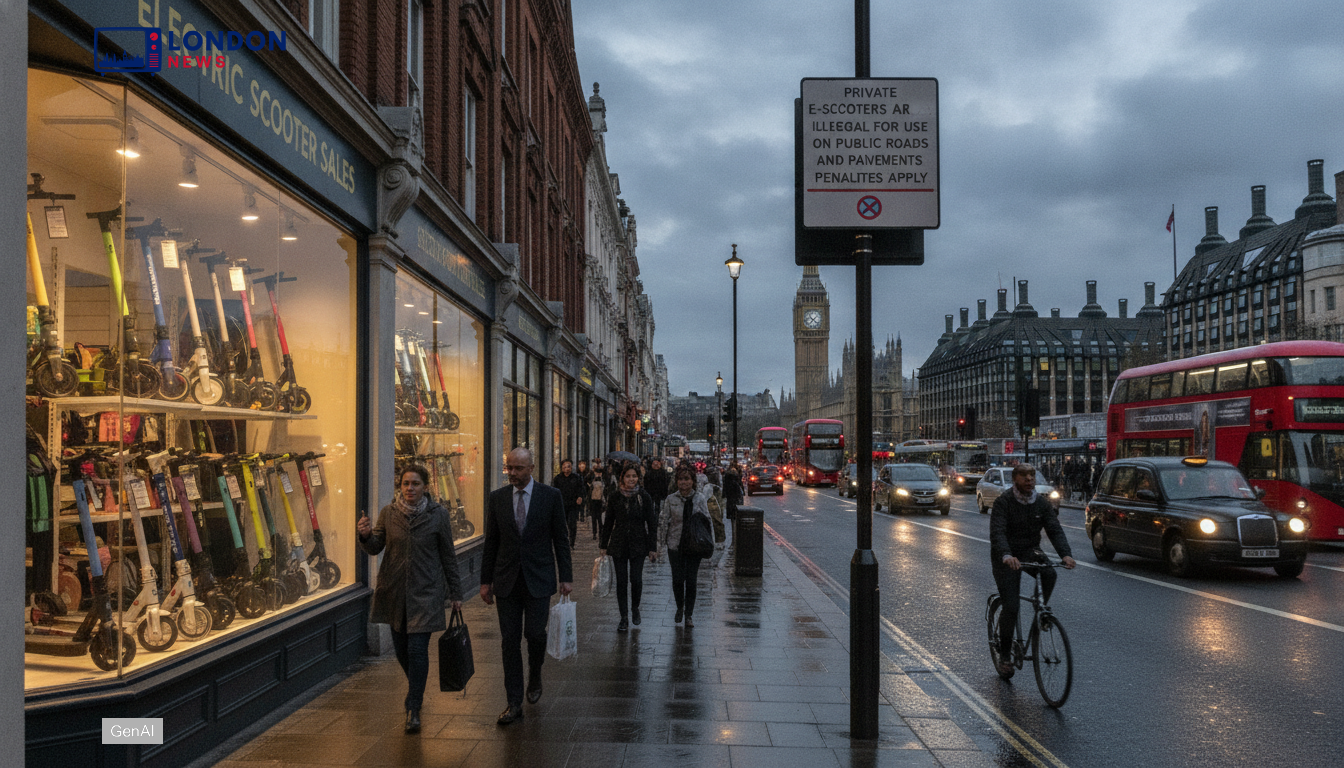
E-scooters UK ban: what’s the reality?
The E-scooters UK ban may feel like a minor annoyance for most riders, but online listings still promote private e-scooters as the commuter’s best friend. Department for Transport guidance says these scooters are not legal on public roads, pavements, or cycle lanes. Using them legally is generally limited to private land with the owner’s nod. Only government-approved rental trials can make a public appearance legally. This gap between marketing and legality can lead to complaints. Shoppers could think a “commute-ready” sticker means they’re free to roll. But don’t be fooled. Enforcement varies, so an unlawful commute could seem just fine until the police step in with a fine or confiscation.
Retailers and the tall tales of commuter scooters
Retailers pitch scooters as commuting wonders, focusing on their range and portability. The legality bit? Often hidden in the small print. Some trading standards specialists suggest this could mislead. Transport sellers use bold claims to grab attention. For example, ESCO launches Torres Vedras tech center for computing shows how striking headlines change perceptions. The E-scooters UK ban does make an appearance in these listings, but it’s often overshadowed by the commuting claims. According to reports like TechCrunch’s on Lime’s $167M IPO, commercial interest can rush ahead of rules.
Enforcement reality leaves buyers puzzled
In London, some consumer groups report that buyers face frustration when they realise their commuter dream isn’t fully legal. Reviews and complaints often mention the E-scooters UK ban, with stories of warnings or confiscations after leisurely rides to work. City transport teams argue this confuses matters, making legitimate rental schemes less clear. Refer to UK politics: Starmer and Home Secretary clash deepens for insights into how enforcement priorities can turn political. Retailers claim they provide compliance notes, but legal experts insist national rules hold the key, not local variations.
Safety: the other side of the argument
While some chat about legality, others focus on safety. Emergency services and police warn that speedy devices mixing with pedestrians and cars on roads spell danger. Especially if riders skip helmets or lights. Advocates for stricter measures argue current restrictions highlight mismatches between these gadgets and public road criteria. For context on public safety debates, see UK energy prices rise again as Ofgem cap resets. Retailers promote advanced braking and tyres, yet safety experts highlight rider behaviour and road conditions as crucial elements.
What’s on the horizon for commuters?
There’s talk of potential clarification from ministers on whether the future holds legalisation or continued restrictions. Unresolved rules could lead to a grey market where retailers gain while authorities handle disputes. Industry voices point out that any new regulations would need construction standards, speed restrictions, insurance, and guidance on where scooters can actually go. Consumer advocates call for bolder legal information at sales points. Until the law shifts, it’s wise to approach commuting adverts carefully. The E-scooters UK ban is not just a loose warning. Always follow Department for Transport guidance beforehand.